

Apio
How to recognize and combat black gall or prodenia on celery
Black Donut Or Prodenia
Insect
Type:
Risk to the plant:
HIGH
Spodoptera Littoralis
Pathogen:

Orugas o gusanos


WHO CAUSES IT?
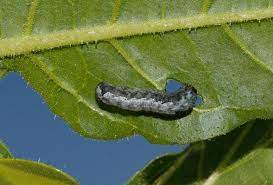
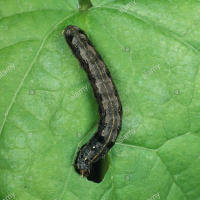
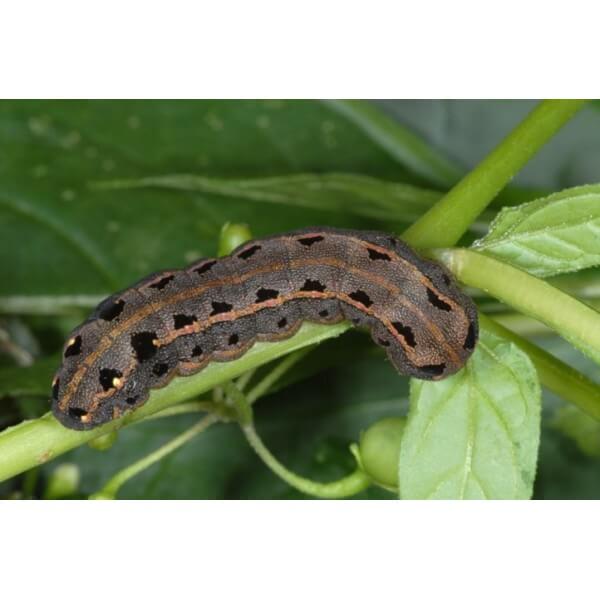
Spodoptera littoralis, known as the black donut or prodenia, is a lepidopteran of the Noctuidae family that causes significant damage to various cultivated plants, including celery. This insect goes through four stages of development: egg, larva, pupa and adult. Adult females lay their eggs in groups on the leaves, which hatch in a few days. The young larvae are light green with dark bands and go through several molts, increasing in size and changing their color as they grow. In the larval phase, which can last between two to three weeks, the larvae feed intensively on the foliage and other tender parts of the plant. Later, the mature larvae descend to the ground to pupate in a silk cocoon mixed with soil particles. After a pupation period that varies depending on temperature, the adults emerge, completing the cycle and giving rise to several generations per year in favorable climates.
.png)
SYMPTOMS
The disease caused by Spodoptera littoralis in celery, known as black donut or prodenia, manifests itself through direct damage to the aerial parts of the plant. The larvae feed voraciously on the leaves, stems and, occasionally, roots, compromising the integrity and yield of the crop. The first signs of infestation are small holes in the leaves that progress to larger holes and severe damage to plant tissue. As the infestation progresses, plants may experience significant defoliation, affecting their photosynthetic capacity and overall vigor.
- Small perforations on the leaves.
- Large holes in the leaves.
- Severe damage to plant tissue.
- Significant defoliation.
- Reduction of photosynthetic capacity.
- Decrease in the general vigor of the plants.


DEVELOPMENT CONDITIONS
Temperature:
18-30°C
Humidity:
70-90%

HOW IS IT SPREAD?
Direct contact, Wind, Contaminated plant material, Agricultural machinery, Dispersion of adults, Transport of infected plants

HOW TO ELIMINATE IT?
Home treatments
There are no home treatments
Natural allies
Chemical treatments
There are no treatments for this disease. Treatments are directed at the insect vectors that transmit it. See insect treatments.
RECOMMENDED PRODUCTS TO ELIMINATE THE PEST
Sponsored link

Sponsored link


Sponsored link
Sponsored link
Sponsored link


Sponsored link
Sponsored link
Effective against all types of fungi

Sponsored link


Sponsored link
Sponsored link

Sponsored link


Sponsored link

REPELLENT PLANTS

RECOMMENDATIONS
OTHER PESTS THAT MAY INTEREST YOU


DID YOU LIKE IT?
Now you can always have it on your mobile, without ads and totally FREE. TRY idMicrobe NOW!


