

Frambuesa
How to recognize and combat yellow rust in raspberries
Yellow Rust
Fungus
Type:
Risk to the plant:
HIGH
Pucciniastrum Americanum
Pathogen:
Royas


WHO CAUSES IT?
Pucciniastrum americanum is a pathogenic fungus responsible for rust in raspberries. This fungus has a complex cycle involving two different hosts: raspberry plants and conifers such as Douglas fir. The spores of the fungus, known as urediniospores, disperse in the air and land on raspberry leaves, where they germinate and penetrate through the stomata. During infection, the fungus produces specialized structures called uredinia on raspberry leaves, where more spores are generated that can spread to other plants. In late summer and fall, the fungus forms teliospores on infected leaves, which then fall to the ground and can infect Douglas fir needles, completing the cycle. This process allows the fungus to survive and spread in different seasons and environmental conditions.
.png)
SYMPTOMS
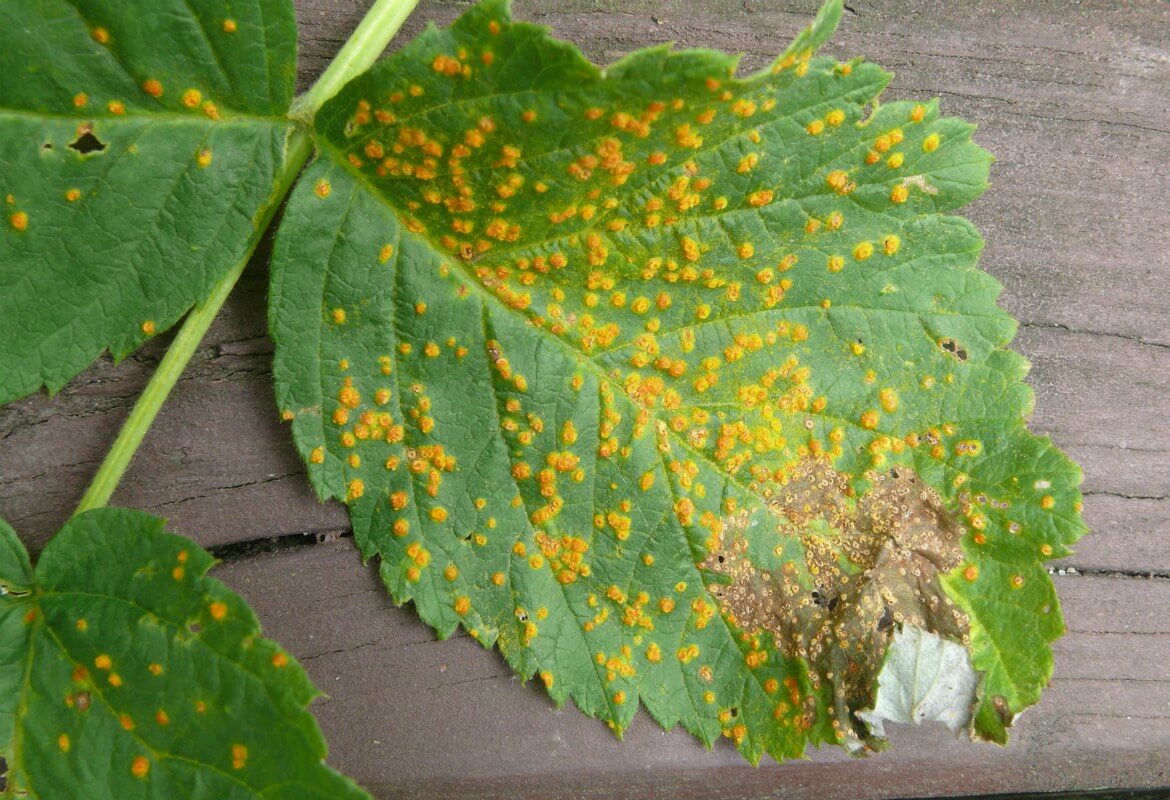
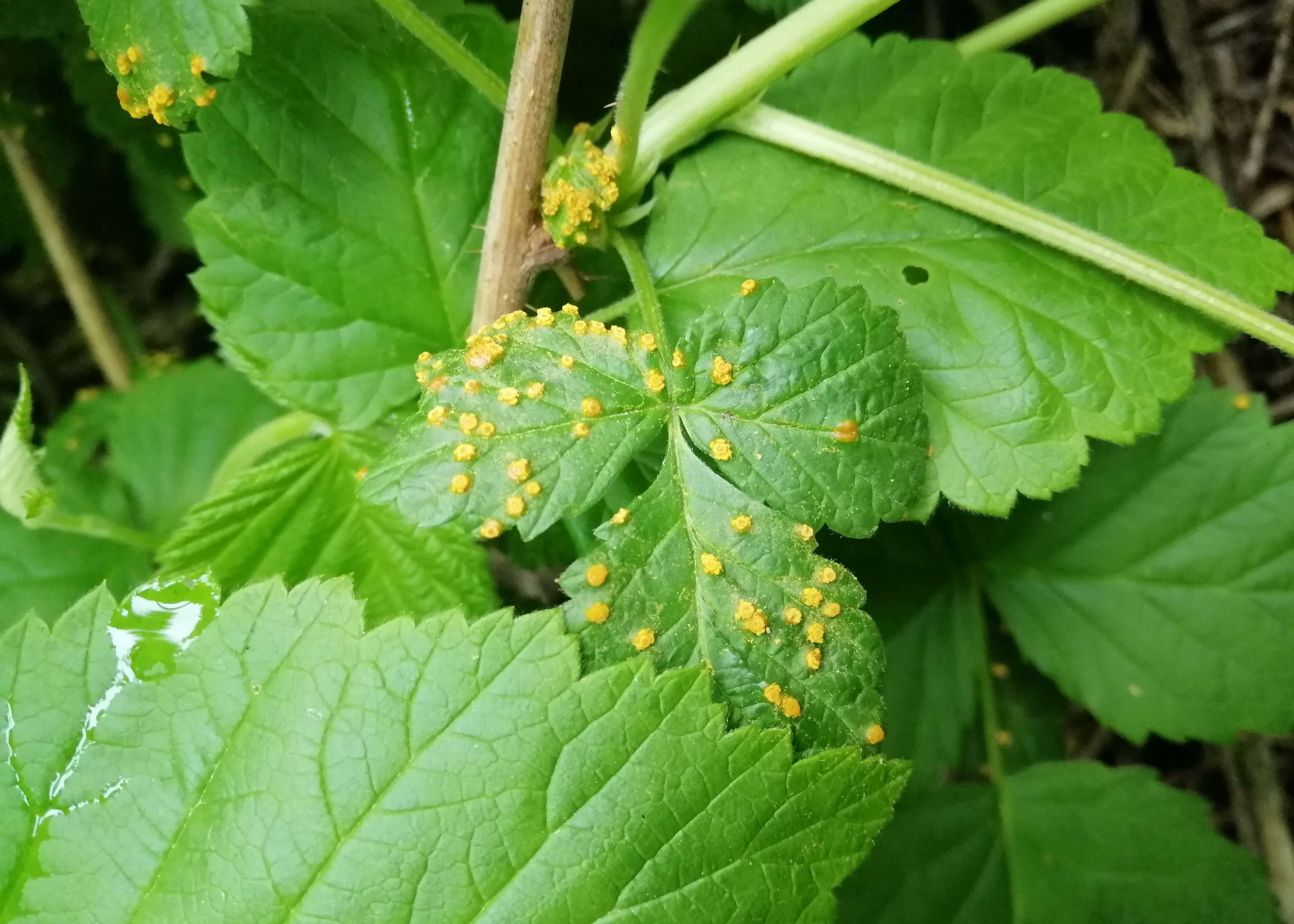
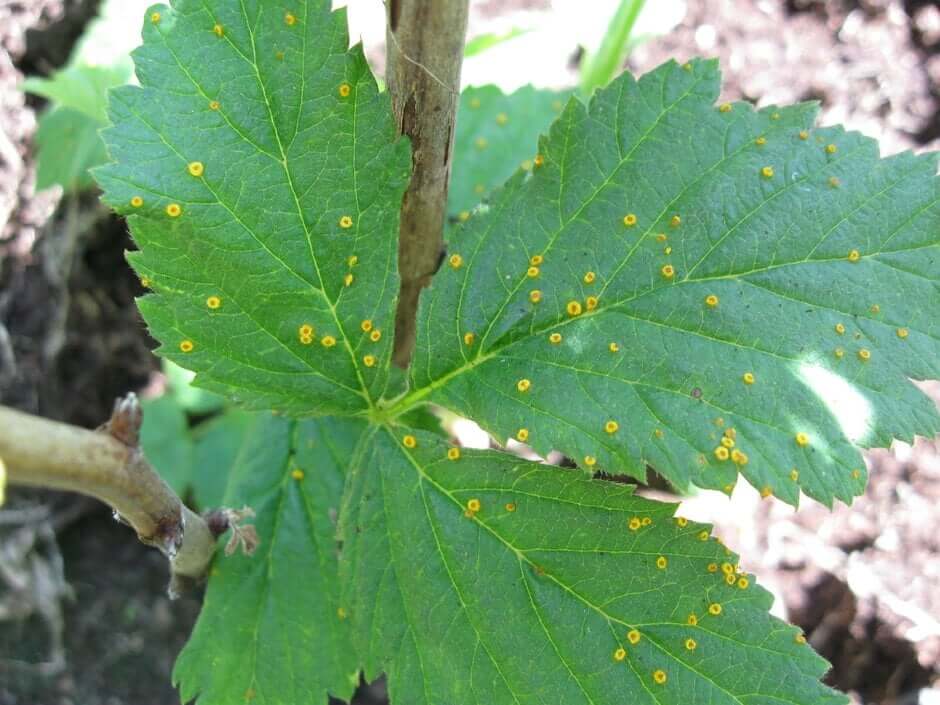
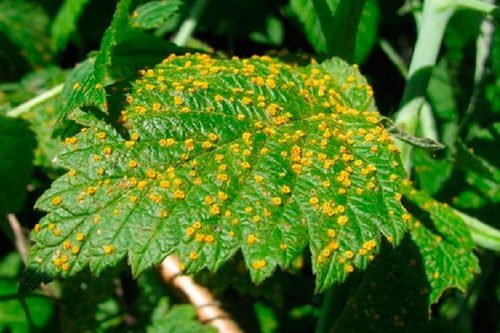
Infection of Pucciniastrum americanum in raspberries results in the disease known as rust, which mainly affects the leaves, but can spread to other parts of the plant. Symptoms include the appearance of yellow Taches on the leaves, which eventually develop orange or brown pustules on the underside. These pustules contain the spores of the fungus that are released into the environment, facilitating the spread of the disease. Rust can weaken raspberry plants, reducing photosynthesis and, therefore, the productivity and quality of the fruits.
- Yellow Taches on the leaves.
- Orange or brown pustules on the underside of the leaves.
- Premature fall of leaves.
- Reduction in plant growth and vigor.
- Decrease in the production and quality of the fruits.
- General weakening of the plant.


DEVELOPMENT CONDITIONS
Temperature:
15°C - 25°C
Humidity:
80% - 90%

HOW IS IT SPREAD?
Wind, direct contact between plants, contaminated growing tools, workers' clothing and hands, infected planting material

HOW TO ELIMINATE IT?
Home treatments
There are no home treatments
Natural allies
Chemical treatments
There are no treatments for this disease. Treatments are directed at the insect vectors that transmit it. See insect treatments.
RECOMMENDED PRODUCTS TO ELIMINATE THE PEST
Sponsored link

Sponsored link


Sponsored link
Sponsored link
Sponsored link


Sponsored link
Sponsored link
Effective against all types of fungi

Sponsored link


Sponsored link
Sponsored link

Sponsored link


Sponsored link

REPELLENT PLANTS

RECOMMENDATIONS
OTHER PESTS THAT MAY INTEREST YOU


DID YOU LIKE IT?
Now you can always have it on your mobile, without ads and totally FREE. TRY idMicrobe NOW!


