

Ácaros
Red Berry Mite
Acalitus Sp.
Pathogen:
Insect
Type:
Risk to the plant:
INTERMEDIATE
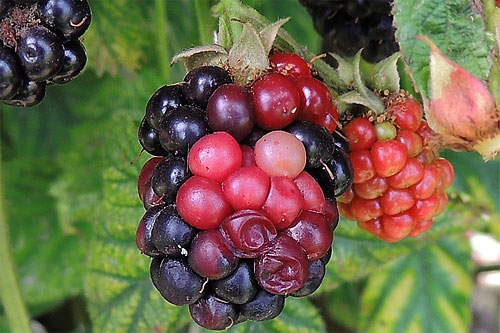
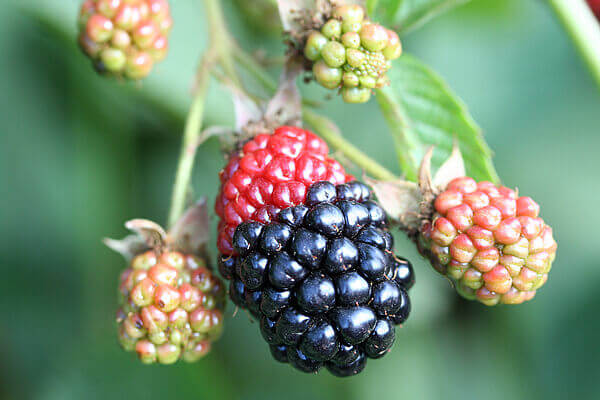

DESCRIPTION
WHO CAUSES IT?
Acalitus sp. is a microscopic mite belonging to the family Eriophyidae, known to cause "berry red" in several species of berries. These mites are extremely small in size, making them difficult to detect with the naked eye. Its life cycle includes several stages, beginning with eggs, which are laid on the surfaces of leaves and young shoots. After hatching, the larvae emerge and feed on plant tissue, causing significant damage. The larvae go through several molts before reaching the adult stage. Adults are extremely mobile and can move quickly to new areas of the plant, continuing to feed and reproduce. This process is repeated several times during the growing season, allowing rapid proliferation of the mite under favorable conditions.
SYMPTOMS
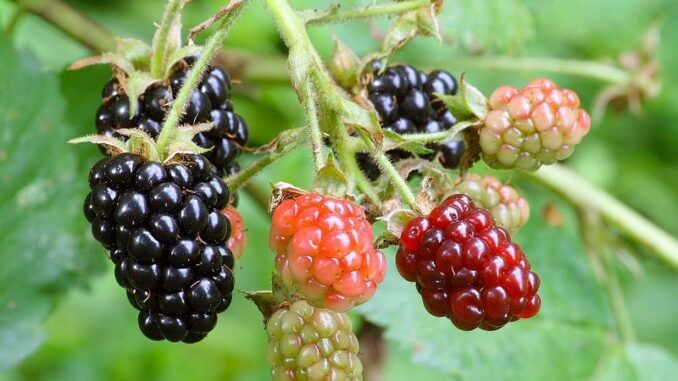
The red berry mite, caused by Acalitus sp., mainly affects the leaves and shoots of berries, causing deformations and discolorations that affect the quality and yield of the crop. The first symptoms appear as a change in the color of the leaves, which acquire a characteristic reddish tone. As the infestation progresses, deformations are observed in the shoots and leaves, accompanied by abnormal growth and general weakening of the plant.
- Leaves with reddish discoloration.
- Deformations in shoots and leaves.
- Abnormal growth of the plant.
- General weakening of the plant.
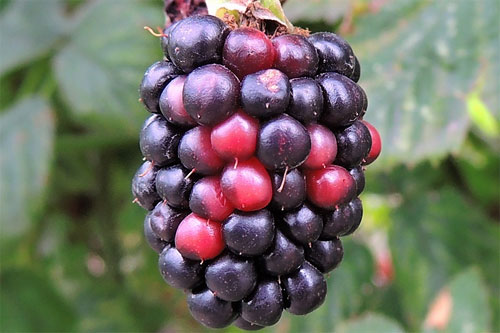
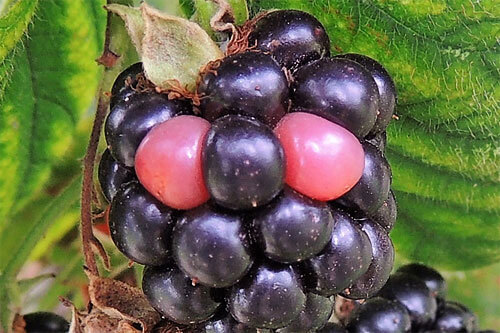
- Reduction in the quality and quantity of fruits.
- Appearance of fine cobwebs on the surface of the leaves.

TEMPERATURE AND HUMIDITY
20°C - 30°C
70% - 90%

HOW IS IT SPREAD?
Wind, insect vectors, contaminated tools, direct contact between plants, transport of infected plant material

HOW TO REMOVE IT?
Home remedies
There are no home treatments
Chemical treatments
• ORANGE OIL 60g/L [ME] P/S
• PARAFFIN OIL (CAS [8042-47-5]) 54.6% [EW] P/V
• PARAFFIN OIL (CAS [97862-82-3]) 40% [EW] P/V
• SULFUR 70% [SC] P/V
• SULFUR 72% [SC] P/V
• SULFUR 80% [SC] P/V
• SULFUR 80% [WG] P/P
• LAMBDA CYHALOTHRIN 10% [CS] P/V
• MALTODEXTRIN 47.6% [SL] P/V
• MALTODEXTRIN 59.8% [SL] P/V
• POTASSIUM SALTS OF FATTY ACIDS C14-C20 48% [EW] P/V
• SPIROTETRAMAT 10% [SC] P/V
Authorized treatments in organic farming
• ORANGE OIL 60g/L [ME] P/S
• PARAFFIN OIL (CAS [8042-47-5]) 54.6% [EW] P/V
• PARAFFIN OIL (CAS [97862-82-3]) 40% [EW] P/V
• SULFUR 70% [SC] P/V
• SULFUR 72% [SC] P/V
• SULFUR 80% [SC] P/V
• SULFUR 80% [WG] P/P
• LAMBDA CYHALOTHRIN 10% [CS] P/V
• MALTODEXTRIN 47.6% [SL] P/V
• POTASSIUM SALTS OF FATTY ACIDS C14-C20 48% [EW] P/V
Insect allies
PREDATORY MITES
LADYBUGS
LACEWINGS
PARASITIC WASPS
HOVERFLIES OR PARASITIC FLIES
PREDATORY BUGS
There are no natural allies
Mycodiplosis oidii (predatory mosquito)
EFFECTIVE PRODUCTS TO ELIMINATE THIS DISEASE
Sponsored link

Sponsored link


Sponsored link
Sponsored link
Sponsored link


Sponsored link
Sponsored link
Effective against all types of fungi

Sponsored link


Sponsored link
Sponsored link

Sponsored link


Sponsored link
- Implement constant monitoring of the crop to detect the presence of the mite early.
- Use cultivars that are resistant or less susceptible to attack by Acalitus sp.
- Carry out regular pruning to eliminate infected shoots and leaves, reducing the mite inoculum.
- Maintain adequate ventilation in the crop, avoiding high humidity conditions that favor the proliferation of the mite.
- Apply specific acaricides following the technical recommendations and established treatment thresholds.
- Introduce natural enemies of the mite, such as predatory mites, to keep Acalitus sp populations under control.
- Avoid excessive use of nitrogen fertilizers, which can promote the growth of tender shoots that are attractive to the mite.
- Carry out an appropriate crop rotation to reduce mite pressure in the same area year after year.
- Disinfect work tools and equipment to prevent the spread of the mite between plants and plots.
Recommendations

Enjoy idMicrobe TOTALLY FREE, with no trial periods.


