

Antracnosis
Anthracnose
Colletotrichum Sp.
Pathogen:
Fungus
Type:
Risk to the plant:
HIGH

DESCRIPTION
WHO CAUSES IT?
Colletotrichum sp. is a genus of phytopathogenic fungi that includes numerous species responsible for diseases in a wide variety of plants, including corn. These fungi produce spores that can be dispersed by wind, rain, and contaminated agricultural tools. The spores germinate in favorable conditions of humidity and temperature, developing infection structures called appressoria that allow the fungus to penetrate the plant tissues. Once inside, the fungus colonizes the host's cells, forming necrosis and tissue lesions. During the advanced stages of infection, the fungus produces reproductive structures called acervuli, which release new spores to start the infectious cycle in other plants. Colletotrichum sp. It can survive on crop remains and infected seeds, which facilitates its spread and persistence in agricultural fields.
SYMPTOMS
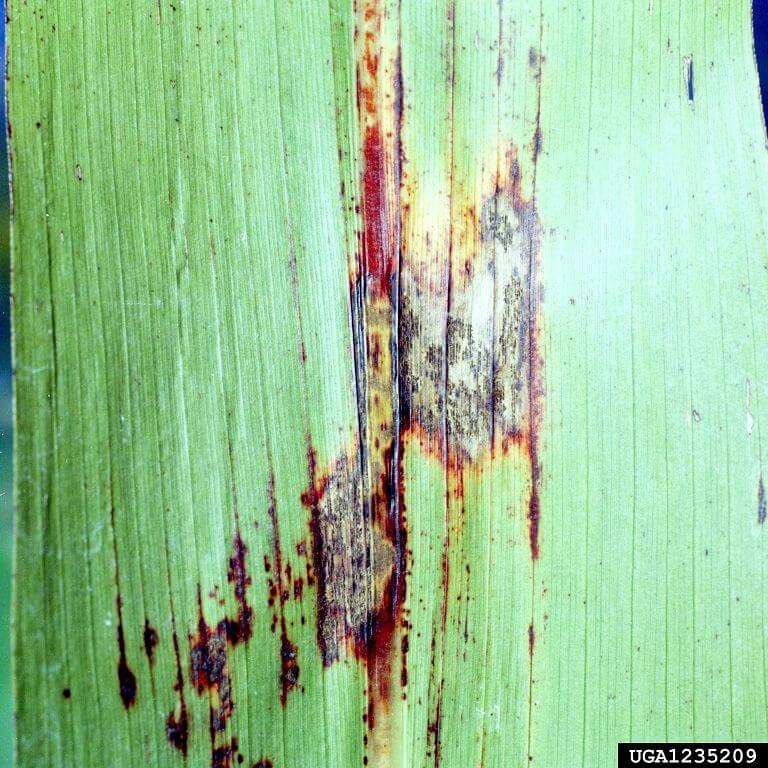
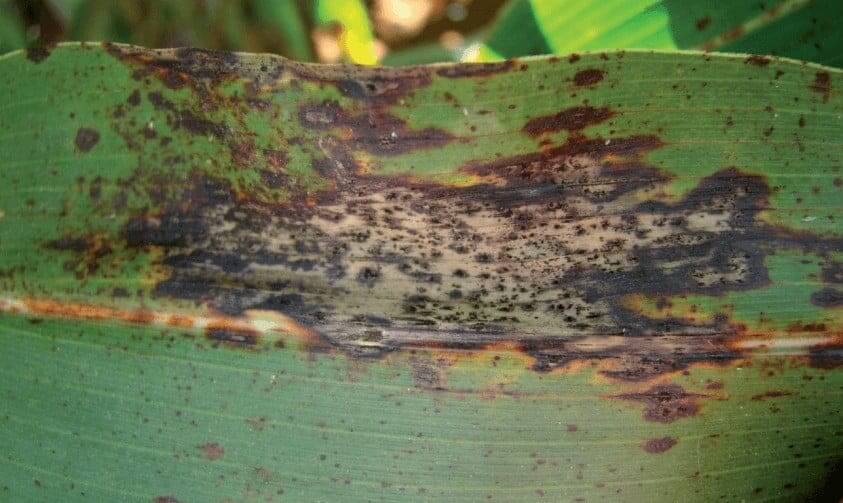
Anthracnose caused by Colletotrichum sp. In corn it is a devastating disease that affects both the leaves, stems and ears of the crop. Symptoms include lesions on leaves and stems that can lead to a significant reduction in photosynthesis and therefore crop yield.
- Dark brown to black necrotic Taches on the leaves.
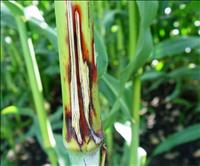
- Stretch marks and elongated lesions on the stems.
- Rot of the ears.
- Wear and fragility of the stems, causing the plants to overturn.
- Discoloration and wilting of the leaves.
- Formation of visible acervules in the lesions, which contain spores of the fungus.
- Reduction in the size and quality of grains.


TEMPERATURE AND HUMIDITY
20°C - 30°C
80% - 100%

HOW IS IT SPREAD?
Wind, rain, contaminated agricultural tools, infected seeds, infected crop remains

HOW TO REMOVE IT?
Home remedies
There are no home treatments
Chemical treatments
• AZOXISTROBIN 25% [SC] P/V
Authorized treatments in organic farming
-
Insect allies
PREDATORY MITES
LADYBUGS
LACEWINGS
PARASITIC WASPS
HOVERFLIES OR PARASITIC FLIES
PREDATORY BUGS
There are no natural allies
Mycodiplosis oidii (predatory mosquito)
EFFECTIVE PRODUCTS TO ELIMINATE THIS DISEASE
Sponsored link
Sponsored link


Sponsored link
Sponsored link
Sponsored link


Sponsored link
Sponsored link
Effective against all types of fungi

Sponsored link


Sponsored link
Sponsored link

Sponsored link


Sponsored link
- Use corn varieties resistant to Colletotrichum sp.
- Implement crop rotations to reduce the presence of the fungus in the soil.
- Remove and destroy remains of infected crops to prevent the survival of the fungus.
- Avoid sprinkler irrigation that can favor the dispersion of spores.
- Apply preventive fungicides in conditions of high humidity and favorable temperature for the development of the fungus.
- Maintain good separation between plants to improve air circulation and reduce humidity.
- Regularly inspect crops to detect and treat disease symptoms early.
- Use clean cultivation tools and equipment to prevent the spread of the fungus.
Recommendations

Enjoy idMicrobe TOTALLY FREE, with no trial periods.


