

Moho blanco
Armillaria, root rot or white root disease: what it is, how it originates, and how to eliminate it effectively.
Armillaria, Root Rot Or White Root Rot
Armillaria Mellea
Pathogen:
Fungus
Type:
Risk to the plant:
HIGH

DESCRIPTION
WHO CAUSES IT?
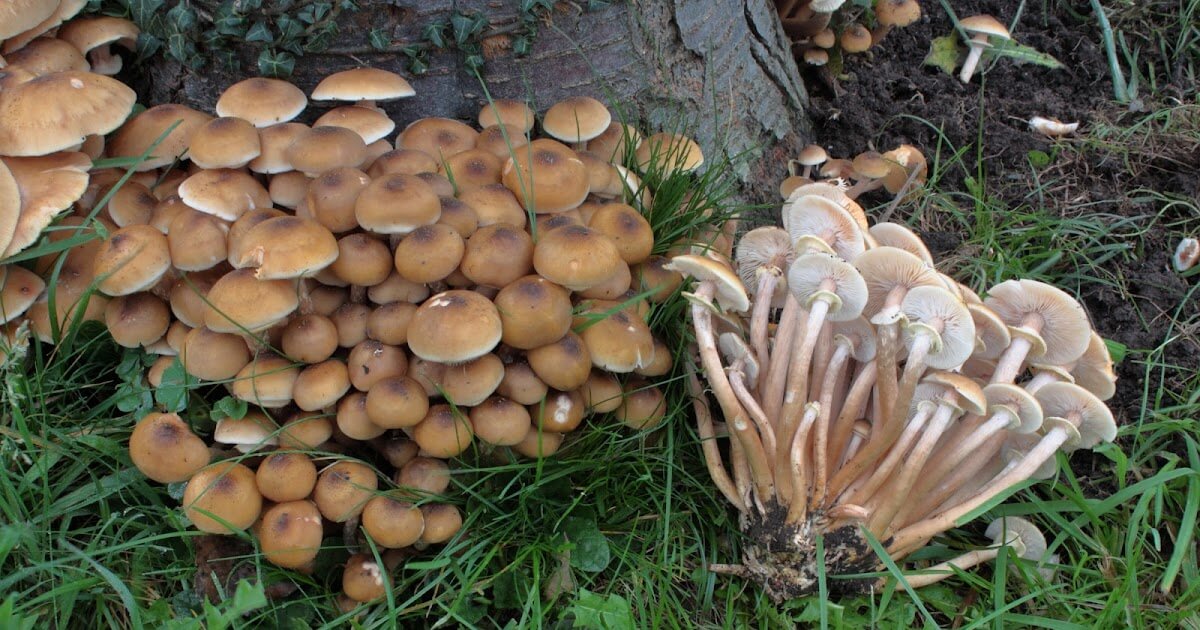
Armillaria mellea is a pathogenic fungus that mainly affects pome fruit trees, among other crops. This fungus has the ability to survive for long periods in the soil and in dead root remains. It produces mycelial structures called rhizomorphs, which are thick, dark hyphae, capable of spreading in the soil in search of living roots to infect. When it finds a susceptible root, the fungus penetrates it, breaking down tissues and extracting nutrients. Under favorable conditions, Armillaria mellea can also produce fruiting bodies or setae, which emerge from the soil or the base of infected trunks, dispersing spores into the environment. These spores can germinate and form new fungal colonies if the humidity and temperature conditions are adequate. Additionally, the fungus can persist in its rhizomorph state for years, waiting for optimal conditions to attack new plants.
SYMPTOMS
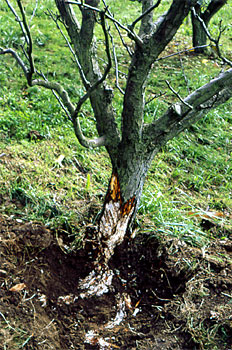
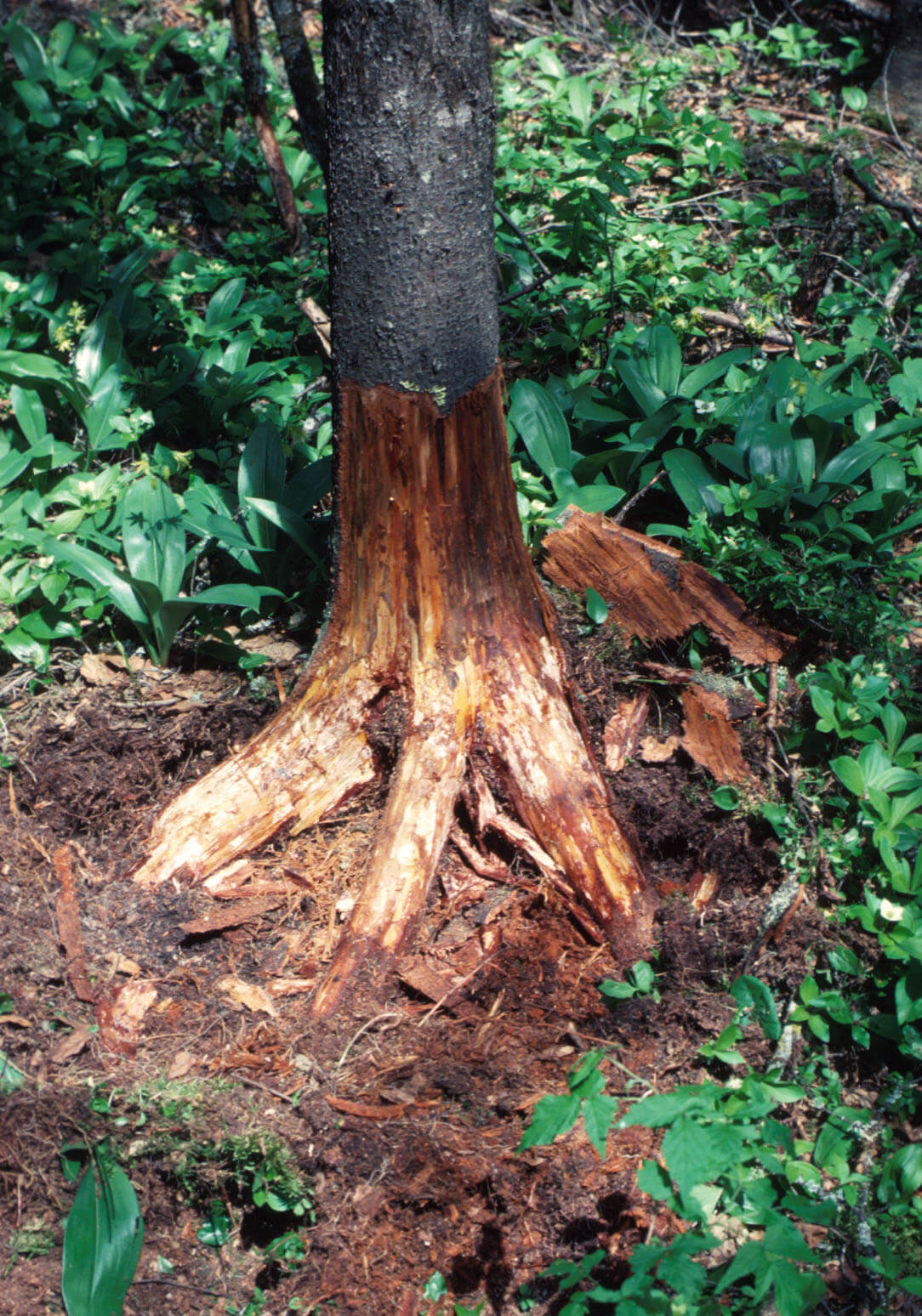
The disease caused by Armillaria mellea, known as armillaria, root rot or root white disease, causes a series of symptoms in pome fruit trees that can seriously compromise the health and productivity of the plants. The fungus invades and decomposes root tissues, preventing the absorption of water and nutrients.
- Withering of leaves
- Leaf discoloration and chlorosis
- Reduction in vegetative growth
- Dieback of branches and shoots
- Formation of resinous exudates at the base of the trunk
- Appearance of mushrooms at the base of the tree in autumn
- Loss of general vigor of the plant
- Death of the plant in severe cases


TEMPERATURE AND HUMIDITY
20-25°C
70-90%

HOW IS IT SPREAD?
Rhizomorphs in soil, infected plant remains, airborne spores, contaminated tools, root-to-root contact

HOW TO REMOVE IT?
Home remedies
There are no home treatments
Chemical treatments
-
Authorized treatments in organic farming
-
Insect allies
PREDATORY MITES
LADYBUGS
LACEWINGS
PARASITIC WASPS
HOVERFLIES OR PARASITIC FLIES
PREDATORY BUGS
There are no natural allies
Mycodiplosis oidii (predatory mosquito)
EFFECTIVE PRODUCTS TO ELIMINATE THIS DISEASE
Sponsored link
Sponsored link


Sponsored link
Sponsored link
Sponsored link


Sponsored link
Sponsored link
Effective against all types of fungi

Sponsored link


Sponsored link
Sponsored link

Sponsored link


Sponsored link
- Carry out regular inspections of the plants' root system to detect early signs of infection.
- Avoid excess moisture in the soil through good drainage and correct irrigation planning.
- Remove and destroy infected plants, including all roots, to prevent the spread of the fungus.
- Disinfect pruning and work tools with appropriate solutions to prevent the spread of spores and rhizomorphs.
- Use rootstocks of fruit trees resistant or tolerant to Armillaria mellea.
- Maintain an adequate distance between plants to reduce the possibility of contagion by rhizomorphs.
- Apply specific fungicides in the root zone, following the technical and safety instructions.
- Implement cultural practices that improve the overall health of plants, such as adequate fertilization and management of plant cover.
- Avoid injuries to the roots and base of the trunk during agricultural work.
- Promote adequate crop rotation to reduce the presence of inoculum in the soil.
Recommendations

Enjoy idMicrobe TOTALLY FREE, with no trial periods.


