

Micosis/Hongos
Black Onion Mold
Aspergillus Niger
Pathogen:
Fungus
Type:
Risk to the plant:
MILD


DESCRIPTION
WHO CAUSES IT?
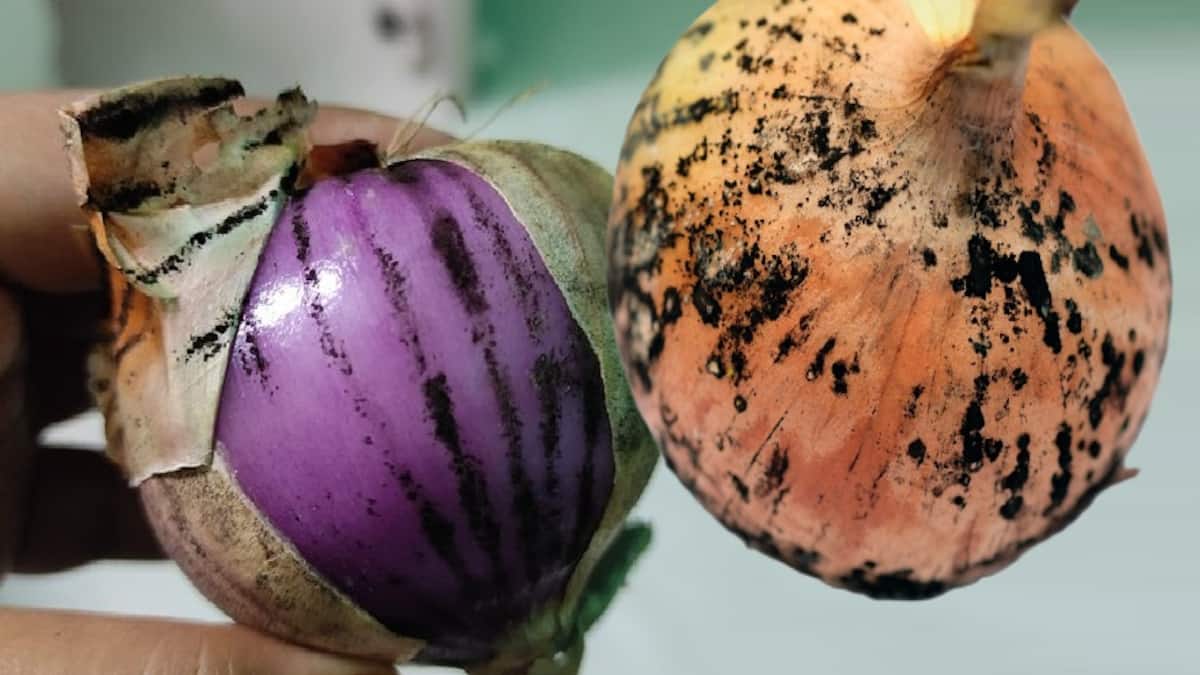
Aspergillus niger is a fungus that can cause the disease known as black mold on onions. It is a cosmopolitan fungus found throughout the world and is known for its ability to produce black spores that can survive in harsh conditions. The fungus can grow on a wide variety of substrates, including soil and plant debris, and is easily spread by air, water, and contact with contaminated surfaces. During its growth, A. niger produces sporulation structures called conidiophores, which release spores to infect new plants and substrates. Infection caused by Aspergillus niger is especially problematic postharvest, during storage.
SYMPTOMS
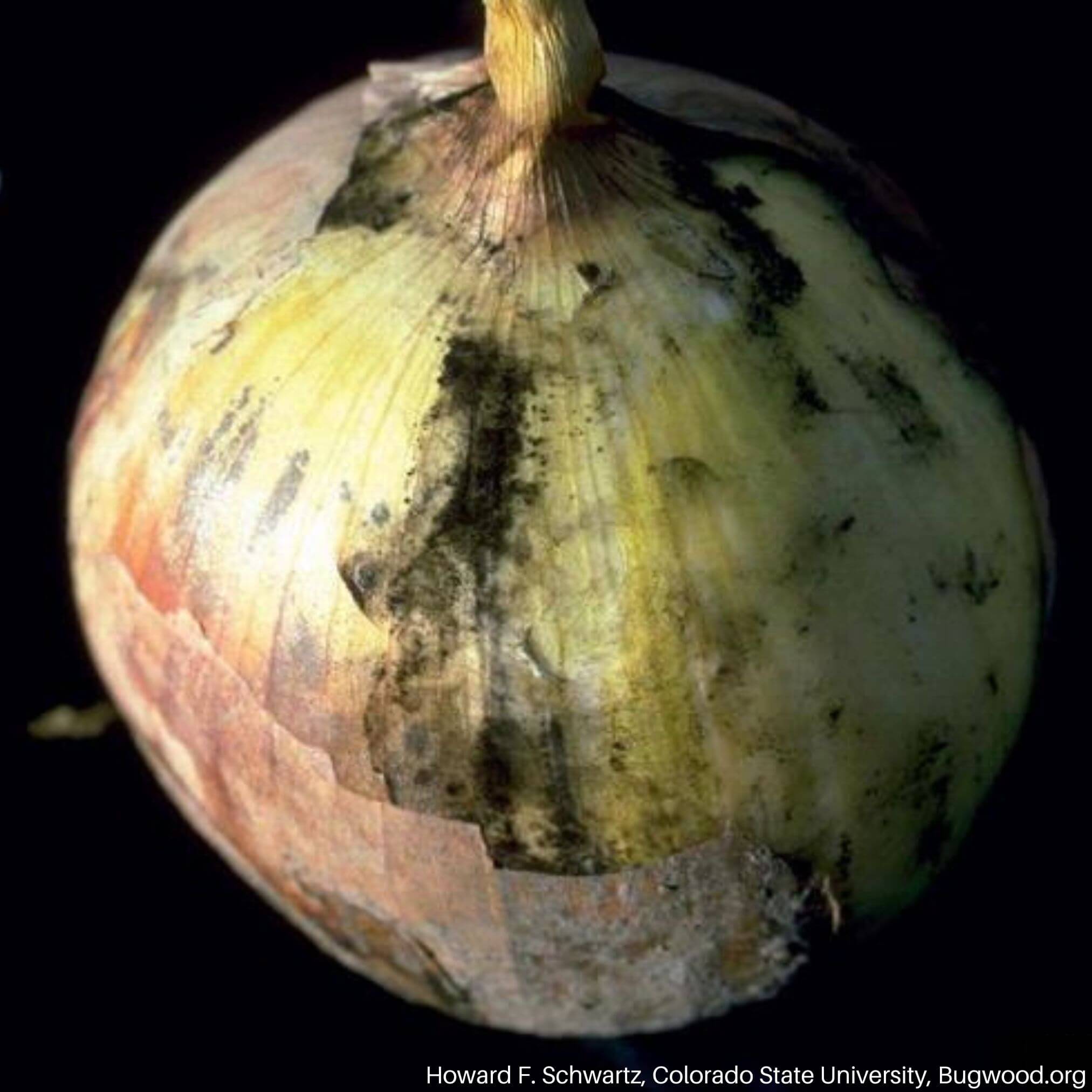
Black mold caused by Aspergillus niger on onions causes a number of symptoms including dark or black Taches on the bulbs and leaves. Infected bulbs may become mushy and emit an unpleasant odor, which can lead to significant losses in crop quality and quantity.
• Black or brown Taches on bulbs and leaves.
• Soft and decomposed bulbs, which emit an unpleasant odor.
• Decrease in the quality and quantity of the harvest.
• Injuries to the roots and aerial parts of the plant.


TEMPERATURE AND HUMIDITY
20 ºC - 30ºC
80% - 100%

HOW IS IT SPREAD?
Air, water, remains of infected plants, contact with contaminated tools.

HOW TO REMOVE IT?
Home remedies
There are no home treatments
Chemical treatments
• CIPRODINIL 37.5% + FLUDIOXONIL 25% [WG] P/P
Authorized treatments in organic farming
-
Insect allies
PREDATORY MITES
LADYBUGS
LACEWINGS
PARASITIC WASPS
HOVERFLIES OR PARASITIC FLIES
PREDATORY BUGS
There are no natural allies
Mycodiplosis oidii (predatory mosquito)
EFFECTIVE PRODUCTS TO ELIMINATE THIS DISEASE
Sponsored link
Sponsored link


Sponsored link
Sponsored link
Sponsored link


Sponsored link
Sponsored link
Effective against all types of fungi

Sponsored link


Sponsored link
Sponsored link

Sponsored link


Sponsored link
To prevent and control black mold on onions, integrated pest and disease management measures should be followed.
• Use fungus-resistant or tolerant onion varieties.
• Practice good crop rotation to reduce pathogen pressure in the soil.
• Ensure that the onions are properly dried after harvesting to prevent the spread of the fungus.
• Store onions in optimal temperature and humidity conditions to prevent black mold.
• Remove and destroy the remains of infected plants to prevent spread.
• Apply appropriate fungicides according to local recommendations to control the fungus.
Recommendations

Enjoy idMicrobe TOTALLY FREE, with no trial periods.


