

Chinches
Bed bugs
Bed bugs
Pathogen:
Insect
Type:
Risk to the plant:
INTERMEDIATE
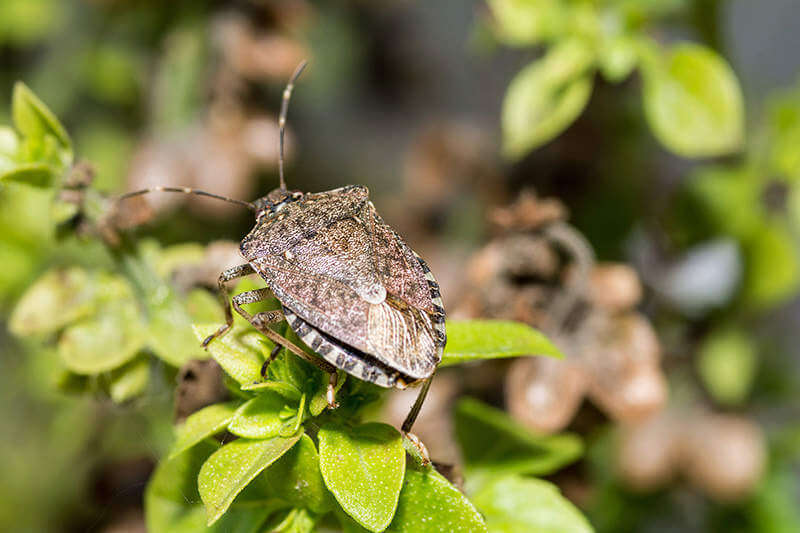
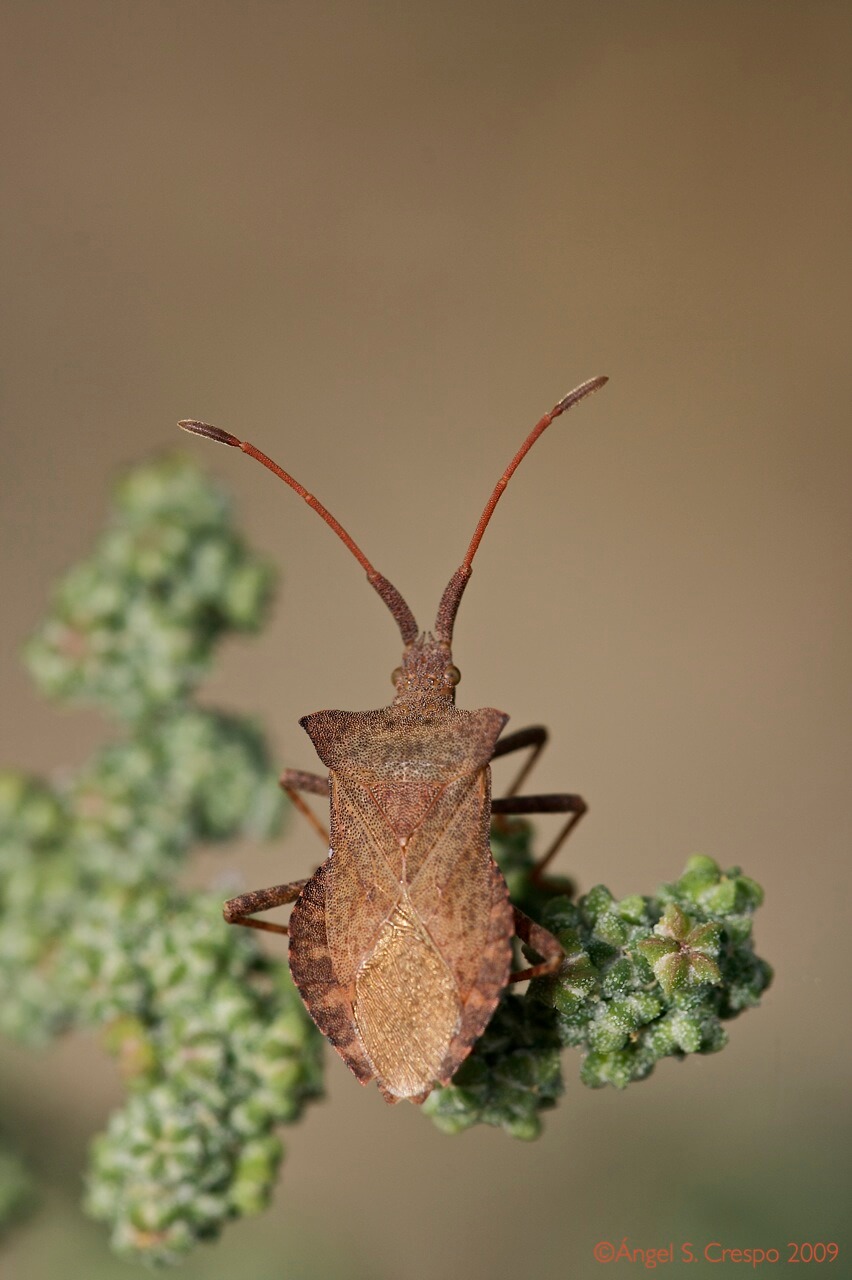

DESCRIPTION
WHO CAUSES IT?
Phytophagous bugs are hemipteran insects that feed on the cellular contents of plants using their biting-sucking mouthparts. They go through hemimetabolous development, that is, without complete metamorphosis. Adult females lay their eggs in groups, generally on the undersides of leaves or on tender stems. After hatching, nymphs emerge and go through several molts until they reach the adult state. During all nymphal stages, bed bugs feed on plant tissues, causing damage from very early stages. Some species complete several generations per year, especially in warm regions where conditions allow their continued development. Their activity increases significantly in dry and hot seasons, and they can actively move in search of hosts, favoring dispersal in crops. Furthermore, their gregarious behavior in some phases favors simultaneous attacks that increase the severity of the damage.
SYMPTOMS
The presence of stink bugs in plants causes direct damage by sucking sap and cellular tissues, as well as indirect damage when they transmit pathogens by acting as vectors. The bites cause an alteration in tissue growth, deformations and localized necrosis, in addition to generating wounds through which other microorganisms can enter. In sensitive crops, its repeated attack compromises the commercial quality of fruits, leaves or seeds.
Dark spots on leaves or fruits due to feeding, deformations in tender shoots, malformed fruits or fruits with sunken areas, localized wilting in young leaves, presence of dark excrements on the affected surfaces, delay in plant growth, necrosis in areas of bite, premature fall of flowers and fruits.


TEMPERATURE AND HUMIDITY
24°C – 34°C
50% – 70%

HOW IS IT SPREAD?
Active movement, wind, contaminated plant material, migration from adjacent areas, transportation of contaminated machinery or tools

HOW TO REMOVE IT?
Home remedies
There are no home treatments
Chemical treatments
• ORANGE OIL 60g/L [ME] P/V
• ACETAMIPRID 20% [SP] P/P
• AZADIRACTIN 1% (AS AZADIRACTIN A) [EC] P/V
• CYPERMETHRIN 50% [EC] P/V
• DELTAMETHRIN 1.5% [EW] P/V
• DELTAMETHRIN 1.57% [SC] P/V
• DELTAMETHRIN 10% [EC] P/V
• DELTAMETHRIN 2.5% [EC] P/V
• DELTAMETHRIN 2.5% [EW] P/V
• ESFENVALERATE 2.5% [EC] P/V
• LAMBDA CYHALOTHRIN 0.0015% [ME] P/V
• LAMBDA CYHALOTHRIN 1.5% [CS] P/V
• LAMBDA CYHALOTHRIN 10% [CS] P/V
• LAMBDA CYHALOTHRIN 5% [EG] P/P
• POTASSIUM SALTS OF VEGETABLE FATTY ACIDS 13.04% [SL] P/V
• SULFOXAFLOR 12% [SC] P/V
• TAU-FLUVALINATE 24% [EW] P/V
Authorized treatments in organic farming
• ORANGE OIL 60g/L [ME] P/V
• AZADIRACTIN 1% (AS AZADIRACTIN A) [EC] P/V
• LAMBDA CYHALOTHRIN 0.0015% [ME] P/V
• LAMBDA CYHALOTHRIN 1.5% [CS] P/V
• LAMBDA CYHALOTHRIN 10% [CS] P/V
• LAMBDA CYHALOTHRIN 5% [EG] P/P
• POTASSIUM SALTS OF VEGETABLE FATTY ACIDS 13.04% [SL] P/V
Insect allies
PREDATORY MITES
LADYBUGS
LACEWINGS
PARASITIC WASPS
HOVERFLIES OR PARASITIC FLIES
PREDATORY BUGS
There are no natural allies
Mycodiplosis oidii (predatory mosquito)
EFFECTIVE PRODUCTS TO ELIMINATE THIS DISEASE
Sponsored link
Sponsored link


Sponsored link
Sponsored link
Sponsored link


Sponsored link
Sponsored link
Effective against all types of fungi

Sponsored link


Sponsored link
Sponsored link

Sponsored link


Sponsored link
Manually remove eggs and nymphs in small cultures.
Use color traps or pheromone traps for monitoring and capture.
Encourage the presence of natural enemies such as parasitoid wasps and spiders.
Avoid excessive use of broad-spectrum insecticides that affect beneficial fauna.
Implement physical barriers or meshes in crops of high economic value.
Keep the edges of the crop free of weeds and plant debris where they can take refuge.
Carry out frequent monitoring during the vegetative and reproductive development stages of the crop.
Rotate crops and avoid planting sensitive species in continuous sequence.
Apply specific insecticides with systemic or contact action only when damage thresholds are exceeded.
Make associations of crops that repel or disorient bed bugs, such as the use of trap plants.
Recommendations

Enjoy idMicrobe TOTALLY FREE, with no trial periods.


