


Micosis/Hongos
Screening or shotgun blast: what it is, how it occurs, and how to eliminate it effectively
Screening Or Pelleting
Wilsonomyces Carpophilus
Pathogen:
Fungus
Type:
Risk to the plant:
MILD

DESCRIPTION
WHO CAUSES IT?
Wilsonomyces carpophilus is a fungal pathogen that affects several fruit crops, including apricots. It is characterized by its ability to survive in unfavorable conditions, since it can overwinter in plant remains or in the soil. This pathogen produces spores that spread easily by wind and water, infecting new plants. It can also survive on other host plants, expanding its range of infestation. Its life cycle depends on environmental factors, such as temperature and humidity, which affect its spread and virulence.
SYMPTOMS
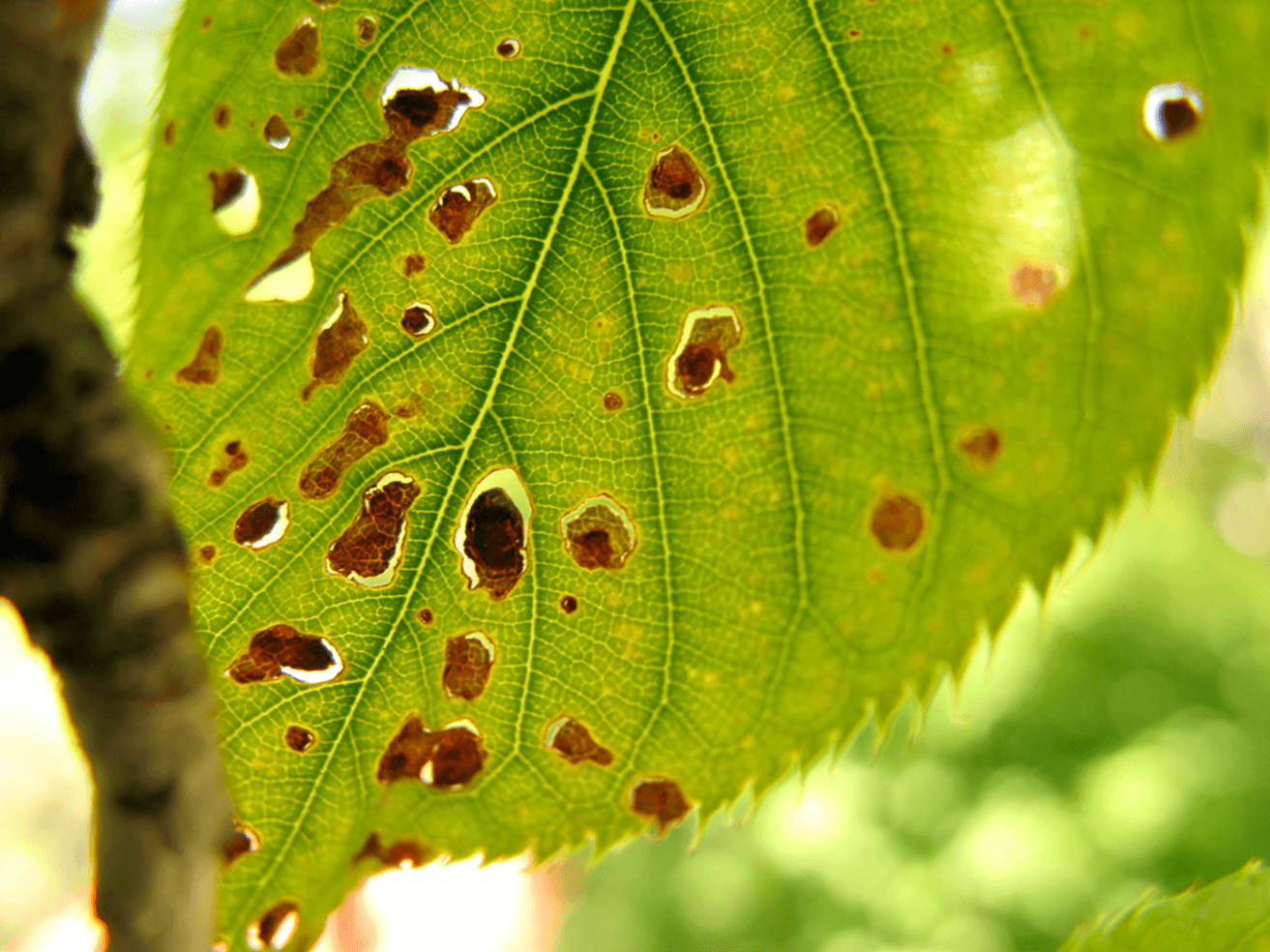
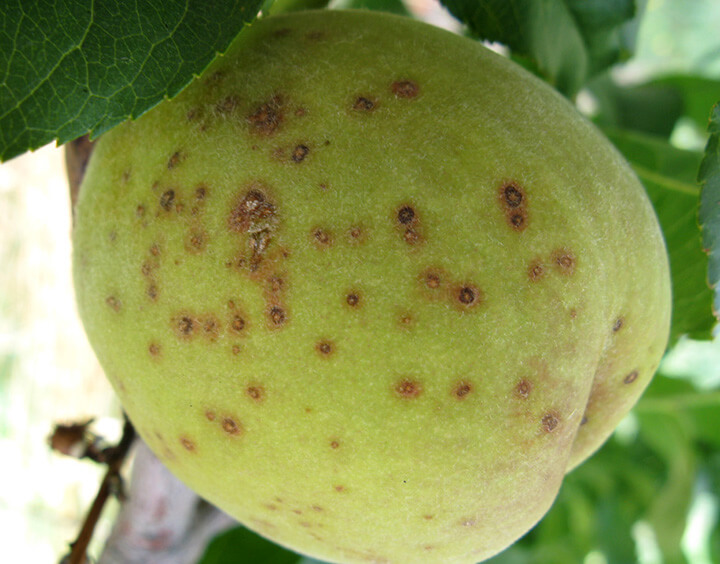
The disease caused by this fungus in apricots is known as screening or pelleting. The most obvious symptoms are the appearance of circular brown or purple Taches on the leaves, which often dry out and fall, leaving holes in the leaves. Brown or black lesions appear on the branches and fruits, which can affect the development of the fruits and reduce the quality of the harvest. These symptoms can lead to a significant reduction in apricot production.
• The leaves show brown Taches with a reddish halo.
• Taches on leaves may dry and fall off, leaving holes.
• The branches have dark lesions that can cause the plant to weaken.
• The fruits develop brown or black Taches that affect their quality and marketing.


TEMPERATURE AND HUMIDITY
20ºC - 25ºC
85% - 95%

HOW IS IT SPREAD?
Wind, water, infected plant residues.

HOW TO REMOVE IT?
Home remedies
There are no home treatments
Chemical treatments
• CAPTAN 47.5% [SC] P/V
• CAPTAIN 80% [WG] P/P
• DIFENOCONAZOLE 25% [EC] P/V
• COPPER OXYCHLORIDE 35% (EXPR. IN CU) [WG] P/P
• COPPER OXYCHLORIDE 37.5% (EXPR. IN CU) [WG] P/P
• COPPER OXYCHLORIDE 38% (EXPR. IN CU) [SC] P/V
• COPPER OXYCHLORIDE 50% (EXPR. IN CU) [WP] P/P
• CUPROUS OXIDE 50% (EXPR. IN CU) [WP] P/P
• CUPRIC HYDROXIDE 50% (EXPR. IN CU) [WG] P/P
Authorized treatments in organic farming
• COPPER OXYCHLORIDE 35% (EXPR. IN CU) [WG] P/P
• COPPER OXYCHLORIDE 37.5% (EXPR. IN CU) [WG] P/P
• COPPER OXYCHLORIDE 38% (EXPR. IN CU) [SC] P/V
• COPPER OXYCHLORIDE 50% (EXPR. IN CU) [WP] P/P
• CUPROUS OXIDE 50% (EXPR. IN CU) [WP] P/P
• CUPRIC HYDROXIDE 50% (EXPR. IN CU) [WG] P/P
Insect allies
PREDATORY MITES
LADYBUGS
LACEWINGS
PARASITIC WASPS
HOVERFLIES OR PARASITIC FLIES
PREDATORY BUGS
There are no natural allies
Mycodiplosis oidii (predatory mosquito)
EFFECTIVE PRODUCTS TO ELIMINATE THIS DISEASE





It is important to apply prevention and control measures to manage this disease. Pruning and removing infected plant material are critical steps to minimize the spread of the pathogen. Additionally, fungicides must be applied carefully and at appropriate times to prevent infection.
• Pruning infected branches and leaves is essential to reduce the spread of the pathogen.
• Remove and destroy infected plant debris to minimize spread.
• Apply fungicides according to recommendations and at critical times to control the disease.
• Make sure to maintain adequate humidity management to avoid favorable conditions for the fungus.
• Maintain the health of the plantation and carry out frequent monitoring to detect and treat the disease in time.
• Use apricot varieties that are resistant or tolerant to the disease.
Recommendations



Explore more tools
Services
Contact
Legal
©2026 by ZERIMAR S.A.R.L. All rights reserved