

Psilas
Asian citrus psyllid: what it is, how it originates, and how to effectively eliminate it.
Asian Citrus Psyllid
Diaphorina Citri
Pathogen:
Insect
Type:
Risk to the plant:
CRITICAL

DESCRIPTION
WHO CAUSES IT?
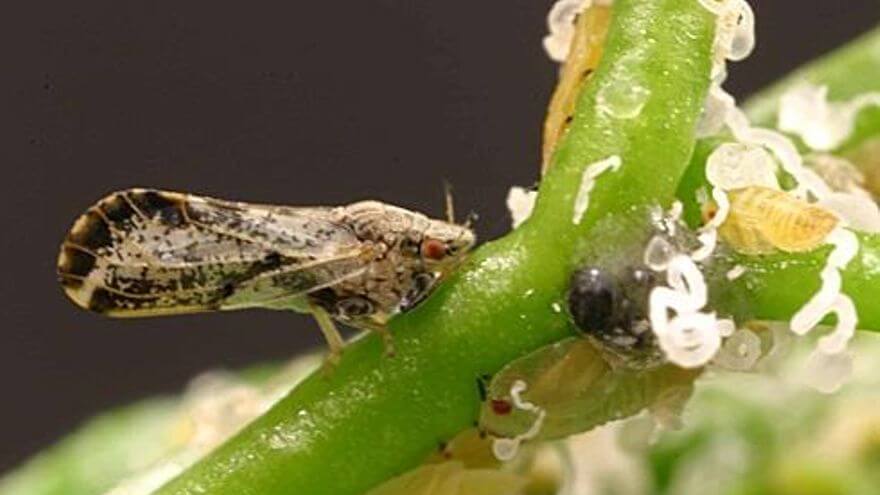
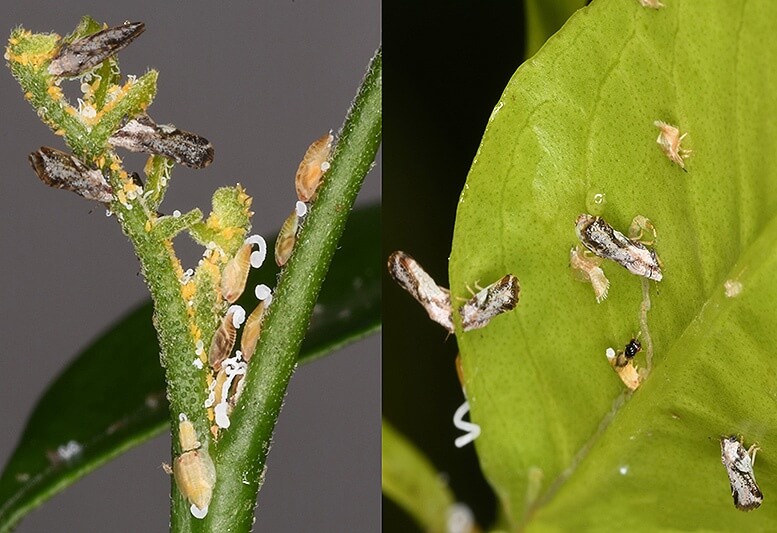
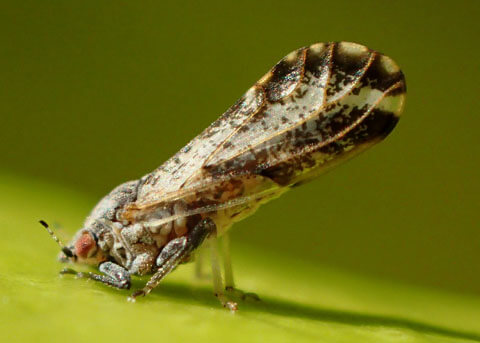
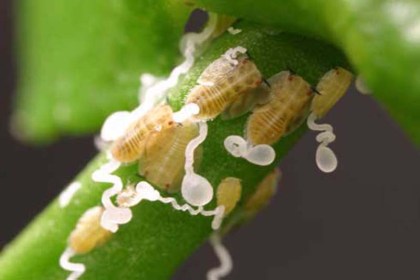
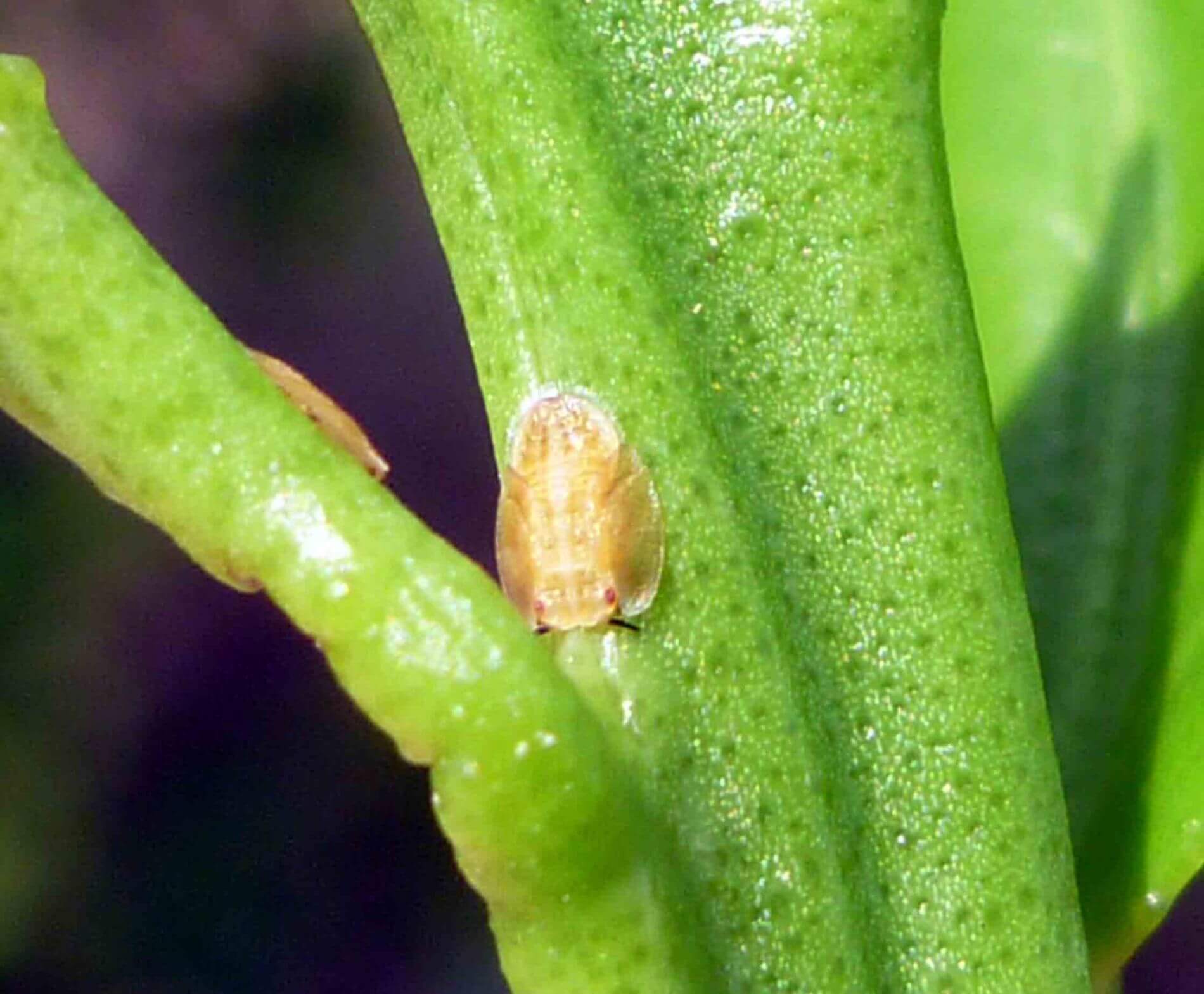
Diaphorina citri, commonly known as the Asian citrus psyllid, is a hemipteran insect that represents a significant threat to citrus crops. The adult insect is mottled brown and measures approximately 3 to 4 millimeters. Females lay their eggs on the leaves and young shoots of citrus trees. The eggs are elongated and yellow, transforming into nymphs after hatching. The nymphs go through five instars, during which they are yellow to light brown in color and feed on the phloem of plants. This feeding process is done with their mouthparts specialized in piercing and sucking. Feeding Diaphorina citri not only physically damages plant tissues but also introduces pathogenic bacteria. The duration of each development phase depends on environmental conditions, especially temperature and food availability. Under favorable conditions, Diaphorina citri can complete its development in less than three weeks, allowing multiple generations per year.
SYMPTOMS
The disease associated with Diaphorina citri is HLB (Huanglongbing) or citrus greening disease, one of the most devastating diseases for citrus trees. This disease is caused by the bacteria Candidatus Liberibacter asiaticus, which is transmitted by the psyllid while feeding. Symptoms include:
- Asymmetrical mottling on the leaves.
- Yellowing of the veins and nearby areas.
- Small and deformed fruits.
- Premature fruit drop.
- Bitter and unpleasant taste in the affected fruits.
- Reduction in the production and quality of the fruits.
- Dieback of dry branches and branches.
- Generalized deterioration of the plant.
- Possible death of the plant if it is not controlled.

TEMPERATURE AND HUMIDITY
25°C - 30°C
70% - 90%

HOW IS IT SPREAD?
Movement of infected plants, Wind, Contaminated tools, Agricultural machinery, Irrigation, Insect vectors, Infected propagation material

HOW TO REMOVE IT?
Home remedies
There are no home treatments
Chemical treatments
• PYRIPROXIFEN 10% [EC] P/V
• ORANGE OIL 60g/L [ME] P/S
Authorized treatments in organic farming
• ORANGE OIL 60g/L [ME] P/S
Insect allies
PREDATORY MITES
LADYBUGS
LACEWINGS
PARASITIC WASPS
HOVERFLIES OR PARASITIC FLIES
PREDATORY BUGS
There are no natural allies
Mycodiplosis oidii (predatory mosquito)
EFFECTIVE PRODUCTS TO ELIMINATE THIS DISEASE
Sponsored link

Sponsored link


Sponsored link
Sponsored link
Sponsored link


Sponsored link
Sponsored link
Effective against all types of fungi

Sponsored link


Sponsored link
Sponsored link

Sponsored link


Sponsored link
- Implement constant monitoring of plantations to detect the presence of the Asian citrus psyllid.
- Use yellow sticky traps to trap and monitor the Diaphorina citri population.
- Apply systemic and contact insecticides according to integrated pest management recommendations.
- Introduce natural enemies of the psyllid, such as Tamarixia radiata, for biological control.
- Eliminate and destroy infected plants to prevent the spread of the bacteria.
- Promote healthy growing practices, such as proper pruning and fertilization, to maintain vigorous plants.
- Use physical barriers such as anti-insect mesh to prevent the psyllid from entering the orchards.
- Implement crop rotation and avoid the proximity of young orchards to infected orchards.
- Collaborate with regional eradication and control programs.
- Promote the cleaning and disinfection of agricultural tools and machinery.
- Educate farmers and workers on the identification and management of Diaphorina citri and HLB.
Recommendations

Enjoy idMicrobe TOTALLY FREE, with no trial periods.


