

Escarabajos
The ambrosia beetle: what it is, how it originates, and how to eliminate it effectively.
The Ambrosia Beetle
Xyleborus Glabratus
Pathogen:
Insect
Type:
Risk to the plant:
CRITICAL


DESCRIPTION
WHO CAUSES IT?
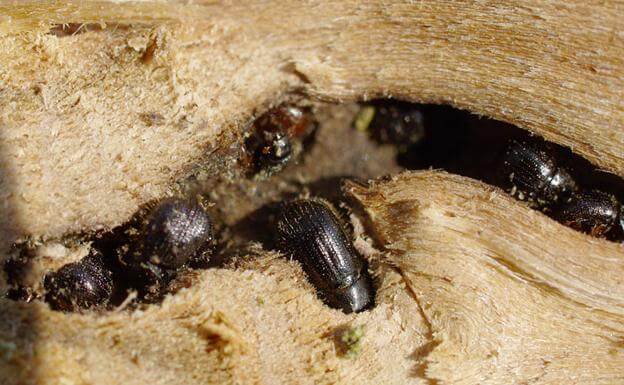
Xyleborus glabratus, known as the ambrosia beetle, is an invasive insect that mainly affects trees in the Lauraceae family, including avocado. Adults are small, approximately 2 mm in length, and dark brown to black. This beetle has a unique behavior of introducing symbiotic fungi into the trees it infests. Adult females bore into the wood of the host tree to create galleries where they lay their eggs. During this drilling, the females introduce spores of the fungus Raffaelea lauricola into the xylem vessels of the tree. The larvae, upon hatching, feed on the mycelial structures of the fungus within the galleries. Development from larva to adult can be completed in a few weeks under optimal temperature and humidity conditions, allowing multiple generations per year. Emerging females can fly and colonize new trees, perpetuating the spread of the fungus and infection.
SYMPTOMS
The ragweed beetle causes a devastating disease in avocado due to the introduction of the fungus Raffaelea lauricola. This fungus causes clogging of the tree's vascular system, disrupting the flow of water and nutrients, leading to rapid decline of the plant.
- Sudden wilting of leaves and branches.
- Drying and premature leaf fall.
- Discoloration and necrosis of the bark in infected areas.
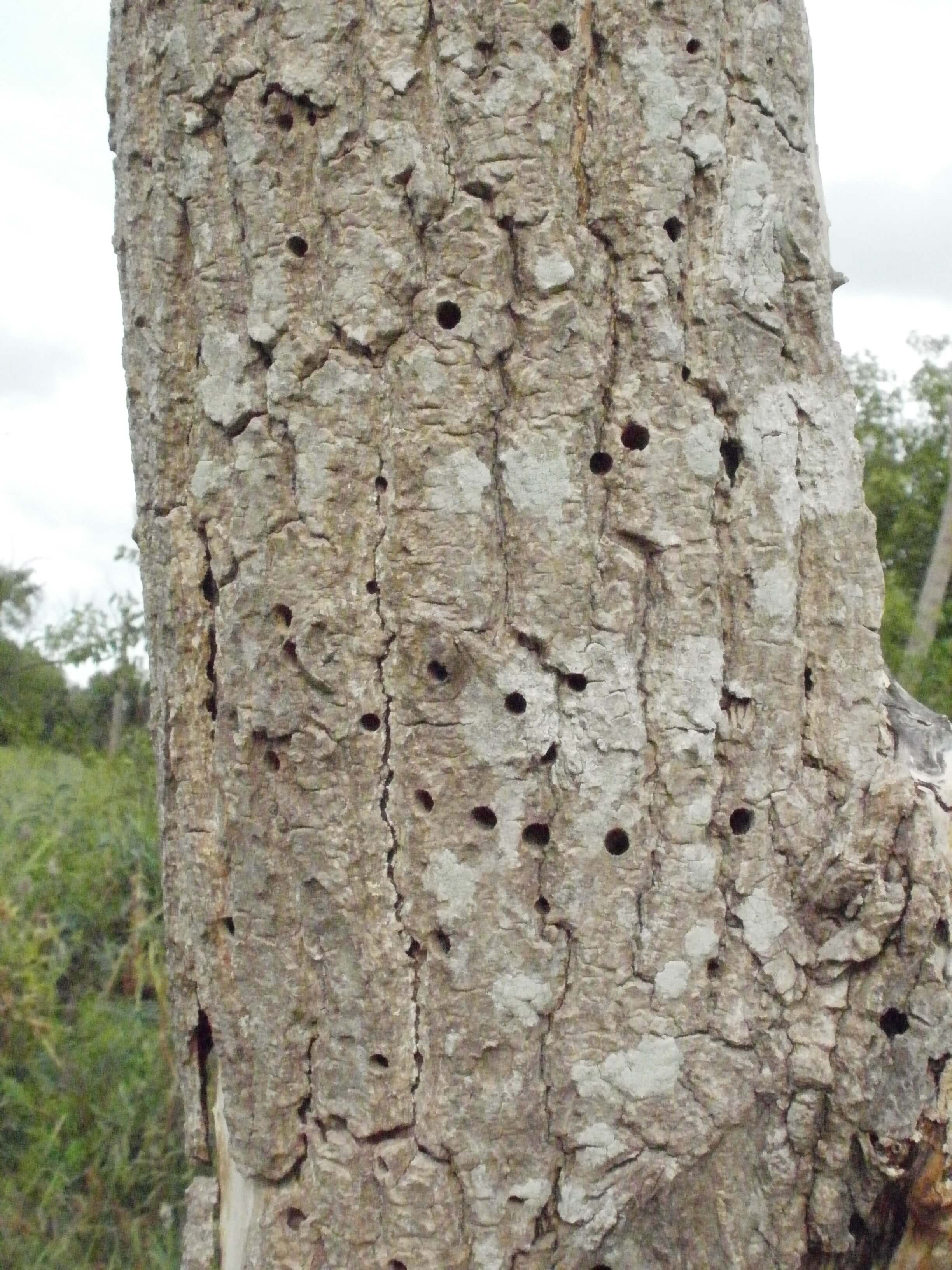
- Appearance of small holes in the trunk and branches, indicators of beetle activity.
- Rapid death of branches and, eventually, the entire tree.
- Presence of wood dust around the beetle's entry holes.


TEMPERATURE AND HUMIDITY
25°C - 30°C
60% - 80%

HOW IS IT SPREAD?
Flying adult beetles, movement of infected wood, contaminated tools, direct contact with infected trees

HOW TO REMOVE IT?
Home remedies
There are no home treatments
Chemical treatments
-
Authorized treatments in organic farming
-
Insect allies
PREDATORY MITES
LADYBUGS
LACEWINGS
PARASITIC WASPS
HOVERFLIES OR PARASITIC FLIES
PREDATORY BUGS
There are no natural allies
Mycodiplosis oidii (predatory mosquito)
EFFECTIVE PRODUCTS TO ELIMINATE THIS DISEASE
Sponsored link
Sponsored link


Sponsored link
Sponsored link
Sponsored link


Sponsored link
Sponsored link
Effective against all types of fungi

Sponsored link


Sponsored link
Sponsored link

Sponsored link


Sponsored link
- Regularly monitor trees to detect infestation symptoms early.
- Use pheromone traps to capture and monitor beetle populations.
- Implement biological controls by introducing natural enemies of the beetle.
- Avoid the movement of infected wood and plant material to prevent dispersion.
- Carry out sanitary pruning and eliminate infected trees appropriately.
- Improve cultural practices to keep trees vigorous and less susceptible to infestations.
- Apply chemical treatments in the early stage of infestation, following the recommendations for safe use.
- Promote species diversity in orchards to reduce susceptibility to specific pests.
Recommendations

Enjoy idMicrobe TOTALLY FREE, with no trial periods.


