

Orugas o gusanos
Red Worm Or Drill
Dyspessa Ulula
Pathogen:
Insect
Type:
Risk to the plant:
HIGH

DESCRIPTION
WHO CAUSES IT?
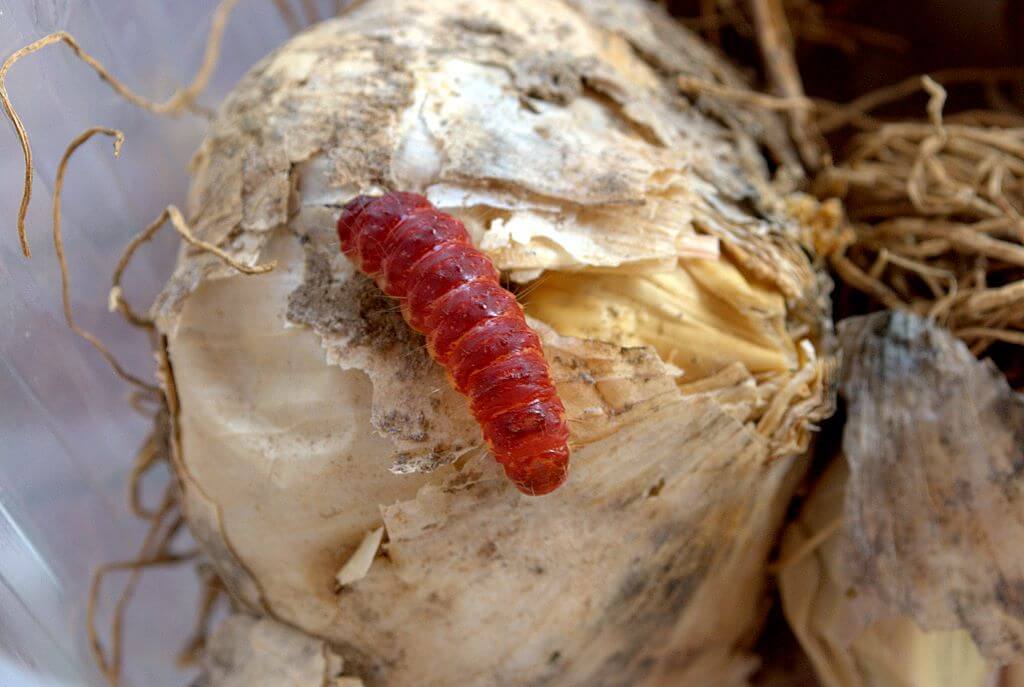
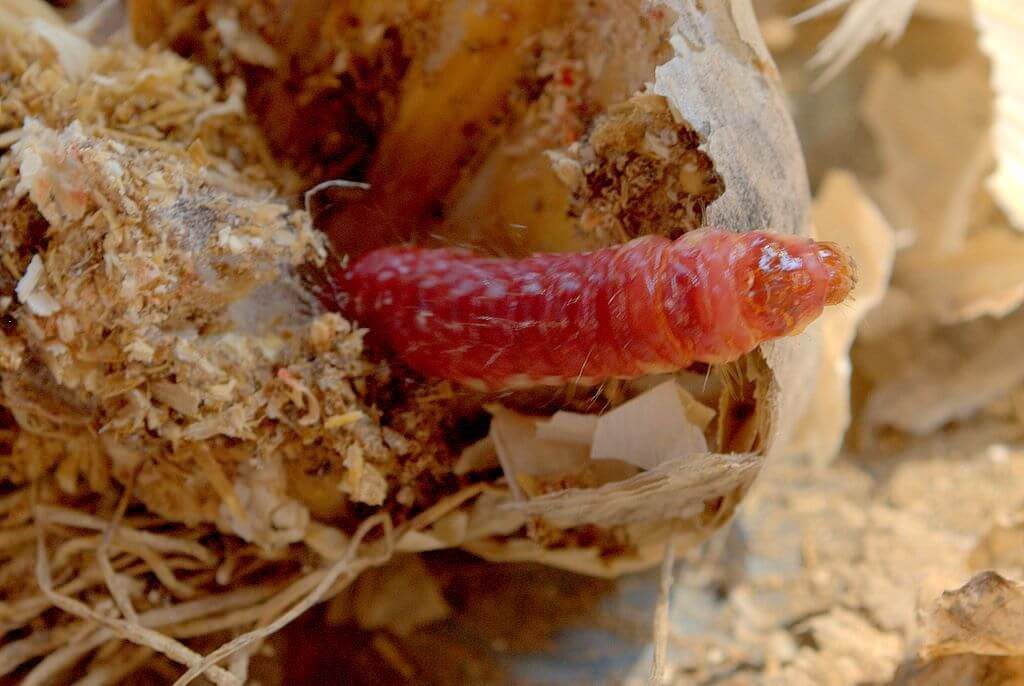
Dyspessa ulula is a moth whose larvae are known as red worm or drill. This insect goes through several stages of development that include egg, larva, pupa and adult. Adult females lay their eggs in the soil near garlic plants. Once the eggs hatch, the larvae emerge and begin feeding on the garlic bulbs and stems. The larvae go through several larval stages during which they grow and develop within the plant tissues, causing significant damage. After completing their larval development, the larvae pupate in the soil. The pupal stage lasts several weeks, after which the adults emerge. Adults are nocturnal and live for about a month, during which they reproduce and continue the cycle.
SYMPTOMS
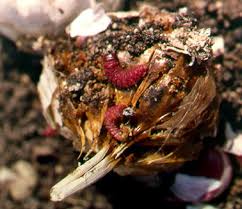
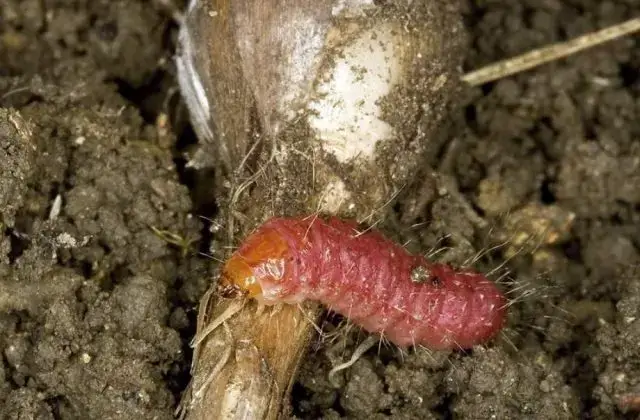
Dyspessa ulula infestation in garlic causes a disease known as red bollworm, which can have a significant impact on crop health and production. The larvae bore and feed on the bulbs and stems, resulting in various symptoms that affect both the plant and crop yield.
- Holes in the garlic bulbs and stems.
- Reddish or brown discoloration in the affected tissues.
- Internal decomposition of the bulb.
- Reduction in the size and weight of the bulbs.
- Withering and weakness of young plants.
- Loss of vigor and delayed growth of plants.


TEMPERATURE AND HUMIDITY
20°C - 30°C
60% - 80%

HOW IS IT SPREAD?
Contaminated soil, infected planting material, plant remains, wind, agricultural tools, transportation of infested bulbs

HOW TO REMOVE IT?
Home remedies
There are no home treatments
Chemical treatments
• ORANGE OIL 60g/L [ME] P/S
• AZADIRACTIN 1% (AS AZADIRACTIN A) [EC] P/V
• Azadirachtin 2.6% (AS AZADIRACTIN A) [EC] P/V
• CYPERMETHRIN 5% [EC] P/V
• DELTAMETHRIN 1.5% [EW] P/V
• DELTAMETHRIN 1.57% [SC] P/V
• DELTAMETHRIN 10% [EC] P/V
• DELTAMETHRIN 2.5% [EC] P/V
• LAMBDA CYHALOTHRIN 1.5% [CS] P/V
• LAMBDA CYHALOTHRIN 10% [CS] P/V
• LAMBDA CYHALOTHRIN 2.5% [WG] P/P
• SPINOSAD 48% [SC] P/V
Authorized treatments in organic farming
• ORANGE OIL 60g/L [ME] P/S
• AZADIRACTIN 1% (AS AZADIRACTIN A) [EC] P/V
• Azadirachtin 2.6% (AS AZADIRACTIN A) [EC] P/V
• LAMBDA CYHALOTHRIN 1.5% [CS] P/V
• LAMBDA CYHALOTHRIN 10% [CS] P/V
• LAMBDA CYHALOTHRIN 2.5% [WG] P/P
• SPINOSAD 48% [SC] P/V
Insect allies
PREDATORY MITES
LADYBUGS
LACEWINGS
PARASITIC WASPS
HOVERFLIES OR PARASITIC FLIES
PREDATORY BUGS
There are no natural allies
Mycodiplosis oidii (predatory mosquito)
EFFECTIVE PRODUCTS TO ELIMINATE THIS DISEASE
Sponsored link
Sponsored link


Sponsored link
Sponsored link
Sponsored link


Sponsored link
Sponsored link
Effective against all types of fungi

Sponsored link


Sponsored link
Sponsored link

Sponsored link


Sponsored link
- Carry out constant and detailed monitoring of crops to detect early signs of infestation.
- Use pheromone traps to trap and monitor adult populations.
- Implement crop rotations to reduce the population of Dyspessa ulula in the soil.
- Maintain field hygiene by eliminating infected plant remains and bulbs to reduce the food source for the larvae.
- Apply treatments with specific insecticides according to technical recommendations, and make sure to cover the base of the plants and the surrounding soil well.
- Use mesh or protective covers to prevent the oviposition of adult females in the crops.
- Promote the presence of natural enemies by introducing biological control with specific predators and parasitoids.
- Avoid excess moisture in the soil, since humid conditions favor the development of the pest.
- Implement soil solarization techniques to reduce larvae and pupae populations in the soil.
Recommendations

Enjoy idMicrobe TOTALLY FREE, with no trial periods.


