

Polillas
Geranium butterfly, moth, or borer: what it is, how it originates, and how to eliminate it effectively.
Butterfly, Moth Or Geranium Borer
Cacyreus Marshalli
Pathogen:
Insect
Type:
Risk to the plant:
INTERMEDIATE

DESCRIPTION
WHO CAUSES IT?
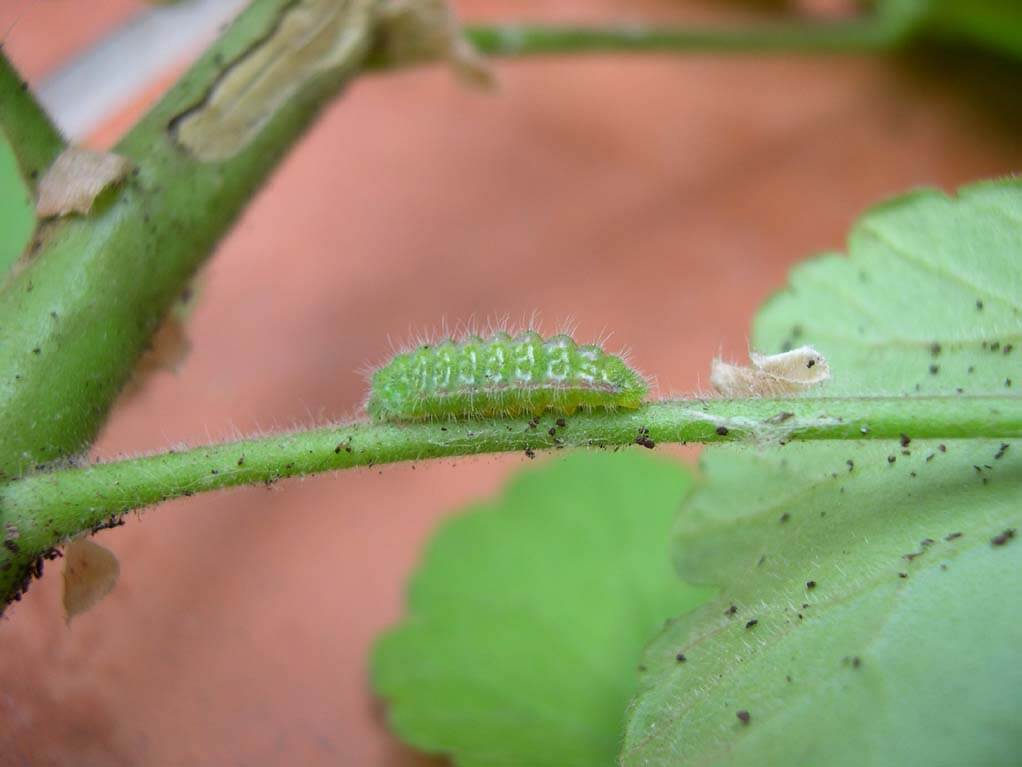
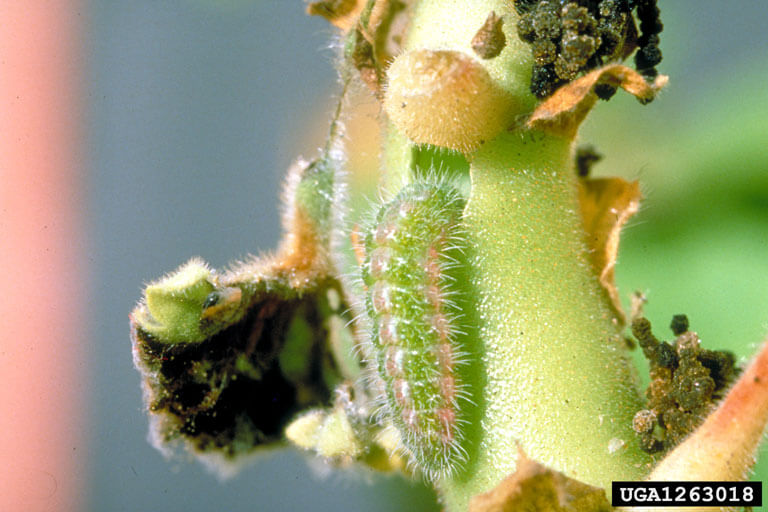
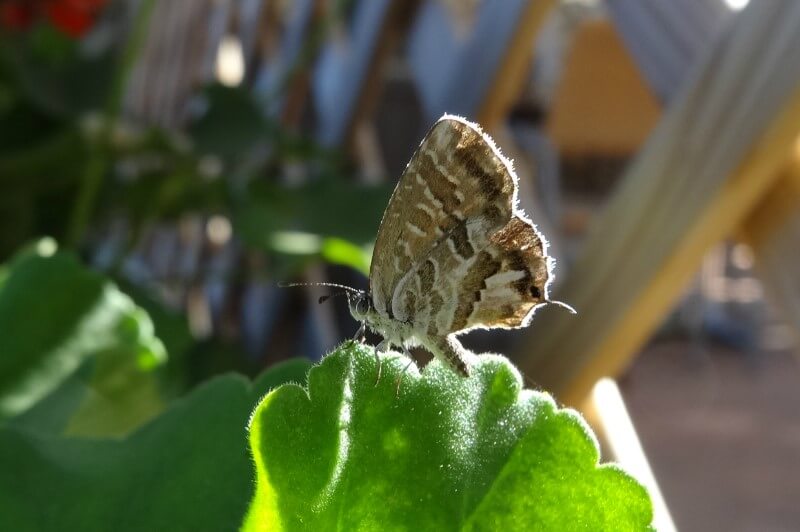
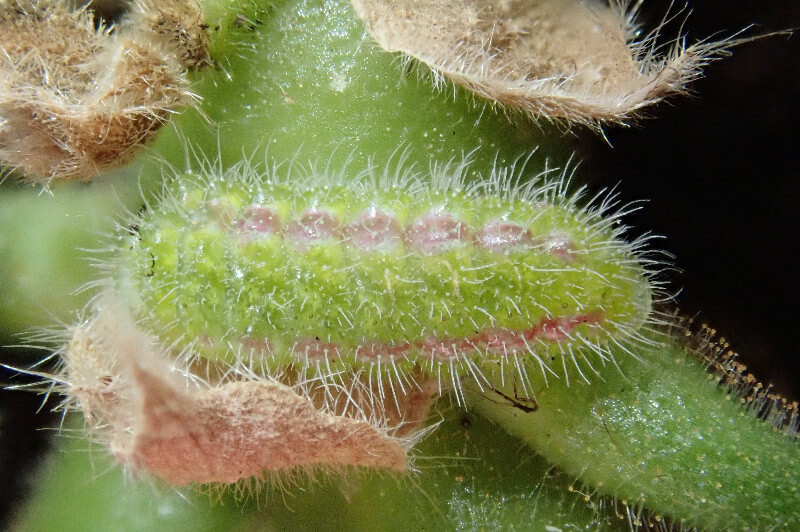
The geranium moth or borer, scientifically known as Cacyreus marshalli, is a common pest that affects geraniums and other plants in the Geraniaceae family. This small moth lays its eggs on the leaves and stems of the plant, and the larvae that emerge from the eggs feed on the vegetation, causing significant damage. Geranium borer larvae are green and are easily camouflaged among leaves, making them difficult to detect. The adults, for their part, are small butterflies, dark brown in color with white Taches and a wingspan of approximately 2 centimeters.
SYMPTOMS
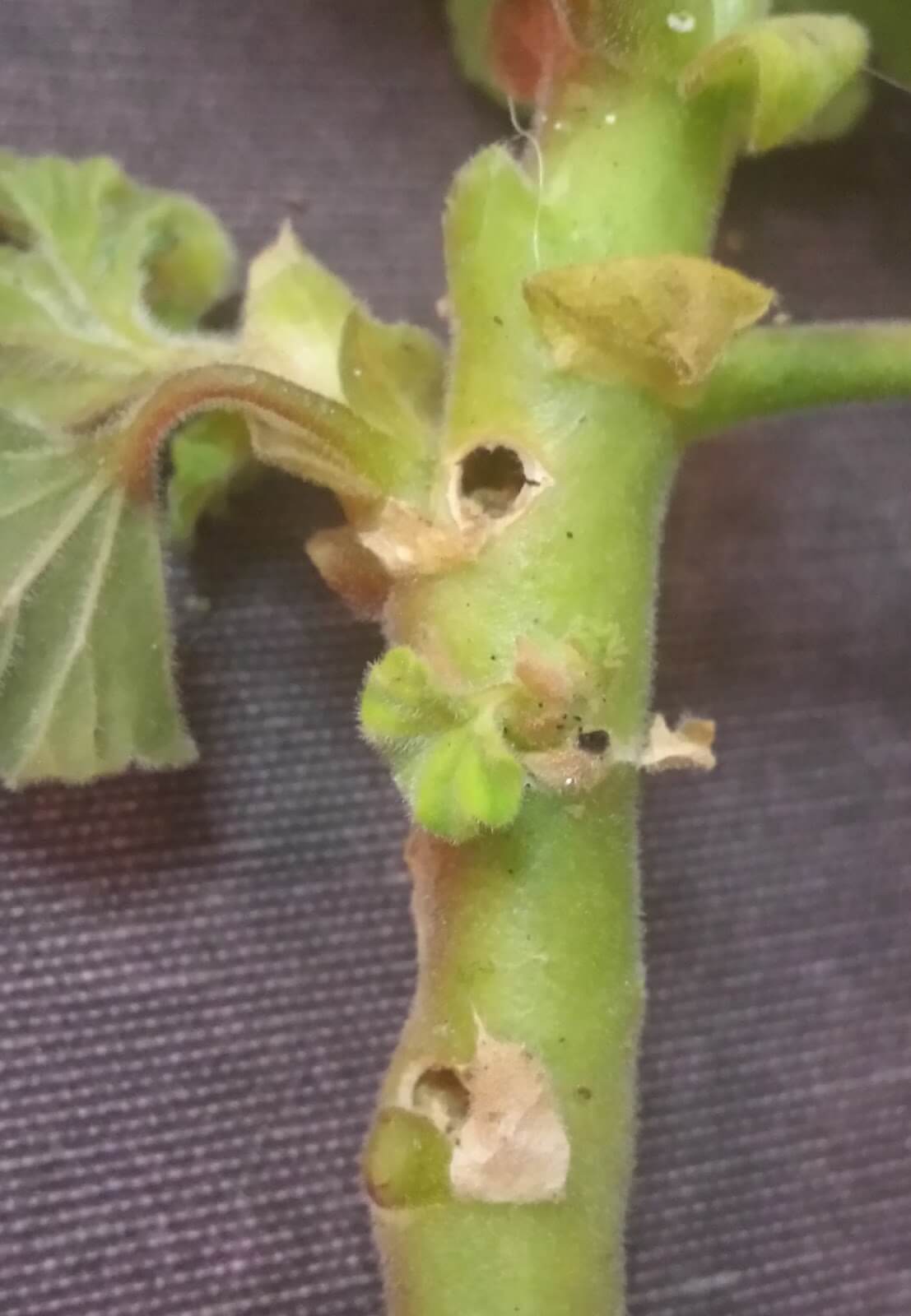
The disease caused by the geranium moth or borer manifests itself mainly in the defoliation of the plant and general weakening. Symptoms include the presence of holes in the leaves, buds and stems, as well as the presence of larval excrement, which are small black balls. Additionally, infested plants may show poor growth and reduced flowering due to stress caused by larval feeding.

TEMPERATURE AND HUMIDITY
20°C - 25°C
50% - 70%

HOW IS IT SPREAD?
Direct contact, transport by air.

HOW TO REMOVE IT?
Home remedies
There are no home treatments
Chemical treatments
• DELTAMETHRIN 2.5% [EC] P/V
Authorized treatments in organic farming
-
Insect allies
PREDATORY MITES
LADYBUGS
LACEWINGS
PARASITIC WASPS
HOVERFLIES OR PARASITIC FLIES
PREDATORY BUGS
There are no natural allies
Mycodiplosis oidii (predatory mosquito)
EFFECTIVE PRODUCTS TO ELIMINATE THIS DISEASE
Sponsored link

Sponsored link


Sponsored link
Sponsored link
Sponsored link


Sponsored link
Sponsored link
Effective against all types of fungi

Sponsored link


Sponsored link
Sponsored link

Sponsored link


Sponsored link
To prevent geranium moth or borer infestation, it is important to perform regular plant inspections for signs of larval presence or leaf damage. It is also recommended to manually remove larvae and adults when possible, and apply specific insecticides to control moths and larvae in case of serious infestations.
Recommendations

Enjoy idMicrobe TOTALLY FREE, with no trial periods.


