

Moteado
Mottled and dry spots: what they are, how they originate, and how to effectively remove them
Mottles And Dry Taches
Mottles And Dry Taches
Pathogen:
Fungus
Type:
Risk to the plant:
INTERMEDIATE
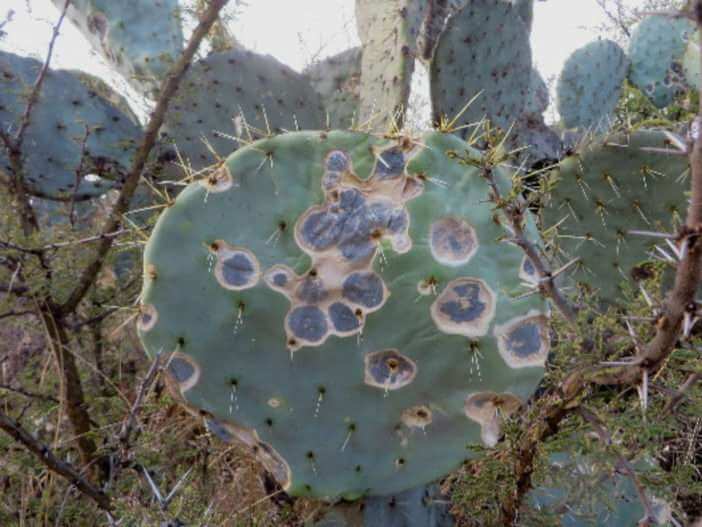
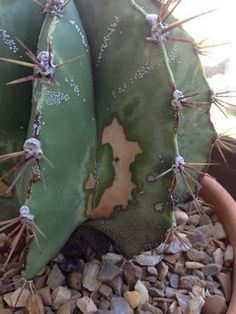

DESCRIPTION
WHO CAUSES IT?
Mottling and dry Taches on cacti are caused by a variety of fungi, including species of Alternaria, Colletotrichum, and Phyllosticta, among others. These fungi are opportunistic saprophytes that live in the soil, plant remains, and on the surface of plants, waiting for favorable conditions to infect. Alternaria, for example, produces spores in conidiophores that are released into the environment primarily during periods of high humidity and moderate temperatures. Colletotrichum forms acervules in infected tissues, releasing conidia in moist conditions. Phyllosticta produces pycnidia containing spores, which are dispersed by rainwater or irrigation. These fungi penetrate cacti through wounds, stomata, or weakened areas. Once inside, they colonize the internal tissues, causing necrosis and decomposition of plant cells. The infection spreads rapidly under favorable environmental conditions, such as high humidity and moderate to warm temperatures.
SYMPTOMS
The disease caused by these fungi in cactus manifests itself mainly in the form of dry Taches and mottles on the surface of the plant. These Taches can vary in size, shape and color, depending on the specific fungus and environmental conditions. Affected cacti may show a decrease in vigor and growth, as well as an aesthetically deteriorated appearance.
- Dark or discolored Taches on the surface of the cactus.
- Necrotic areas surrounded by yellow or brown halos.
- Loss of turgor in the affected tissues.
- Detachment of the epidermis in severely damaged areas.
- Development of sunken or cracked lesions.
- General deterioration in the health and growth of the cactus.
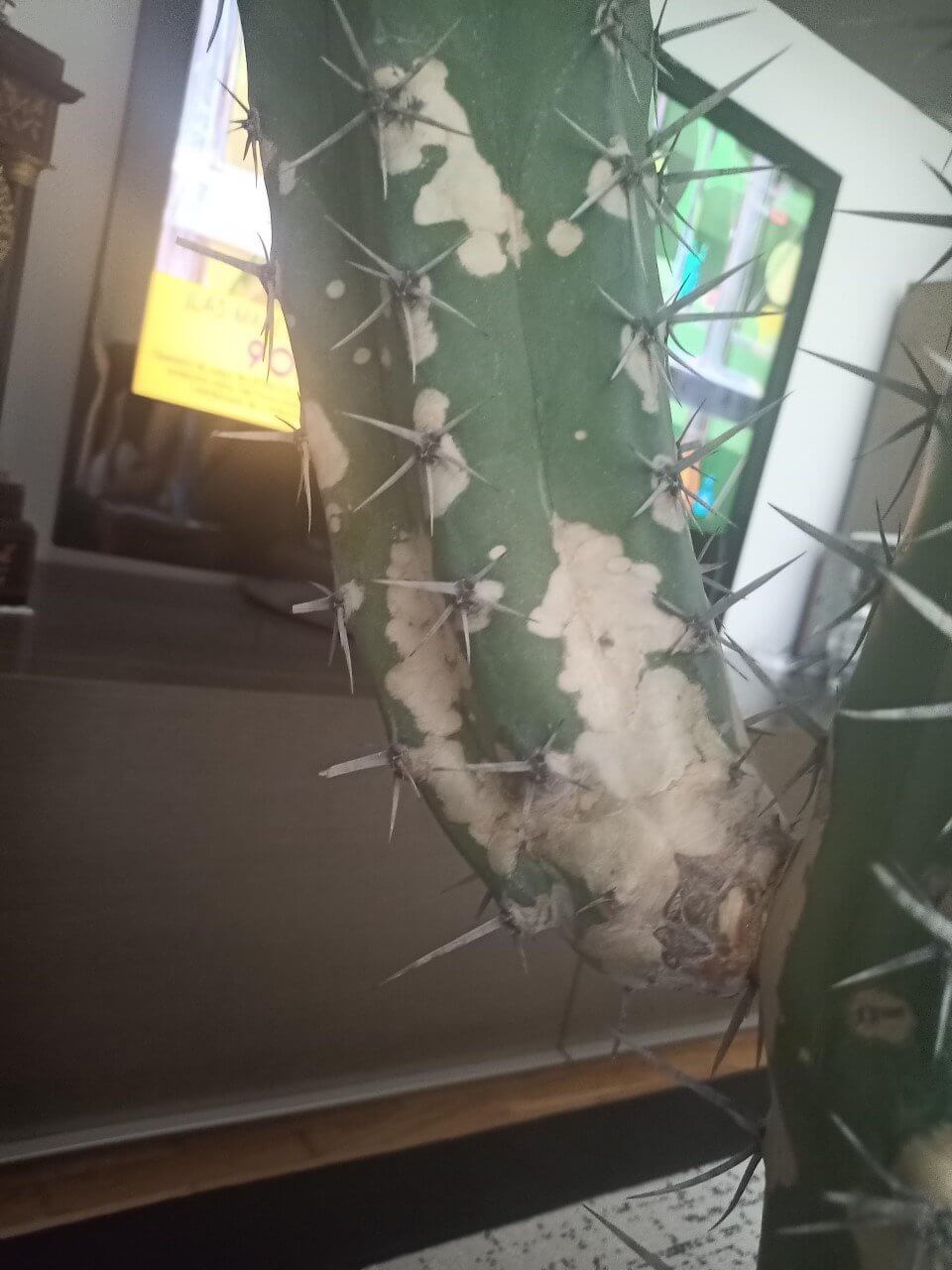


TEMPERATURE AND HUMIDITY
18°C a 28°C
60% a 80%

HOW IS IT SPREAD?
Irrigation water, Contaminated soil, Infected tools, Infected plant material, Wind, Decomposing plant remains

HOW TO REMOVE IT?
Home remedies
There are no home treatments
Chemical treatments
• ORANGE OIL 6% [SL] P/V
• AZOXISTROBIN 25% [SC] P/V
• SULFUR 80% [SC] P/V
• SULFUR 80% [WG] P/P
• SULFUR 80% [WP] P/P
• DIFENOCONAZOLE 0.0167% [AL] P/V
• DIFENOCONAZOLE 1.67% [EC] P/V
• CUPRIC HYDROXIDE 25% (EXPR. IN CU) [WG] P/P
• CUPRIC HYDROXIDE 50% (EXPR. IN CU) [WP] P/P
• COPPER OXYCHLORIDE 14% (exp. in Cu) + CUPRIC HYDROXIDE 14% (exp. in Cu) [WG] P/P
• COPPER OXYCHLORIDE 30% (EXPR. IN CU) [WP] P/P
• COPPER OXYCHLORIDE 35% (exp. in Cu) [WG] P/P
• COPPER OXYCHLORIDE 35% (EXPR. IN CU) [WG] P/P
• COPPER OXYCHLORIDE 38% (EXPR. IN CU) [SC] P/V
• COPPER OXYCHLORIDE 50% (EXPR. IN CU) [WP] P/P
• COPPER OXYCHLORIDE 52% (EXPR. IN CU) [SC] P/V
• CUPROUS OXIDE 50% (EXPR. IN CU) [WP] P/P
• PIRACLOSTROBIN 6.7% + BOSCALIDE 26.7% ( ) [WG] P/P
• PIRACLOSTROBIN 6.7% + BOSCALIDE 26.7% (I) [WG] P/P
• CUPROCALCIC SULFATE 20% (EXPR. IN CU) [WG] P/P
• CUPROCALCIC SULFATE 20% (EXPR. IN CU) [WP] P/P
• TRIBASIC COPPER SULFATE 19% (EXPR. IN CU) [SC] P/V
• TETRACONAZOLE 10% [EC] P/V
• TETRACONAZOLE 12.5% [ME] P/V
• TETRACONAZOLE 4% [ME] P/V
Authorized treatments in organic farming
• ORANGE OIL 6% [SL] P/V
• SULFUR 80% [SC] P/V
• SULFUR 80% [WG] P/P
• SULFUR 80% [WP] P/P
• CUPRIC HYDROXIDE 25% (EXPR. IN CU) [WG] P/P
• CUPRIC HYDROXIDE 50% (EXPR. IN CU) [WP] P/P
• COPPER OXYCHLORIDE 14% (exp. in Cu) + CUPRIC HYDROXIDE 14% (exp. in Cu) [WG] P/P
• COPPER OXYCHLORIDE 30% (EXPR. IN CU) [WP] P/P
• COPPER OXYCHLORIDE 35% (exp. in Cu) [WG] P/P
• COPPER OXYCHLORIDE 35% (EXPR. IN CU) [WG] P/P
• COPPER OXYCHLORIDE 38% (EXPR. IN CU) [SC] P/V
• COPPER OXYCHLORIDE 50% (EXPR. IN CU) [WP] P/P
• COPPER OXYCHLORIDE 52% (EXPR. IN CU) [SC] P/V
• CUPROUS OXIDE 50% (EXPR. IN CU) [WP] P/P
• CUPROCALCIC SULFATE 20% (EXPR. IN CU) [WG] P/P
• CUPROCALCIC SULFATE 20% (EXPR. IN CU) [WP] P/P
• TRIBASIC COPPER SULFATE 19% (EXPR. IN CU) [SC] P/V
Insect allies
PREDATORY MITES
LADYBUGS
LACEWINGS
PARASITIC WASPS
HOVERFLIES OR PARASITIC FLIES
PREDATORY BUGS
There are no natural allies
Mycodiplosis oidii (predatory mosquito)
EFFECTIVE PRODUCTS TO ELIMINATE THIS DISEASE
Sponsored link
Sponsored link


Sponsored link
Sponsored link
Sponsored link


Sponsored link
Sponsored link
Effective against all types of fungi

Sponsored link


Sponsored link
Sponsored link

Sponsored link


Sponsored link
- Maintain good hygiene in the growing area, eliminating plant debris and disinfecting tools.
- Avoid excess watering and ensure good drainage of the substrate to reduce humidity.
- Provide good ventilation to minimize humidity around the cacti.
- Regularly inspect cacti and remove any affected parts immediately.
- Apply specific preventive fungicides according to the manufacturer's recommendation.
- Avoid injuries to cacti during handling and planting.
- Use sterile and well-aerated substrates to reduce the presence of pathogens.
- Implement crop rotation to reduce the accumulation of fungi in the soil.
- Grow cactus varieties that are more resistant to fungal diseases.
- Control environmental humidity, especially in greenhouses, using dehumidification systems if necessary.
Recommendations

Enjoy idMicrobe TOTALLY FREE, with no trial periods.


