

Nematodos
Nematodes
Nematodes
Pathogen:
Nematode
Type:
Risk to the plant:
CRITICAL
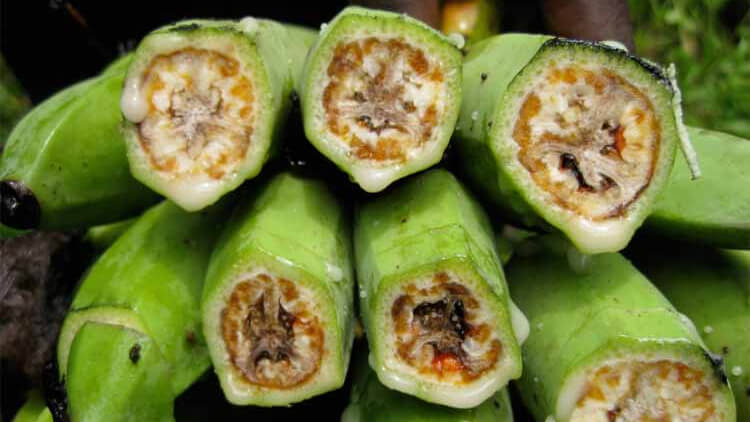
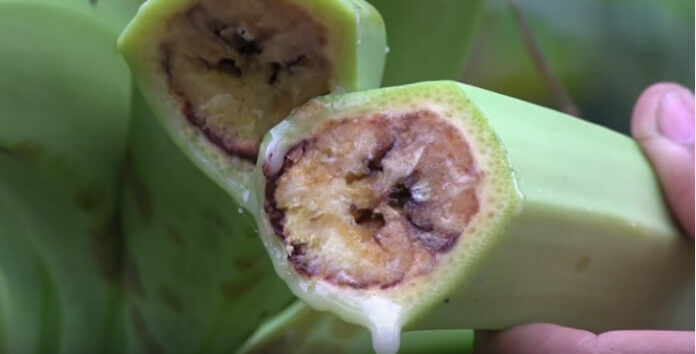


DESCRIPTION
WHO CAUSES IT?
Nematodes are elongated microscopic microorganisms that live in the soil and can seriously affect the roots of many plants, including banana trees. There are several harmful species, such as Radopholus similis and Pratylenchus spp., that penetrate root tissues to feed and reproduce. These nematodes go through different phases of development, starting as eggs laid in the soil or inside the affected roots. Larvae emerge from the eggs and go through several molts before reaching the adult phase, at which time they can continue feeding or reproduce. Some nematodes are migratory and actively move through the soil in search of new roots, while others are sedentary and remain in a single point within the plant tissue. Infestation increases with favorable temperature and humidity conditions, and the accumulation of high populations can seriously weaken the banana tree.
SYMPTOMS
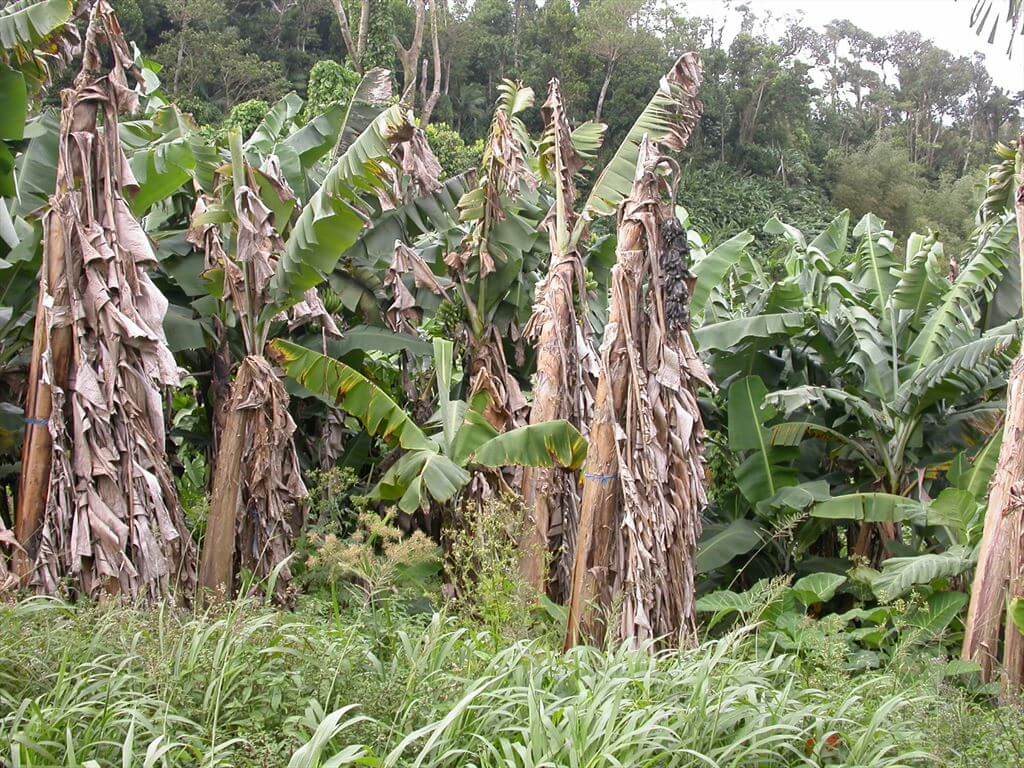
The banana tree affected by nematodes suffers progressive damage to its root system, which limits the absorption of water and nutrients, weakening the plant and reducing fruit production. Infested roots develop necrosis and lesions that facilitate the entry of opportunistic fungi and bacteria, accelerating the deterioration of the crop.
- Roots with necrotic lesions and partial or total rot.
- Loss of vigor and delayed growth.
- Yellowing and wilting of foliage.
- Reduction in the size and quality of the fruits.
- Greater susceptibility to secondary infections.
- Facilitates the fall of the plant in serious cases due to loss of anchorage.
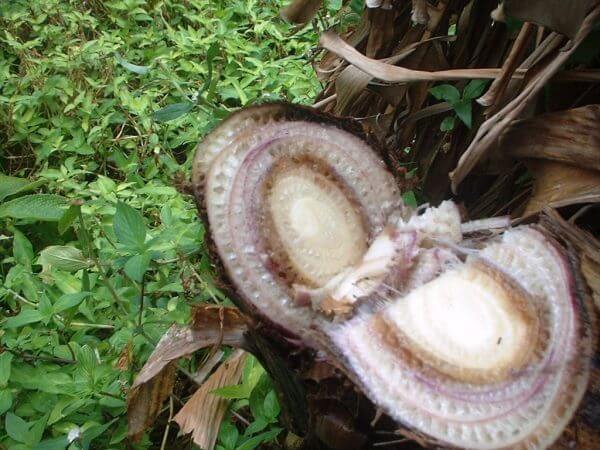
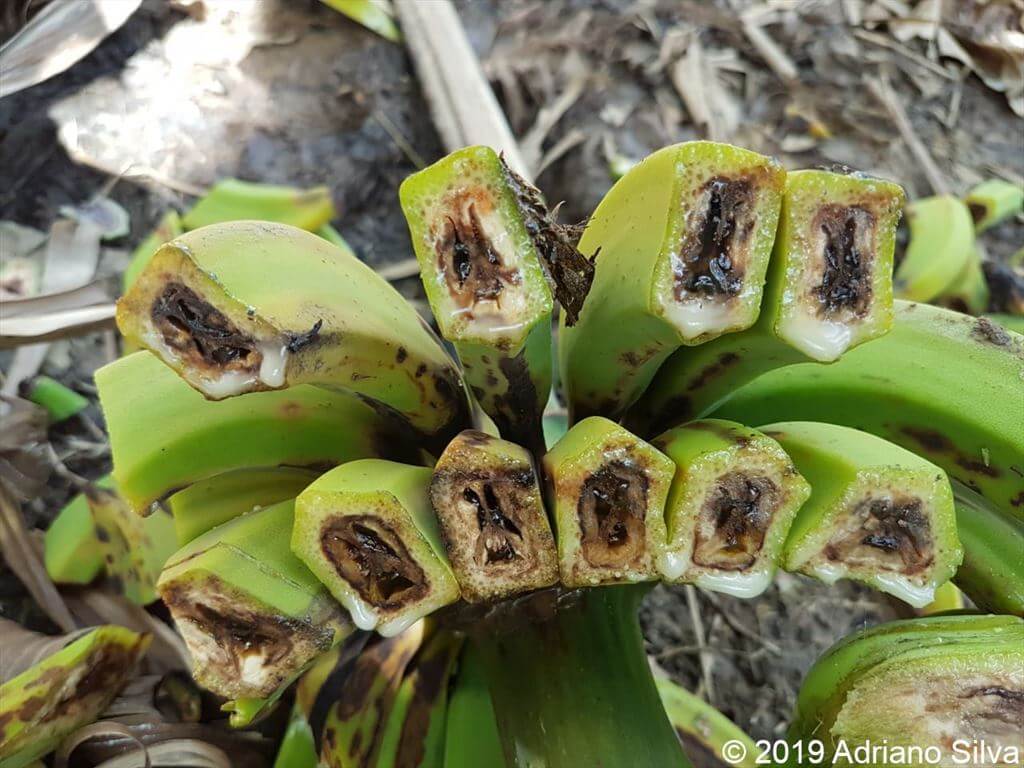


TEMPERATURE AND HUMIDITY
22°C - 30°C
70% - 90%

HOW IS IT SPREAD?
Active mobility in soil, contaminated irrigation water, infected agricultural tools, host plants, soil adhered to machinery or footwear

HOW TO REMOVE IT?
Home remedies
There are no home treatments
Chemical treatments
• FLUOPYRAME 40% [SC] P/V
• PHOSTIAZATE 15% [CE] P/V
• THIABENDAZOLE 50 % [SC] P/V
• THIABENDAZOLE 60 % [SC] P/V
Authorized treatments in organic farming
-
Insect allies
PREDATORY MITES
LADYBUGS
LACEWINGS
PARASITIC WASPS
HOVERFLIES OR PARASITIC FLIES
PREDATORY BUGS
There are no natural allies
Mycodiplosis oidii (predatory mosquito)
EFFECTIVE PRODUCTS TO ELIMINATE THIS DISEASE
Sponsored link

Sponsored link
Sponsored link


Sponsored link
Sponsored link
Sponsored link
Sponsored link


Sponsored link
Sponsored link
Effective against all types of fungi

Sponsored link
Sponsored link


Sponsored link
Sponsored link

Sponsored link
Sponsored link


Sponsored link
- Use plant material certified free of nematodes to avoid the introduction of the pathogen in new plantations.
- Carry out crop rotations with non-host species to reduce nematode populations in the soil.
- Apply organic matter and amendments such as compost and biofumigants to improve soil structure and reduce nematological activity.
- Promote the presence of beneficial microorganisms such as fungi and antagonistic bacteria that limit the proliferation of nematodes.
- Implement soil solarization practices in times of high temperatures to reduce populations by warming the substrate.
- Apply biological or chemical nematicides depending on the level of infestation and following technical recommendations to minimize the environmental impact.
- Avoid the movement of contaminated soil and disinfect tools used in affected areas to reduce dispersion.
- Maintain constant monitoring through soil analysis to detect the presence of nematodes before they cause severe damage.
Recommendations

Enjoy idMicrobe TOTALLY FREE, with no trial periods.


