

Cercosporosis
Rooster Eye
Cercospora Spp.
Pathogen:
Fungus
Type:
Risk to the plant:
HIGH


DESCRIPTION
WHO CAUSES IT?
Cercospora spp. is a group of phytopathogenic fungi responsible for various foliar diseases in a wide range of plants, including quinoa. These fungi are characterized by producing elongated, multicellular spores known as conidia, which are spread through wind and rain. Initial infection occurs when conidia land on the surface of leaves and germinate under high humidity conditions. The hyphae of the fungus penetrate the leaf epidermis, colonizing the intercellular tissues. As the fungus develops, it forms reproductive structures called conidiophores, which emerge through stomata or wounds in the leaves, producing more conidia that can be released to infect new plants. This process can be repeated several times during the growing season, especially in warm, humid climates, facilitating rapid spread of the fungus and persistence in crops. Under adverse conditions, fungi can survive on infected plant remains or in the soil, re-emerging when conditions become favorable again.
SYMPTOMS
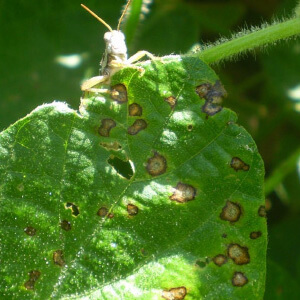
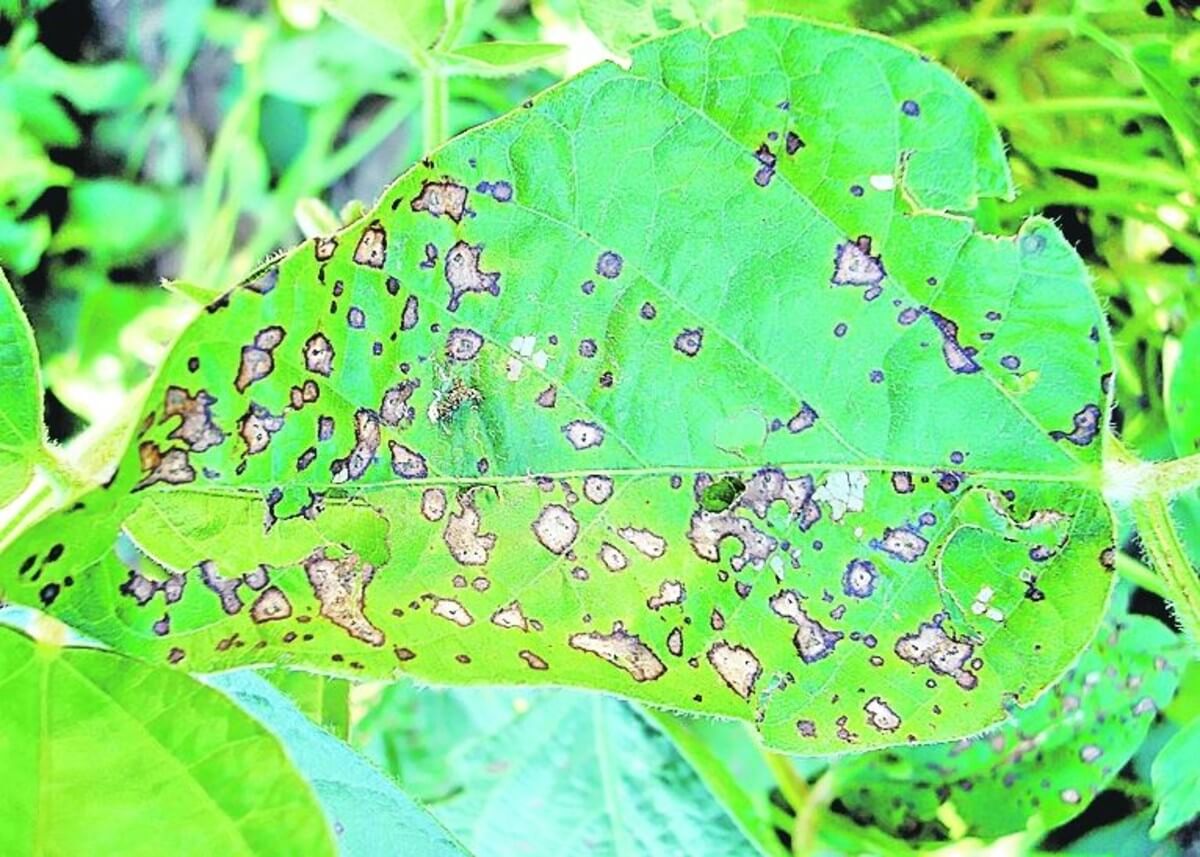
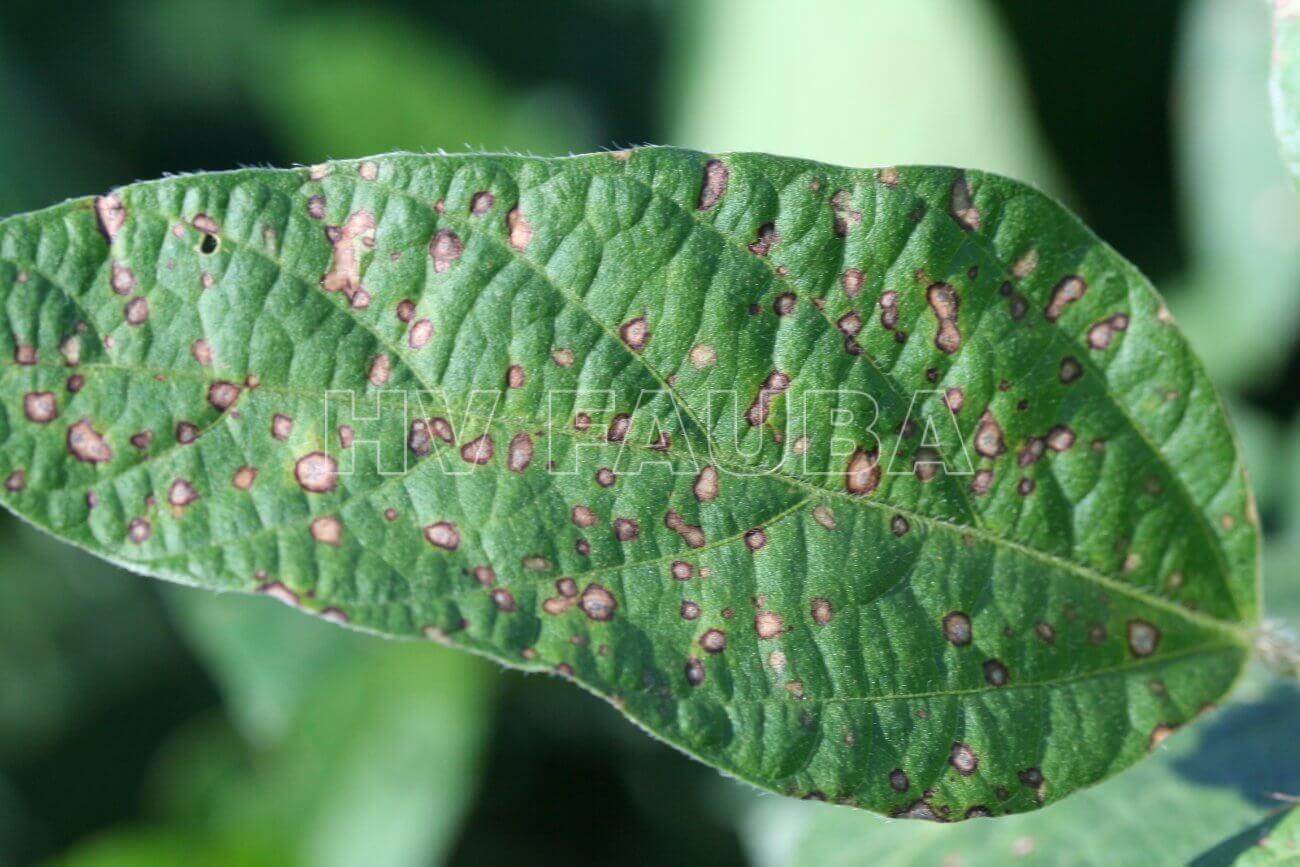
The disease known as Rooster's Eye, caused by Cercospora spp., significantly affects quinoa, manifesting mainly in the leaves, stems and, occasionally, in the seeds. The first symptoms appear as small chlorotic Taches that quickly expand and develop a necrotic center surrounded by a yellow halo, resembling a rooster's eye. Over time, these Taches can coalesce, causing premature defoliation and reducing the plant's photosynthetic capacity.
- Small chlorotic Taches on the leaves.
- Taches with a necrotic center and yellow halo.
- Coalescence of Taches, forming large areas of necrosis.
- Premature defoliation.
- Reduction of photosynthetic capacity.
- General weakening of the plant.
- Taches on the stems.
- Reduction in the quality and quantity of seeds.


TEMPERATURE AND HUMIDITY
20-30°C
70-90%

HOW IS IT SPREAD?
Wind, Rain, Contaminated tools, Remains of infected plants, Contaminated seeds, Direct contact between plants

HOW TO REMOVE IT?
Home remedies
There are no home treatments
Chemical treatments
• AZOXISTROBIN 25% [SC] P/V
Authorized treatments in organic farming
-
Insect allies
PREDATORY MITES
LADYBUGS
LACEWINGS
PARASITIC WASPS
HOVERFLIES OR PARASITIC FLIES
PREDATORY BUGS
There are no natural allies
Mycodiplosis oidii (predatory mosquito)
EFFECTIVE PRODUCTS TO ELIMINATE THIS DISEASE
Sponsored link
Sponsored link
Sponsored link


Sponsored link
Sponsored link
Sponsored link
Sponsored link


Sponsored link
Sponsored link
Effective against all types of fungi

Sponsored link
Sponsored link


Sponsored link
Sponsored link

Sponsored link
Sponsored link


Sponsored link
- Select and plant quinoa varieties resistant to Cercospora spp.
- Implement an adequate crop rotation to minimize the presence of inoculum in the soil.
- Remove and destroy infected plant remains after harvest to reduce sources of infection.
- Maintain a good separation between plants to improve air circulation and reduce leaf humidity.
- Apply fungicides preventively and according to technical recommendations, especially during periods of high humidity.
- Regularly monitor crops for early detection of symptoms and apply timely treatments.
- Avoid sprinkler irrigation as much as possible, as it favors the dispersal of spores.
- Promote integrated pest management practices that include cultural, biological and chemical measures.
- Train farmers on the identification and management of the disease.
Recommendations

Enjoy idMicrobe TOTALLY FREE, with no trial periods.


