


Micosis/Hongos
Phomosis: what it is, how it originates, and how to eliminate it effectively
Phomosis
Phoma Betae (Pleospora Betae)
Pathogen:
Fungus
Type:
Risk to the plant:
HIGH
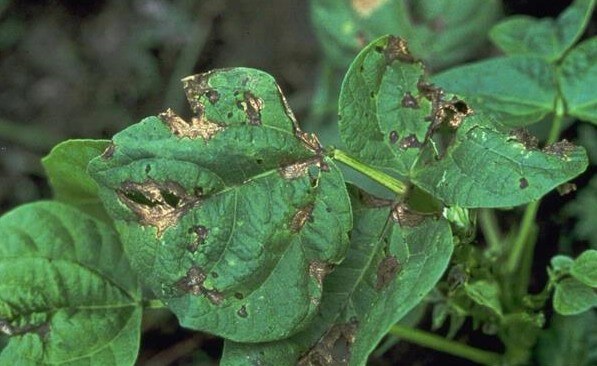
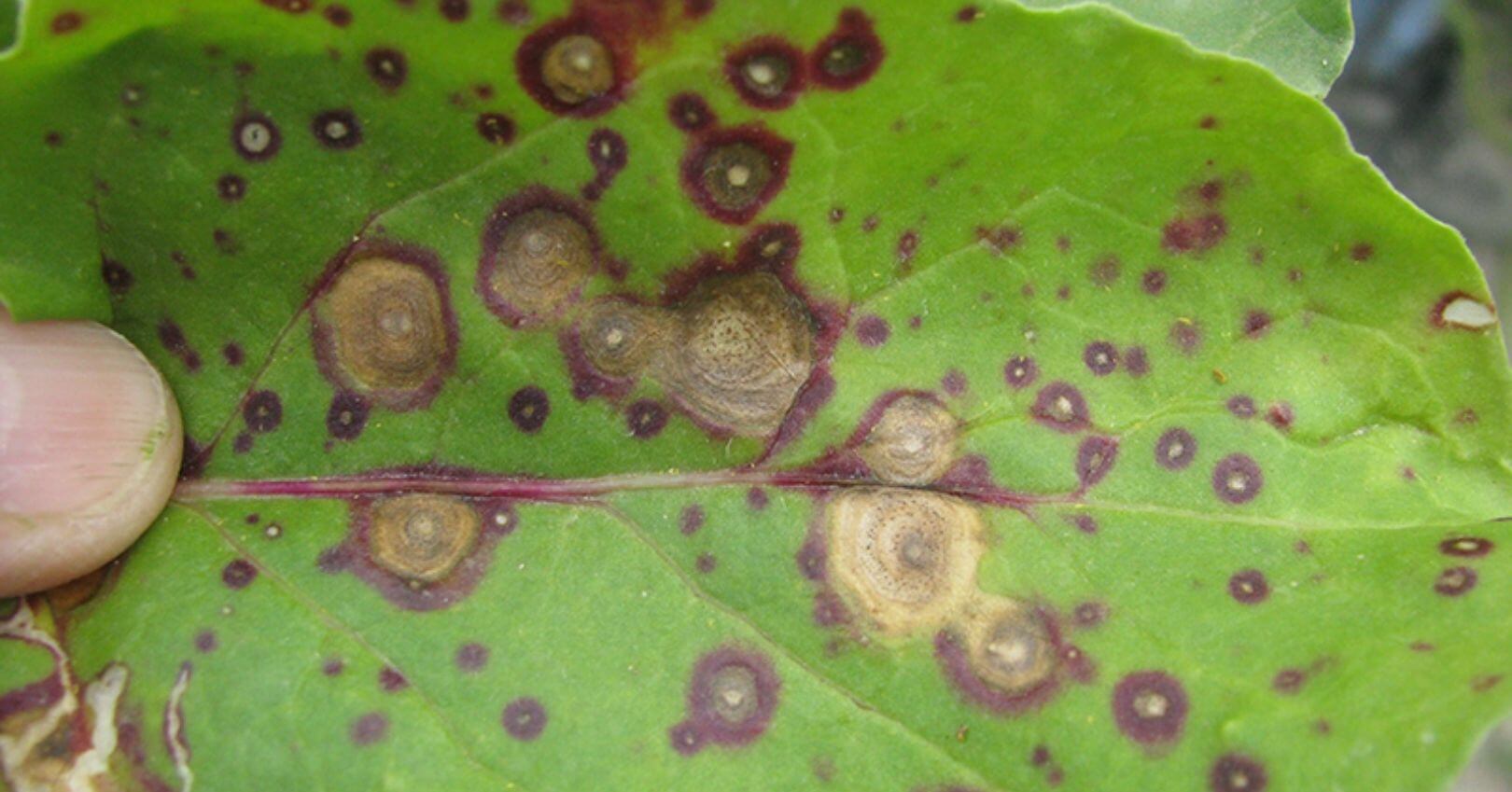

DESCRIPTION
WHO CAUSES IT?
Phoma betae (Pleospora betae) is a phytopathogenic fungus that mainly affects beets. This fungus reproduces through asexual spores (conidia) and sexual spores (ascospores). Conidia form in structures called pycnidia, which are black, spherical fruiting bodies that appear in infected plant tissue. During wet conditions, conidia are released and dispersed by water and wind, infecting new plants. Ascospores are produced in structures called pseudothecia, which also form in dead plant tissue. These spores can survive on crop residues in the soil, facilitating reinfection in the following growing season. The fungus penetrates plants through wounds or natural openings, and once inside, it colonizes the internal tissue, producing toxins and enzymes that degrade plant cells.
SYMPTOMS
Phomosis, caused by Phoma betae, is a disease that severely affects beets, compromising their quality and yield. The first symptoms are seen as small dark Taches on the leaves and crown of the plant. These Taches expand and become necrotic, causing sunken, discolored lesions. The infection extends to the roots, where black or brown Taches can be seen, which deepen and cause internal rot. Infected plants show delayed growth and wilting, especially in high humidity conditions.
- Small dark Taches on the leaves and crown
- Sunken and discolored lesions
- Black or brown Taches on the roots
- Internal root rot
- Delayed growth
- Wilting in high humidity conditions


TEMPERATURE AND HUMIDITY
15°C - 25°C
70% - 90%

HOW IS IT SPREAD?
Conidia transported by water and wind, ascospores in crop residues, infected seeds, contaminated tools

HOW TO REMOVE IT?
Home remedies
There are no home treatments
Chemical treatments
• COPPER OXYCHLORIDE 50% (EXPR. IN CU) [WP] P/P
• PIRACLOSTROBIN 6.7% + BOSCALIDE 26.7% ( ) [WG] P/P
Authorized treatments in organic farming
• COPPER OXYCHLORIDE 50% (EXPR. IN CU) [WP] P/P
Insect allies
PREDATORY MITES
LADYBUGS
LACEWINGS
PARASITIC WASPS
HOVERFLIES OR PARASITIC FLIES
PREDATORY BUGS
There are no natural allies
Mycodiplosis oidii (predatory mosquito)
EFFECTIVE PRODUCTS TO ELIMINATE THIS DISEASE





- Implement an appropriate crop rotation to reduce the accumulation of inoculum in the soil.
- Use seeds certified pathogen-free and properly disinfected.
- Apply protective fungicides during the early stages of growth, following technical recommendations.
- Avoid excessive irrigation and maintain good ventilation in the field to reduce humidity.
- Remove and destroy the remains of infected crops to reduce the source of inoculum.
- Practice integrated pest management (IPM) to minimize damage and prevent the spread of the disease.
- Disinfect agricultural tools and equipment before use in non-infected areas.
- Regularly monitor the crop to detect early symptoms and apply timely control measures.
Recommendations



Explore more tools
Services
Contact
Legal
©2026 by ZERIMAR S.A.R.L. All rights reserved