

Polillas
Fig Moth
Choreutis Nemorana
Pathogen:
Insect
Type:
Risk to the plant:
HIGH
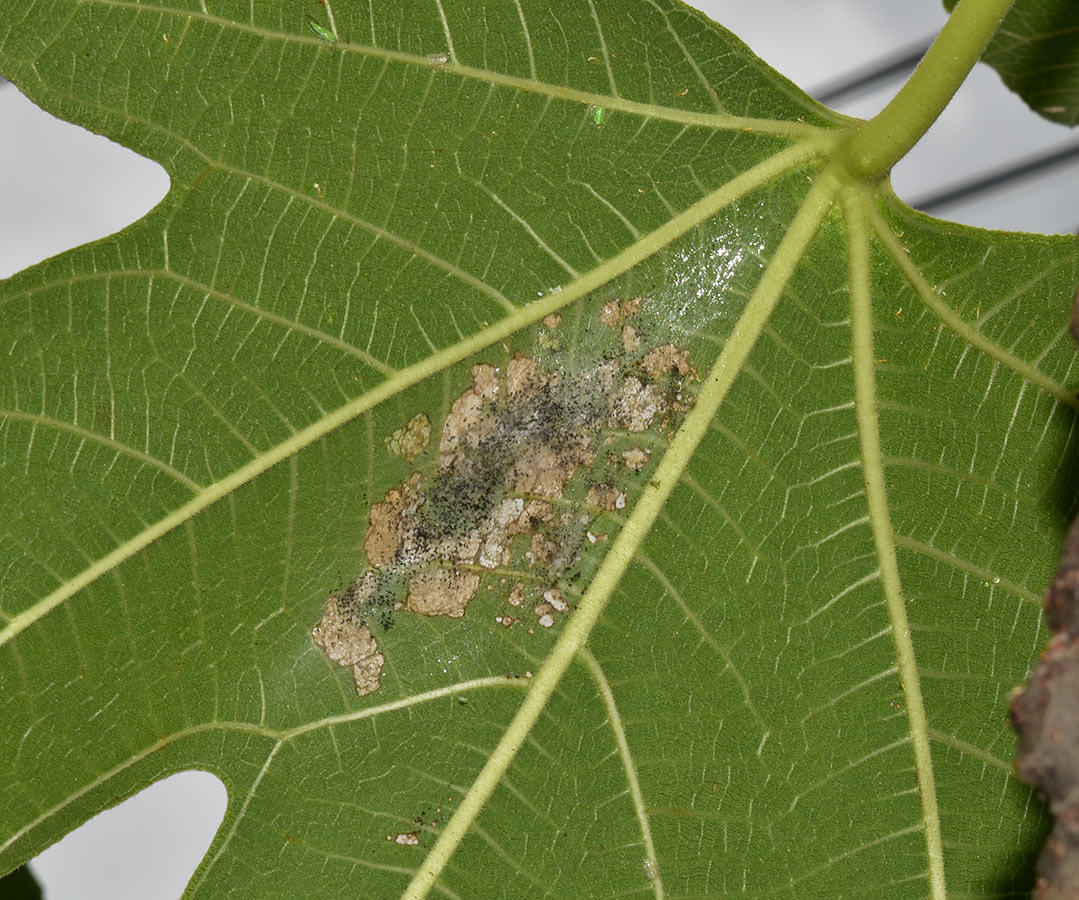
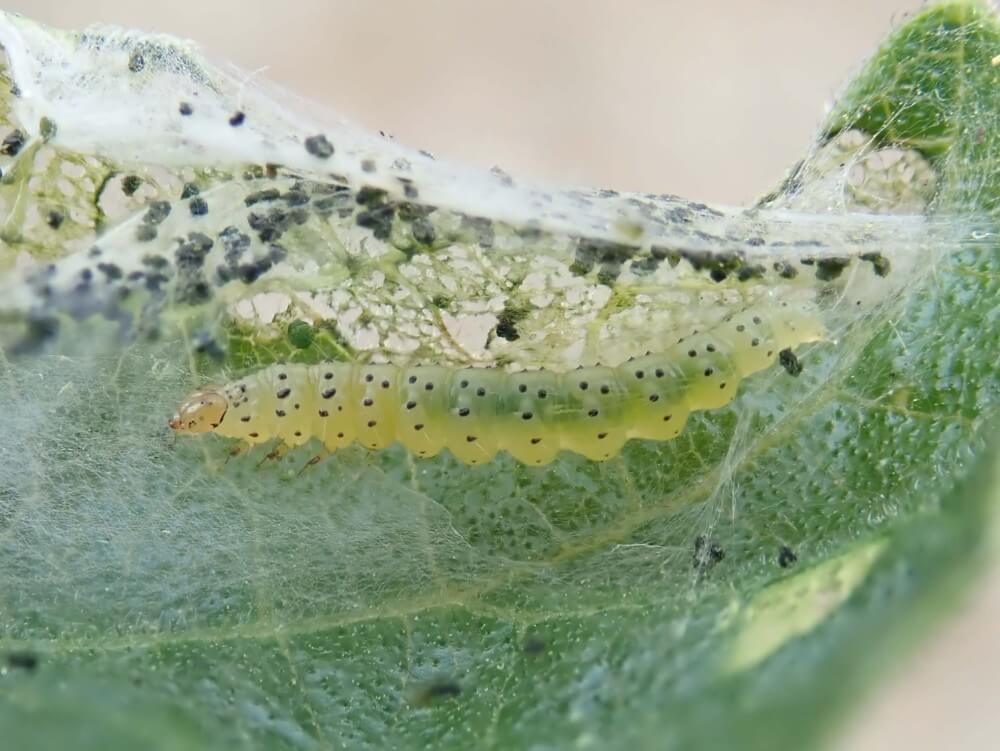

DESCRIPTION
WHO CAUSES IT?
Choreutis nemorana, commonly known as the fig moth, is a lepidopteran that mainly affects fig trees. The adult moth is small, with dark brown front wings and characteristic patterns that make it easy to identify. During spring, females lay their eggs on the young leaves of the fig tree. These eggs hatch in a few days, giving rise to larvae that begin to feed on the foliage. The larvae go through several molts before reaching maturity. The larvae subsequently spin a silky cocoon where they pupate, emerging as adults after a few weeks. This process can be repeated several times a year, depending on environmental conditions, allowing Choreutis nemorana to have multiple annual generations.
SYMPTOMS
The fig moth causes significant damage to the fig tree, affecting both the foliage and the fruits. The larvae feed on the leaves, creating mines and tunnels that weaken the plant and reduce its photosynthetic capacity. In severe infestations, the fruits can also be affected, presenting damage that reduces their commercial quality.
- Presence of mines and tunnels in the leaves
- Drying and premature leaf fall
- Superficial damage to the fruits
- Reduction in the general vigor of the plant
- Appearance of silky cocoons on the foliage
- Loss of quality in fruits due to external damage
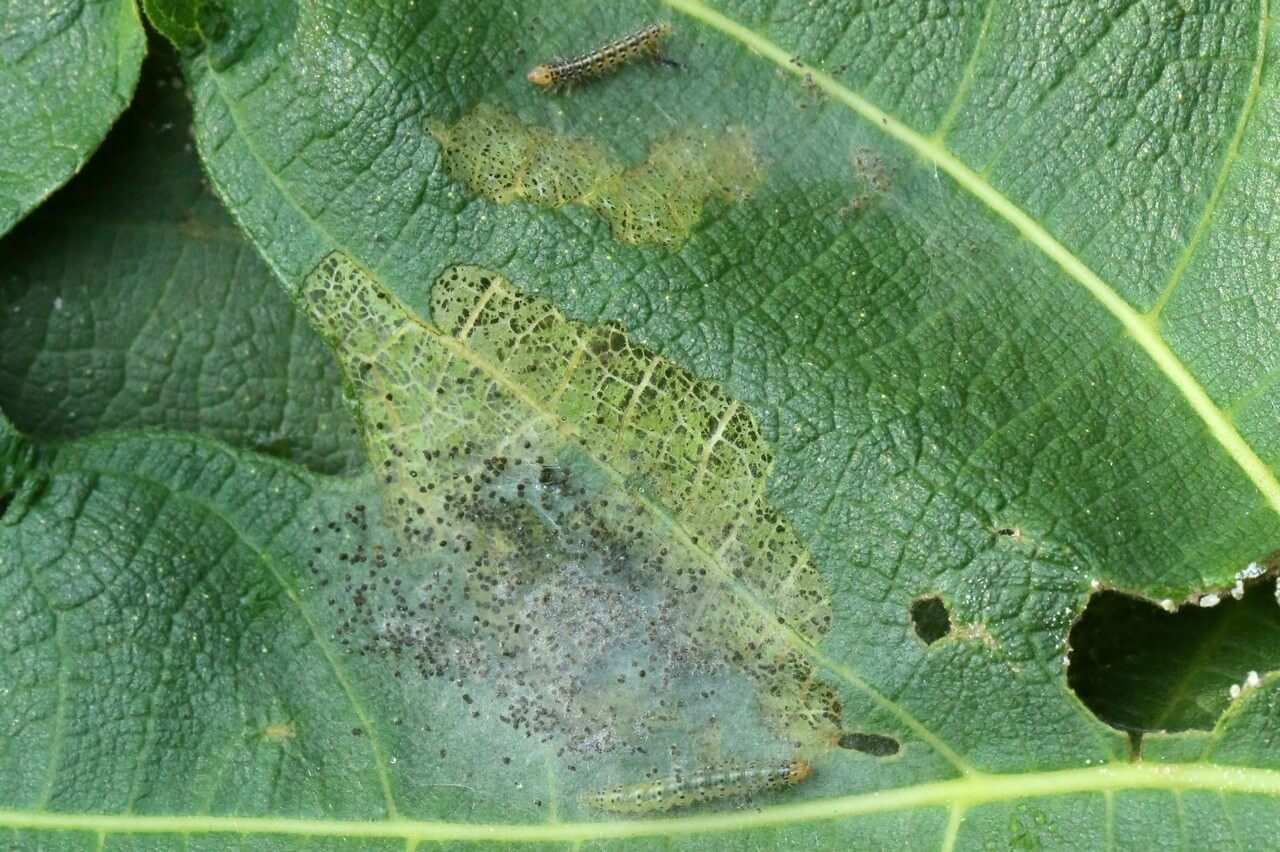
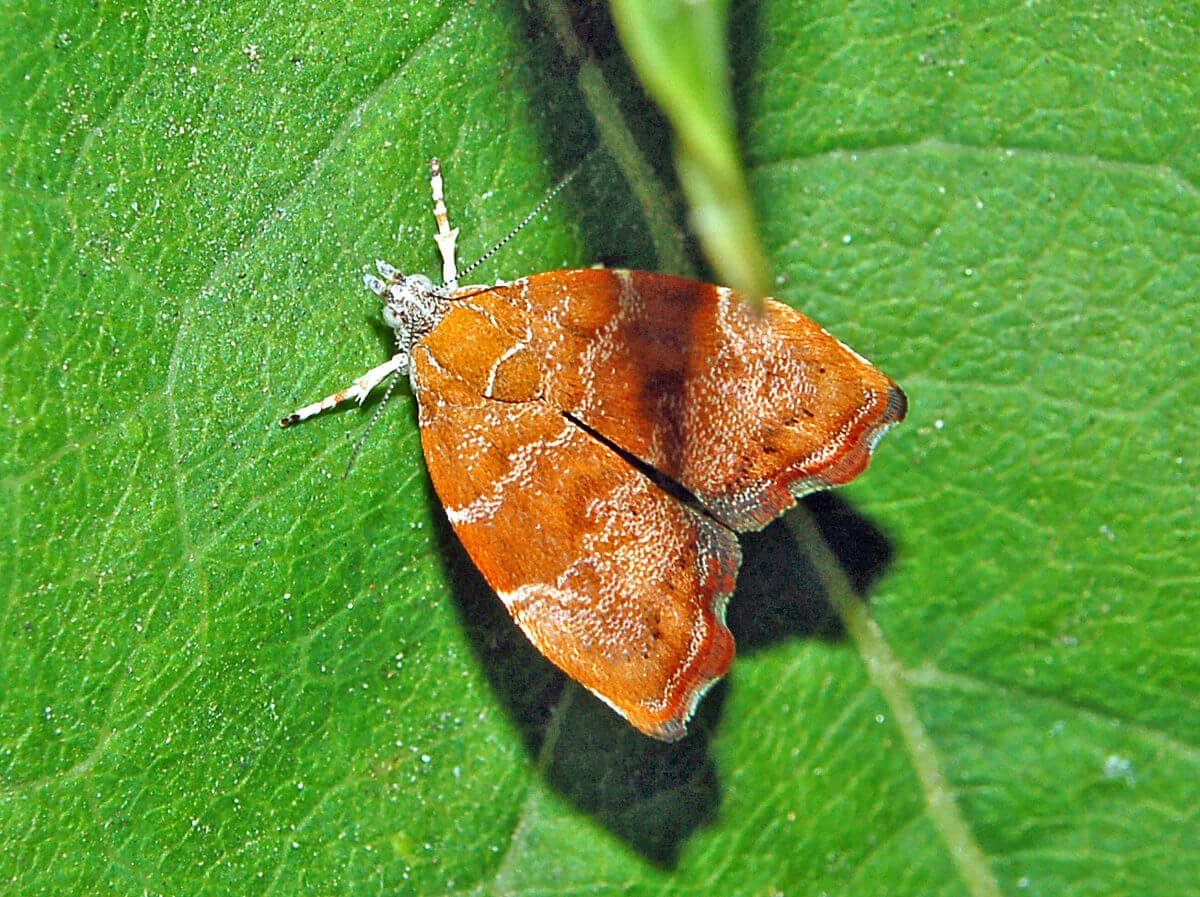


TEMPERATURE AND HUMIDITY
18°C - 30°C
60% - 80%

HOW IS IT SPREAD?
Air, Direct contact between plants, Contaminated plant material, Soil movements

HOW TO REMOVE IT?
Home remedies
There are no home treatments
Chemical treatments
• AZADIRACTIN 1% (AS AZADIRACTIN A) [EC] P/V
• Azadirachtin 2.6% (AS AZADIRACTIN A) [EC] P/V
• MOTH TRAPS
Authorized treatments in organic farming
• AZADIRACTIN 1% (AS AZADIRACTIN A) [EC] P/V
• Azadirachtin 2.6% (AS AZADIRACTIN A) [EC] P/V
• MOTH TRAPS
Insect allies
PREDATORY MITES
LADYBUGS
LACEWINGS
PARASITIC WASPS
HOVERFLIES OR PARASITIC FLIES
PREDATORY BUGS
There are no natural allies
Mycodiplosis oidii (predatory mosquito)
EFFECTIVE PRODUCTS TO ELIMINATE THIS DISEASE
Sponsored link
Sponsored link
Sponsored link


Sponsored link
Sponsored link
Sponsored link
Sponsored link


Sponsored link
Sponsored link
Effective against all types of fungi

Sponsored link
Sponsored link


Sponsored link
Sponsored link

Sponsored link
Sponsored link


Sponsored link
- Regularly monitor the crop for early signs of infestation.
- Implement integrated pest management (IPM) practices that include the use of pheromone traps to capture adult moths.
- Promote the presence of natural enemies of the moth, such as parasitoid wasps, by conserving natural habitats around the crop.
- Use anti-insect nets to protect young fig trees from oviposition.
- Carry out sanitary pruning to eliminate affected leaves and fruits, thus reducing the larvae population.
- Apply biological insecticides based on Bacillus thuringiensis (Bt) at critical moments in the pathogen's life cycle, such as when the first larvae are detected.
- Rotate insecticides with different modes of action to prevent the development of resistance in the moth.
- Maintain good soil and plant health, avoiding water and nutritional stress that can weaken the fig tree and make it more susceptible to pests.
- Establish physical barriers or trap crops to divert moths' attention from productive fig trees.
Recommendations

Enjoy idMicrobe TOTALLY FREE, with no trial periods.


