

Bacteriosis
Vein disease, varnished spots: what it is, how it originates, and how to effectively eliminate it
Vein Disease, Varnished Taches
Pseudomonas Cichorii
Pathogen:
Bacterium
Type:
Risk to the plant:
HIGH

DESCRIPTION
WHO CAUSES IT?
The pathogen Pseudomonas cichorii is a phytopathogenic bacteria that causes diseases in a variety of plants. This bacteria is gram-negative and has the ability to survive in plant remains, soil and water. Under favorable conditions of high humidity and moderate temperatures, Pseudomonas cichorii multiplies rapidly. The bacteria enter the plant through wounds, stomata or hydathodes, establishing themselves in the vascular tissue and causing symptoms of infection. Once inside the plant, the bacteria move through the vascular system, producing toxins and enzymes that degrade tissues. Spread of the bacteria occurs primarily through water splashes, wind, and contaminated growing tools. During unfavorable periods, the bacteria can survive in the remains of infected plants, waiting for optimal conditions to reactivate its infectious cycle.
SYMPTOMS
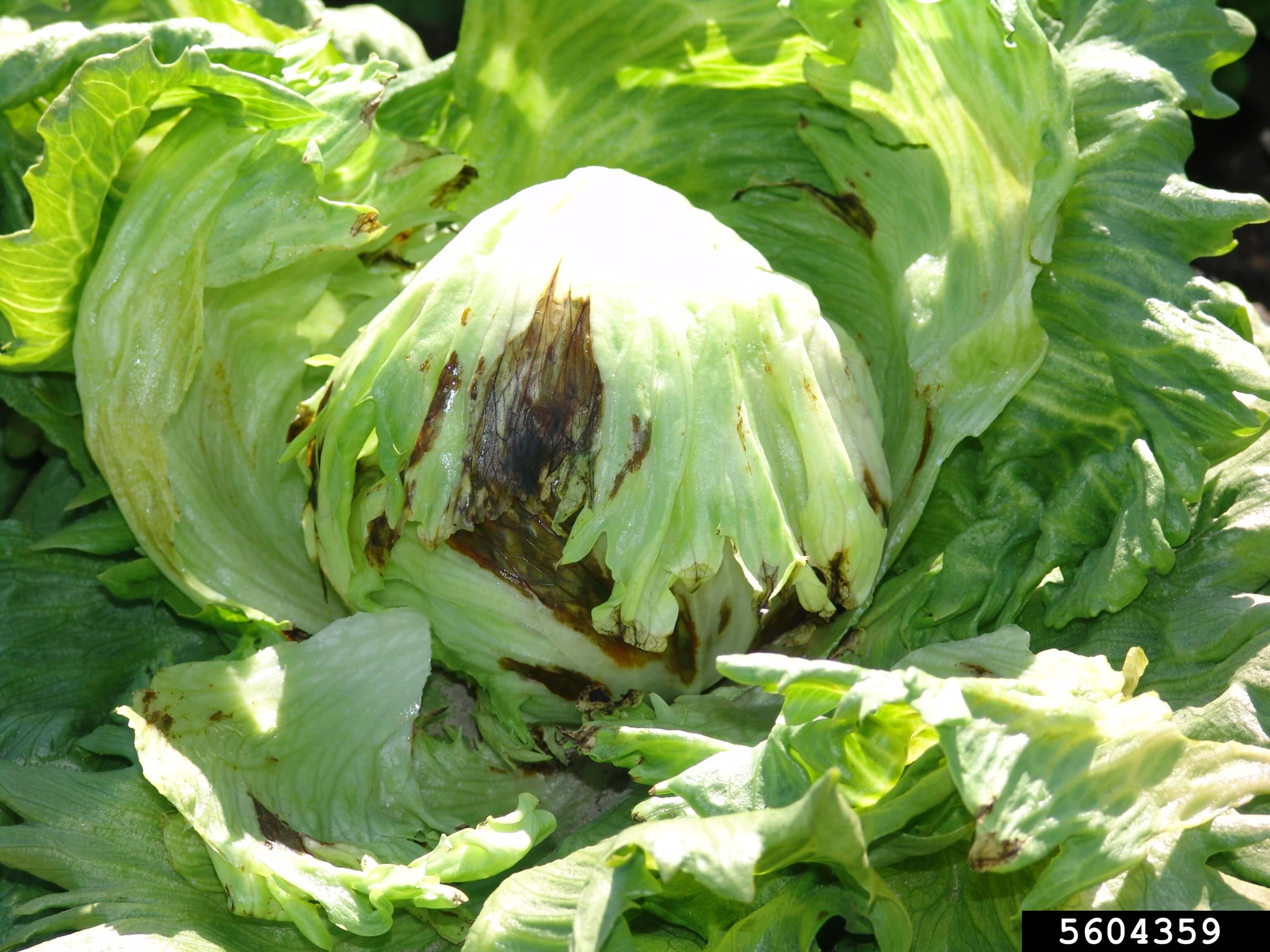
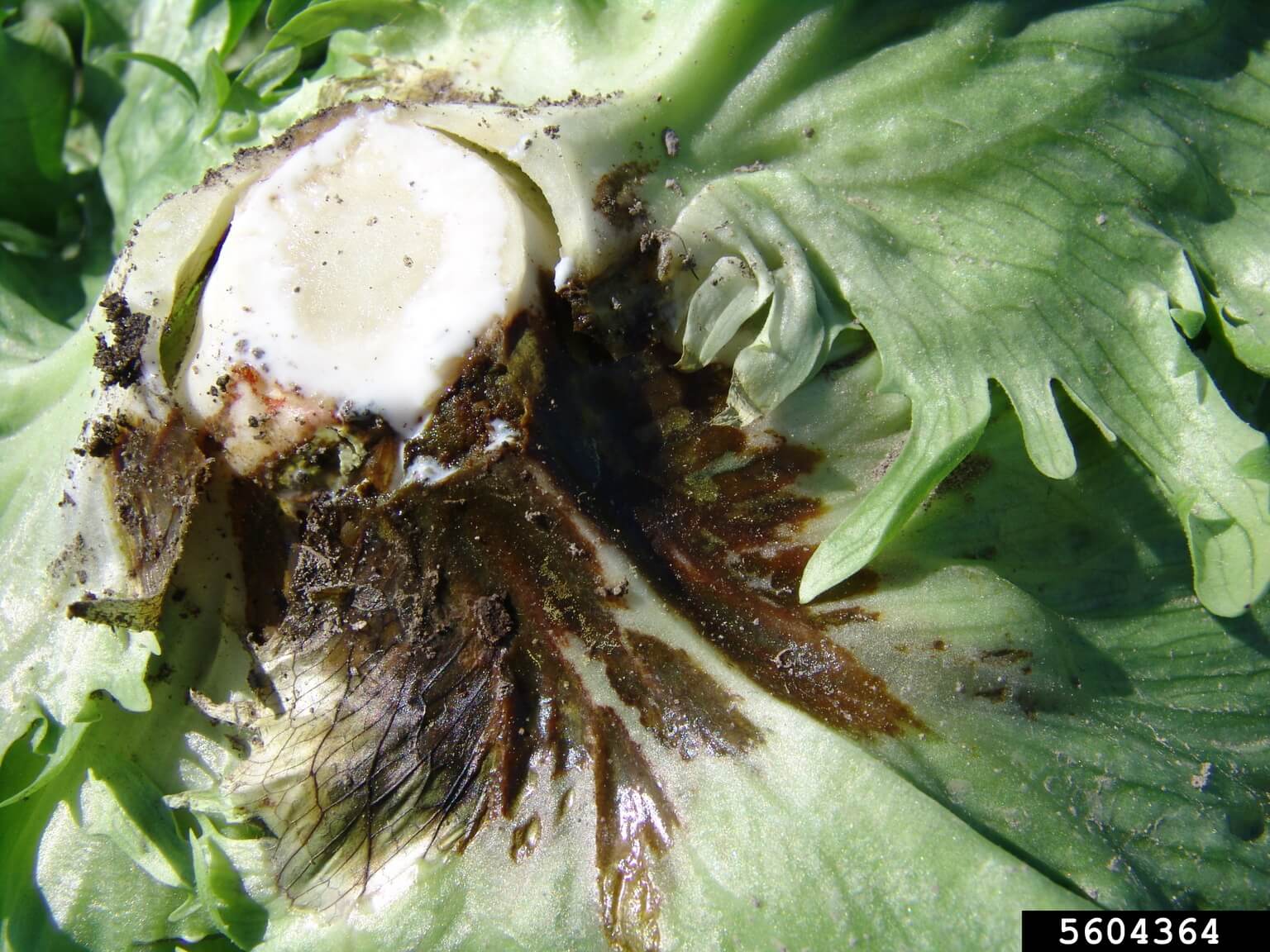
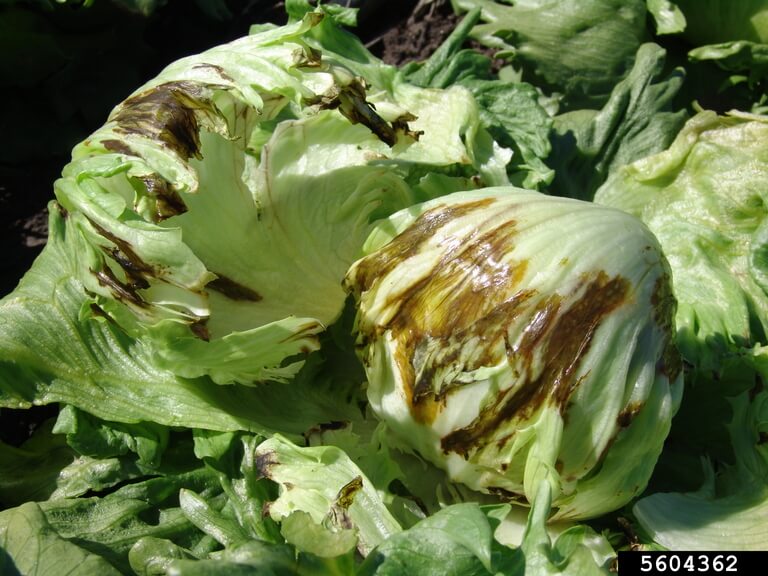
The disease caused by Pseudomonas cichorii, known as vein disease or varnish spot, mainly affects the leaves and veins of the plant. This disease is characterized by the appearance of dark, watery Taches that eventually become necrotic and varnished in appearance. These lesions can coalesce, causing a significant reduction in the photosynthetic capacity and vigor of the plant.
- Dark, watery Taches on the leaves
- Necrotic lesions with a varnished appearance
- Darkening and necrosis of the veins
- Premature defoliation
- Reduction in plant growth and vigor
- Desiccation of affected tissues


TEMPERATURE AND HUMIDITY
20-25°C
80-100%

HOW IS IT SPREAD?
Aerial spores, Rainwater, Agricultural tools, Remains of infected plants, Infected seeds

HOW TO REMOVE IT?
Home remedies
There are no home treatments
Chemical treatments
• FOSETIL-AL 80% [WG] P/P
• CUPRIC HYDROXIDE 20% (EXPR. IN CU) [WG] P/P
• CUPRIC HYDROXIDE 25% (EXPR. IN CU) [WG] P/P
• CUPRIC HYDROXIDE 30% (EXPR. IN CU) [WG] P/P
• CUPRIC HYDROXIDE 35% (EXPR. IN CU) [WG] P/P
• CUPRIC HYDROXIDE 36% (EXPR. IN CU) [SC] P/V
• CUPRIC HYDROXIDE 50% (EXPR. IN CU) [WG] P/P
• CUPRIC HYDROXIDE 50% (EXPR. IN CU) [WP] P/P
• COPPER OXYCHLORIDE (Exp. in Cu) 52% [SC] P/V
• COPPER OXYCHLORIDE 30% (EXPR. IN CU) [WP] P/P
• COPPER OXYCHLORIDE 35% (exp. in Cu) [WG] P/P
• COPPER OXYCHLORIDE 35% (EXPR. IN CU) [WG] P/P
• COPPER OXYCHLORIDE 37.5% (EXPR. IN CU) [WG] P/P
• COPPER OXYCHLORIDE 38% (EXPR. IN CU) [SC] P/V
• COPPER OXYCHLORIDE 50% (EXPR. IN CU) [WG] P/P
• COPPER OXYCHLORIDE 50% (EXPR. IN CU) [WP] P/P
• COPPER OXYCHLORIDE 52% (EXPR. IN CU) [SC] P/V
• COPPER OXYCHLORIDE 70% (EXPR. IN CU) [SC] P/V
• CUPROUS OXIDE 50% (EXPR. IN CU) [WP] P/P
• CUPROUS OXIDE 75% (EXPR. IN CU) [WG] P/P
• CUPROCALCIC SULFATE 12.4% (EXPR. IN CU) [SC] P/V
• CUPROCALCIC SULFATE 20% (EXPR. IN CU) [WG] P/P
• CUPROCALCIC SULFATE 20% (EXPR. IN CU) [WP] P/P
• CUPROCALCIC SULFATE 20% (EXPR. IN CU) [WG] P/P
• CUPROCALCIC SULFATE 20% [WP] P/P
• TRIBASIC COPPER SULFATE 19% (EXPR. IN CU) [SC] P/V
• TRIBASIC COPPER SULFATE 40% (EXPR. IN CU) [WG] P/P
Authorized treatments in organic farming
• CUPRIC HYDROXIDE 20% (EXPR. IN CU) [WG] P/P
• CUPRIC HYDROXIDE 25% (EXPR. IN CU) [WG] P/P
• CUPRIC HYDROXIDE 30% (EXPR. IN CU) [WG] P/P
• CUPRIC HYDROXIDE 35% (EXPR. IN CU) [WG] P/P
• CUPRIC HYDROXIDE 36% (EXPR. IN CU) [SC] P/V
• CUPRIC HYDROXIDE 50% (EXPR. IN CU) [WG] P/P
• CUPRIC HYDROXIDE 50% (EXPR. IN CU) [WP] P/P
• COPPER OXYCHLORIDE (Exp. in Cu) 52% [SC] P/V
• COPPER OXYCHLORIDE 30% (EXPR. IN CU) [WP] P/P
• COPPER OXYCHLORIDE 35% (exp. in Cu) [WG] P/P
• COPPER OXYCHLORIDE 35% (EXPR. IN CU) [WG] P/P
• COPPER OXYCHLORIDE 37.5% (EXPR. IN CU) [WG] P/P
• COPPER OXYCHLORIDE 38% (EXPR. IN CU) [SC] P/V
• COPPER OXYCHLORIDE 50% (EXPR. IN CU) [WG] P/P
• COPPER OXYCHLORIDE 50% (EXPR. IN CU) [WP] P/P
• COPPER OXYCHLORIDE 52% (EXPR. IN CU) [SC] P/V
• COPPER OXYCHLORIDE 70% (EXPR. IN CU) [SC] P/V
• CUPROUS OXIDE 50% (EXPR. IN CU) [WP] P/P
• CUPROUS OXIDE 75% (EXPR. IN CU) [WG] P/P
• CUPROCALCIC SULFATE 12.4% (EXPR. IN CU) [SC] P/V
• CUPROCALCIC SULFATE 20% (EXPR. IN CU) [WG] P/P
• CUPROCALCIC SULFATE 20% (EXPR. IN CU) [WP] P/P
• CUPROCALCIC SULFATE 20% (EXPR. IN CU) [WG] P/P
• CUPROCALCIC SULFATE 20% [WP] P/P
• TRIBASIC COPPER SULFATE 19% (EXPR. IN CU) [SC] P/V
• TRIBASIC COPPER SULFATE 40% (EXPR. IN CU) [WG] P/P
Insect allies
PREDATORY MITES
LADYBUGS
LACEWINGS
PARASITIC WASPS
HOVERFLIES OR PARASITIC FLIES
PREDATORY BUGS
There are no natural allies
Mycodiplosis oidii (predatory mosquito)
EFFECTIVE PRODUCTS TO ELIMINATE THIS DISEASE
Sponsored link
Sponsored link


Sponsored link
Sponsored link
Sponsored link


Sponsored link
Sponsored link
Effective against all types of fungi

Sponsored link


Sponsored link
Sponsored link

Sponsored link


Sponsored link
- Use certified pathogen-free seeds.
- Implement crop rotation with species not susceptible to Pseudomonas cichorii.
- Remove and destroy remains of infected crops to reduce inoculum in the soil.
- Maintain good ventilation in the crop to reduce relative humidity.
- Avoid sprinkler irrigation and prefer drip irrigation systems to reduce foliar humidity.
- Apply preventive and curative bactericides in accordance with technical recommendations.
- Disinfect agricultural tools and equipment to prevent the spread of bacteria.
- Practice proper fertilization and soil management to maintain healthy plants.
- Regularly monitor plants to detect disease symptoms early and act quickly.
Recommendations

Enjoy idMicrobe TOTALLY FREE, with no trial periods.


