

Fusariosis
Gibberella/Fusarium rot or corn lodging: what it is, how it occurs, and how to effectively eliminate it.
Gibberella/Fusarium Rot Or Corn Lodging
Gibberella Zeae
Pathogen:
Fungus
Type:
Risk to the plant:
HIGH

DESCRIPTION
WHO CAUSES IT?
Gibberella zeae, also known as Fusarium graminearum, is a pathogenic fungus that seriously affects various crops, including corn. This fungus spreads mainly through spores that are dispersed through the air and water, contaminating healthy plants. Infection begins when spores come into contact with corn tissues, usually through wounds or natural openings in the plant. Once inside, the fungus quickly colonizes the internal tissues, producing mycelium and sporangia that allow its multiplication. During favorable conditions of high humidity and moderate temperatures, the fungus produces sexually reproducing structures called perithecia, which release ascospores capable of surviving in soil and plant debris during the winter. This ability to perennialize in plant residues and infected soils allows Gibberella zeae to initiate new infections in the following growing season, perpetuating its presence and impact on corn.
SYMPTOMS
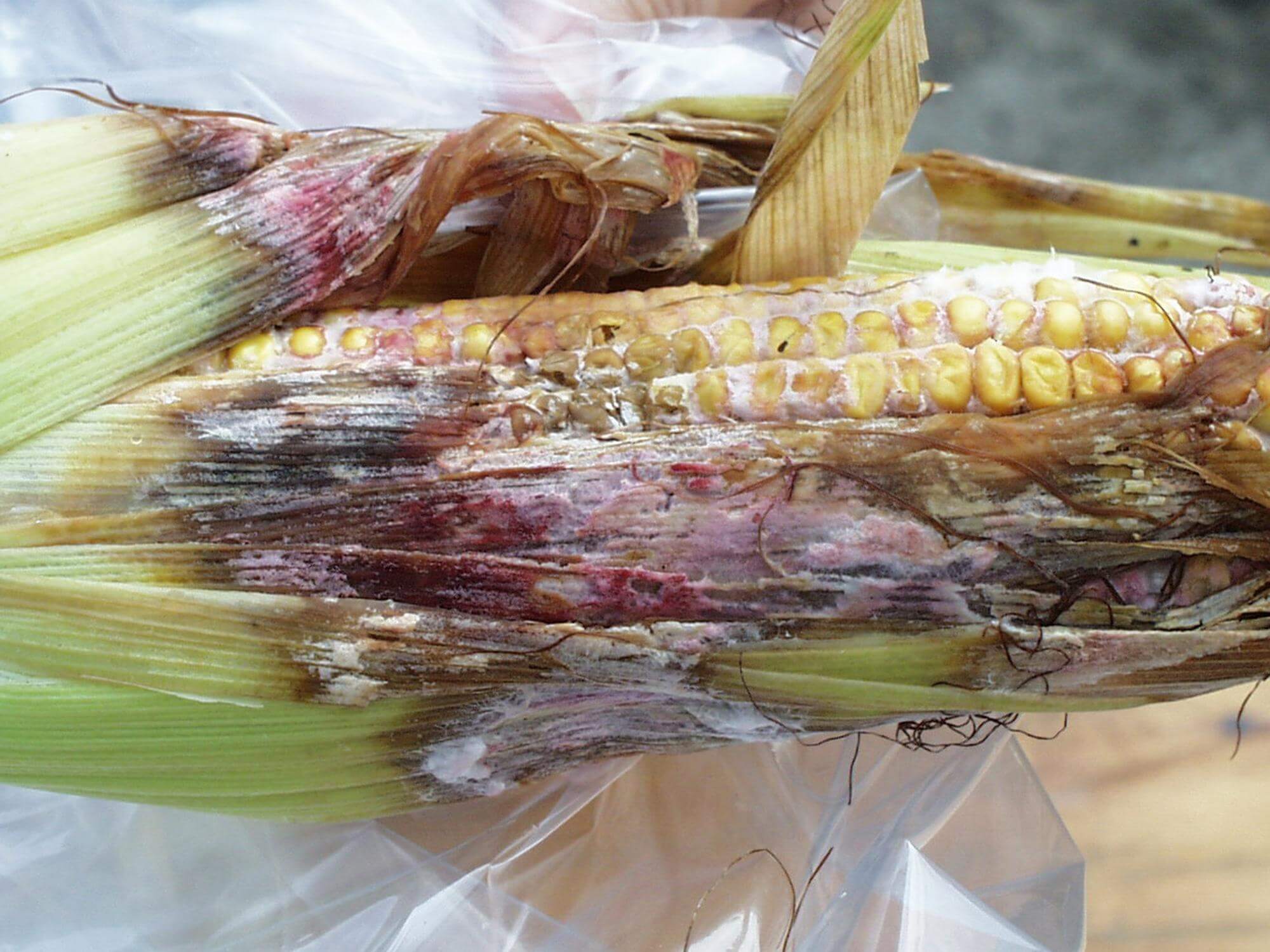
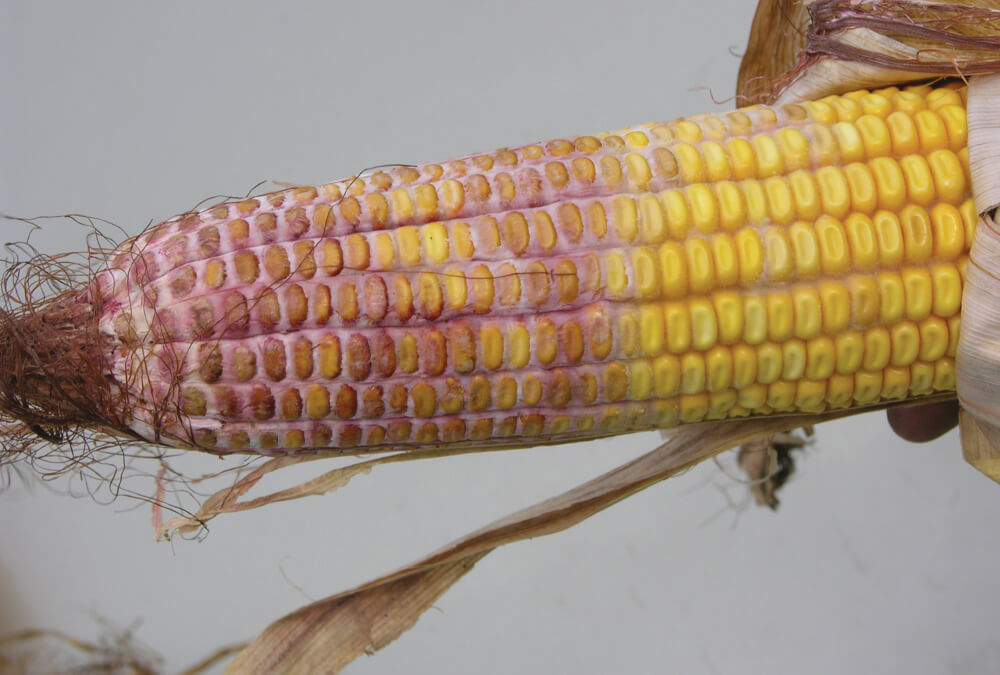
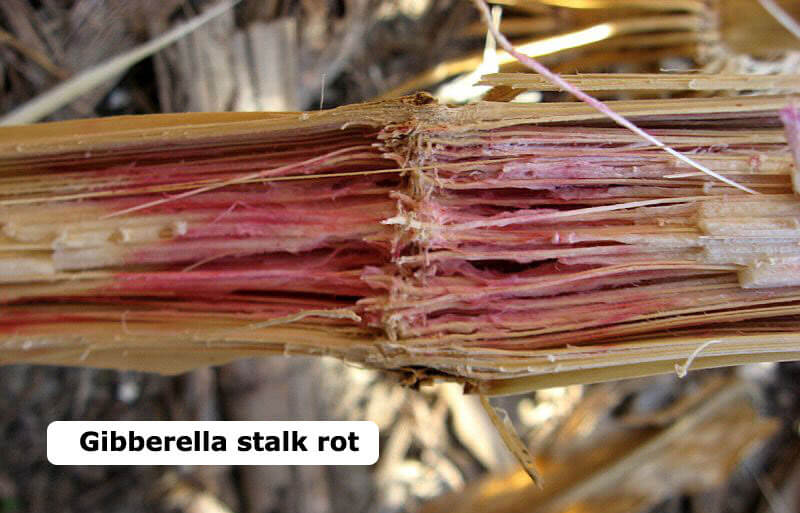
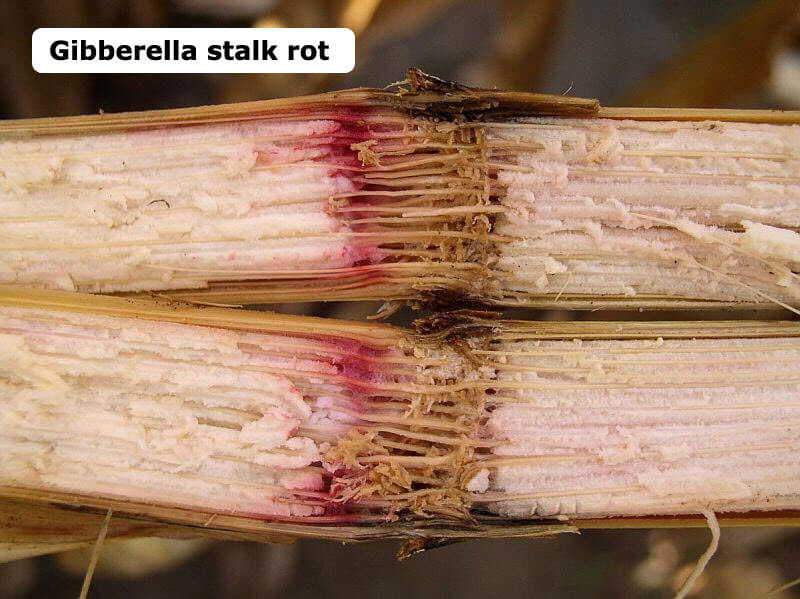
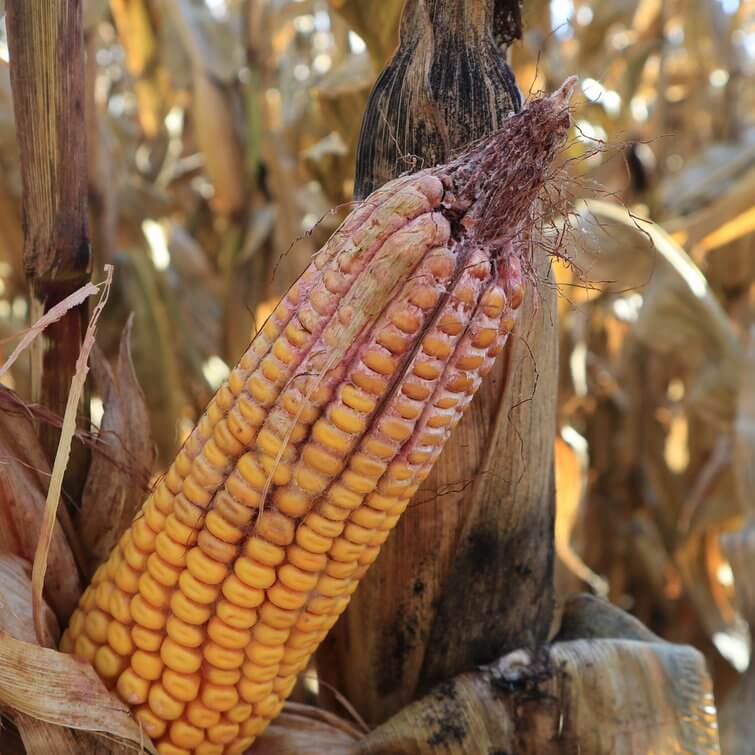
Gibberella rot, or corn lodging, is a disease that seriously weakens corn plants, affecting both the quality and yield of crops. The infection can manifest itself at different stages of corn development, beginning with Taches and discoloration on the leaves and stems. As the disease progresses, the fungus invades the ears and root system, causing widespread decay.
- Brown or reddish Taches on leaves and stems.
- Discoloration and rot of the ears.
- Formation of pink or white mold on the ears.
- Weak and decomposed roots.
- Premature fall of plants (overturning).
- Significant decrease in crop yield.

TEMPERATURE AND HUMIDITY
20°C - 30°C
80% - 100%

HOW IS IT SPREAD?
Air spores, irrigation water, infected plant residues, contaminated seeds, agricultural tools

HOW TO REMOVE IT?
Home remedies
There are no home treatments
Chemical treatments
• AZOXISTROBIN 25% [SC] P/V
• POTASSIUM HYDROGEN CARBONATE 85% [SG] P/P
Authorized treatments in organic farming
• POTASSIUM HYDROGEN CARBONATE 85% [SG] P/P
Insect allies
PREDATORY MITES
LADYBUGS
LACEWINGS
PARASITIC WASPS
HOVERFLIES OR PARASITIC FLIES
PREDATORY BUGS
There are no natural allies
Mycodiplosis oidii (predatory mosquito)
EFFECTIVE PRODUCTS TO ELIMINATE THIS DISEASE
Sponsored link

Sponsored link


Sponsored link
Sponsored link
Sponsored link


Sponsored link
Sponsored link
Effective against all types of fungi

Sponsored link


Sponsored link
Sponsored link

Sponsored link


Sponsored link
- Select corn varieties resistant to Gibberella zeae.
- Implement crop rotation, avoiding planting corn in the same field for several consecutive years.
- Practice adequate waste management, eliminating and destroying infected crop remains.
- Ensure good ventilation and drainage in corn fields to reduce excessive humidity.
- Apply preventive and curative fungicides following agronomic recommendations and treatment thresholds.
- Regularly monitor crops to detect disease symptoms early and apply control measures.
- Maintain adequate irrigation management to avoid excess moisture in the soil.
- Use certified pathogen-free seeds to prevent the introduction of Gibberella zeae in the field.
Recommendations

Enjoy idMicrobe TOTALLY FREE, with no trial periods.


