

Pulgones
Aphids
Aphis Spiraecola, A. Gossypii, A. Citricola, Toxoptera Aurantii, Myzus Persicae
Pathogen:
Insect
Type:
Risk to the plant:
HIGH

DESCRIPTION
WHO CAUSES IT?
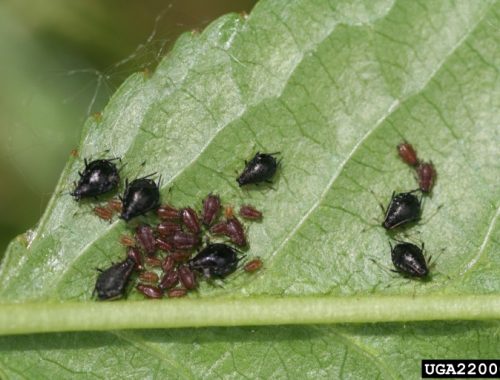
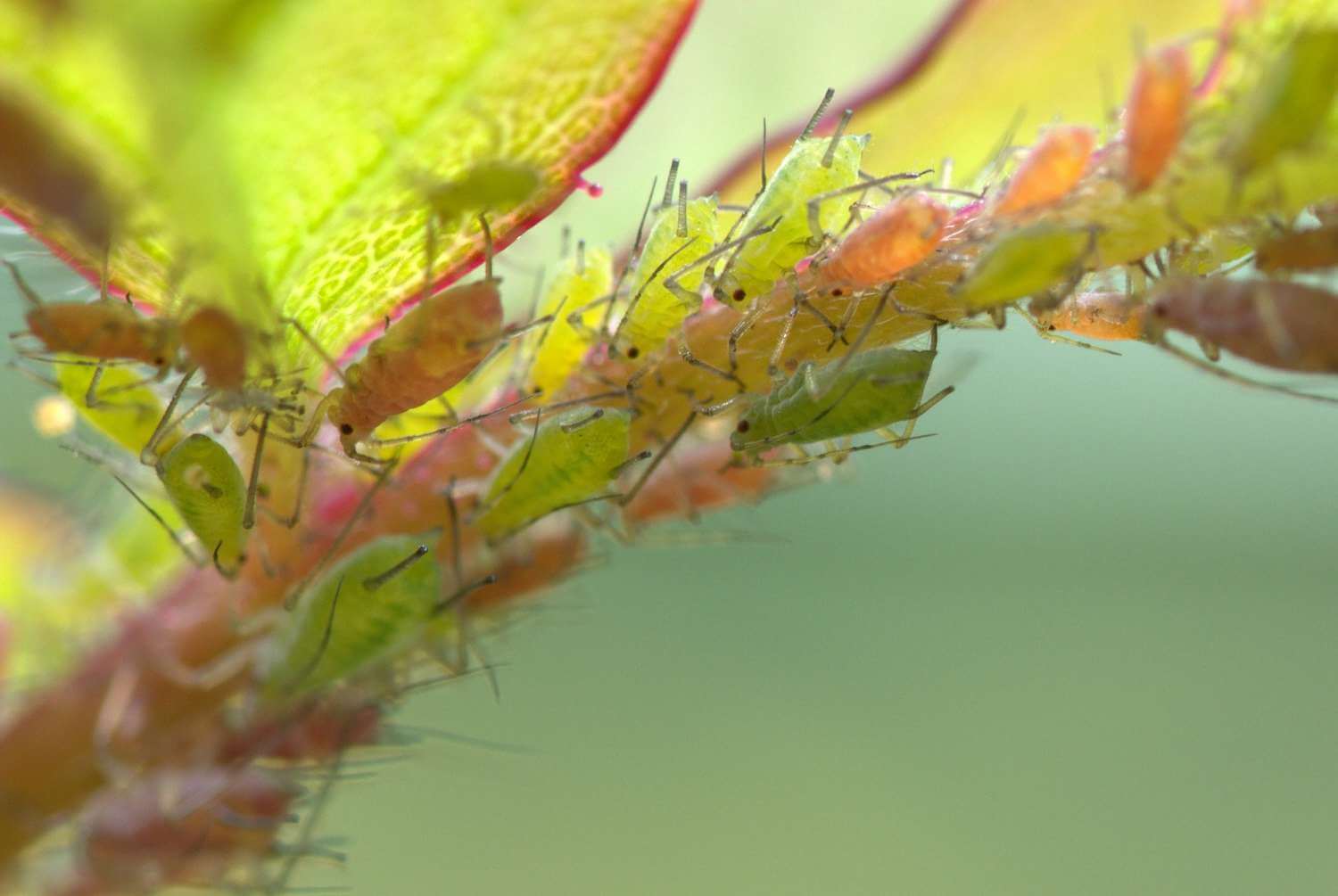
Aphids are small, soft-bodied insects belonging to various species such as Aphis spiraecola, A. gossypii, A. citricola, Toxoptera aurantii and Myzus persicae. These pathogens have a high capacity to reproduce, especially under favorable conditions. They can reproduce both sexually and asexually (parthenogenesis). During the warm months, parthenogenetic females predominate, giving birth to live young without the need for mating. These insects can also develop wings in response to high population densities or decreased food quality, facilitating their dispersal to new host plants. In autumn, some aphids produce sexual males and females that mate and lay cold-resistant eggs, ensuring survival through the winter.
SYMPTOMS
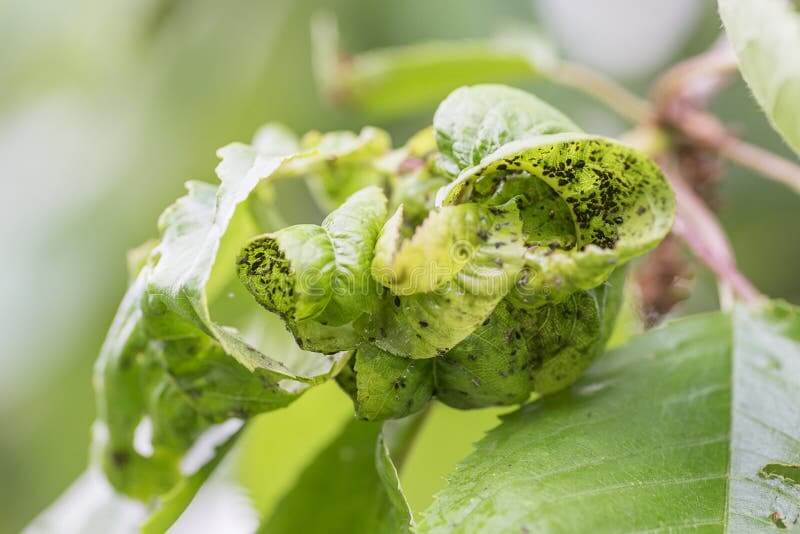
In berries, aphid infestation can cause serious damage by affecting the health of the plants and the quality of the fruits. Aphids feed by piercing plant tissues and sucking sap, which weakens plants and can transmit phytopathogenic viruses. The honeydew secretions produced by aphids also promote the growth of fungi such as sooty mold, which reduces photosynthesis and damages the appearance of fruits. These infections can severely weaken plants, reducing yield and crop quality.
- Rolled and deformed leaves
- Presence of sticky honeydew on leaves and fruits
- Development of sooty mold on affected surfaces
- Dampening plant growth
- Appearance of yellowish Taches or chlorosis on the leaves
- Reduction in the size and quality of the fruits
- Visible presence of aphid colonies on tender shoots and young leaves


TEMPERATURE AND HUMIDITY
15-25°C
70-90%

HOW IS IT SPREAD?
Wind, contaminated tools, infected plants, insect vectors, movements of soil and waste, active dispersal of adults

HOW TO REMOVE IT?
Home remedies
There are no home treatments
Chemical treatments
• RAPE OIL 1.53% [AL] P/V
• PARAFFIN OIL (CAS [8042-47-5]) 54.6% [EW] P/V
• PARAFFIN OIL (CAS [97862-82-3]) 80% [EC] P/V
• AZADIRACTIN 1% (AS AZADIRACTIN A) [EC] P/V
• Azadirachtin 2.6% (AS AZADIRACTIN A) [EC] P/V
• FLUPYRADIFURONE 20% [SL] P/V
• LAMBDA CYHALOTHRIN 1.5% [CS] P/V
• LAMBDA CYHALOTHRIN 10% [CS] P/V
• LAMBDA CYHALOTHRIN 2.5% [WG] P/P
• MALTODEXTRIN 47.6% [SL] P/V
• PYRETHRINS 4.65% (as pyrethrum extract) [EC] P/V
• POTASSIUM SALTS OF FATTY ACIDS C14-C20 48% [EW] P/V
• SPIROTETRAMAT 10% [SC] P/V
• ADHESIVE TRAP
• CHROMATIC TRAP
Authorized treatments in organic farming
• RAPE OIL 1.53% [AL] P/V
• PARAFFIN OIL (CAS [8042-47-5]) 54.6% [EW] P/V
• PARAFFIN OIL (CAS [97862-82-3]) 80% [EC] P/V
• AZADIRACTIN 1% (AS AZADIRACTIN A) [EC] P/V
• Azadirachtin 2.6% (AS AZADIRACTIN A) [EC] P/V
• LAMBDA CYHALOTHRIN 1.5% [CS] P/V
• LAMBDA CYHALOTHRIN 10% [CS] P/V
• LAMBDA CYHALOTHRIN 2.5% [WG] P/P
• MALTODEXTRIN 47.6% [SL] P/V
• PYRETHRINS 4.65% (as pyrethrum extract) [EC] P/V
• POTASSIUM SALTS OF FATTY ACIDS C14-C20 48% [EW] P/V
• ADHESIVE TRAP
• CHROMATIC TRAP
Insect allies
PREDATORY MITES
LADYBUGS
LACEWINGS
PARASITIC WASPS
HOVERFLIES OR PARASITIC FLIES
PREDATORY BUGS
There are no natural allies
Mycodiplosis oidii (predatory mosquito)
EFFECTIVE PRODUCTS TO ELIMINATE THIS DISEASE
Sponsored link
Sponsored link
Sponsored link


Sponsored link
Sponsored link
Sponsored link
Sponsored link


Sponsored link
Sponsored link
Effective against all types of fungi

Sponsored link
Sponsored link


Sponsored link
Sponsored link

Sponsored link
Sponsored link


Sponsored link
- Regularly monitor crops to detect the early presence of aphids.
- Promote biodiversity by planting species that attract natural enemies such as ladybugs and lacewings.
- Implement crop rotations to interrupt the life cycle of aphids.
- Apply insecticidal oils and soaps to reduce populations without causing severe damage to crops.
- Use physical barriers such as fine mesh to protect young plants from infestation.
- Maintain crop hygiene by eliminating weeds and plant residues that may harbor aphids.
- Apply balanced fertilizers to avoid excess nitrogen, which can promote the growth of aphids.
- Carry out strategic pruning to eliminate infested parts and improve air circulation.
- Introduce biological controllers such as specific aphid parasitoids.
- Implement integrated pest management that combines cultural, biological and chemical methods.
Recommendations

Enjoy idMicrobe TOTALLY FREE, with no trial periods.


