

Pulgones
Aphid
Myzus Persicae, Aphis Gossypii, Macrosiphum Euphorbiae, Aulacorthum Solani
Pathogen:
Insect
Type:
Risk to the plant:
HIGH

DESCRIPTION
WHO CAUSES IT?
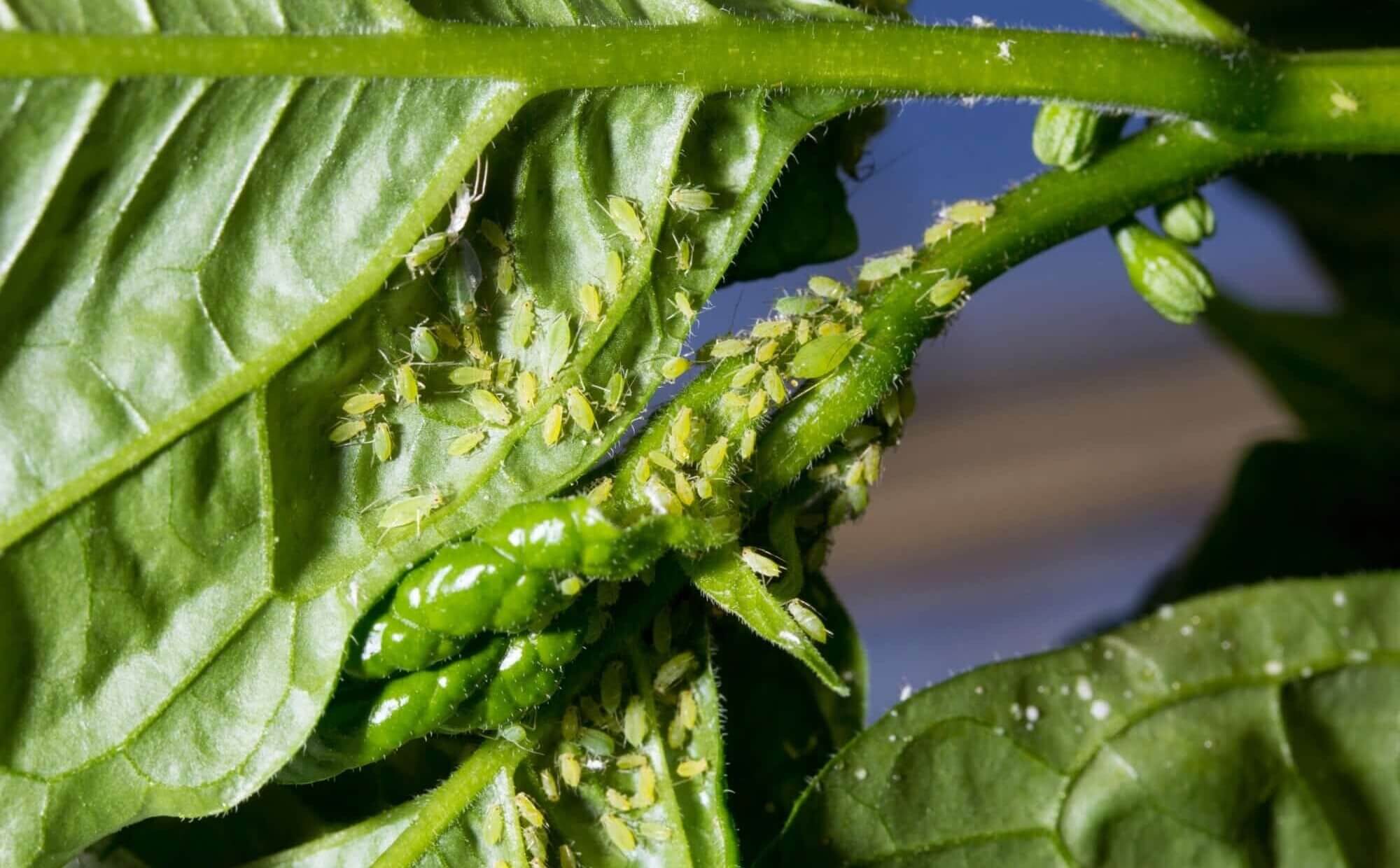
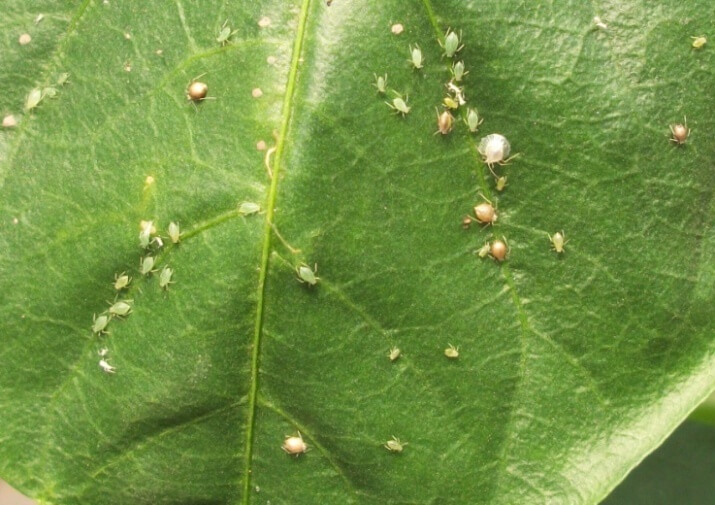
Myzus persicae, Aphis gossypii, Macrosiphum euphorbiae and Aulacorthum solani are species of aphids that affect pepper. These insects have a complex life cycle, with several generations per year. They begin as eggs that overwinter attached to the plant or in the soil. In spring, the eggs hatch into nymphs that quickly mature into adults. Adults can reproduce asexually through parthenogenesis, allowing rapid population increase. Adult females give birth to live nymphs, which do not go through an egg phase, and these nymphs develop into adults within days. Some adults develop wings and disperse to new host plants, expanding the infestation. In autumn, aphids produce sexual males and females that mate and lay eggs, completing the annual cycle.
SYMPTOMS
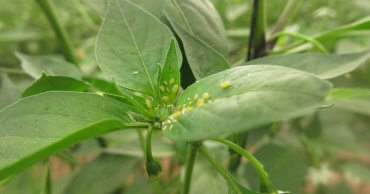
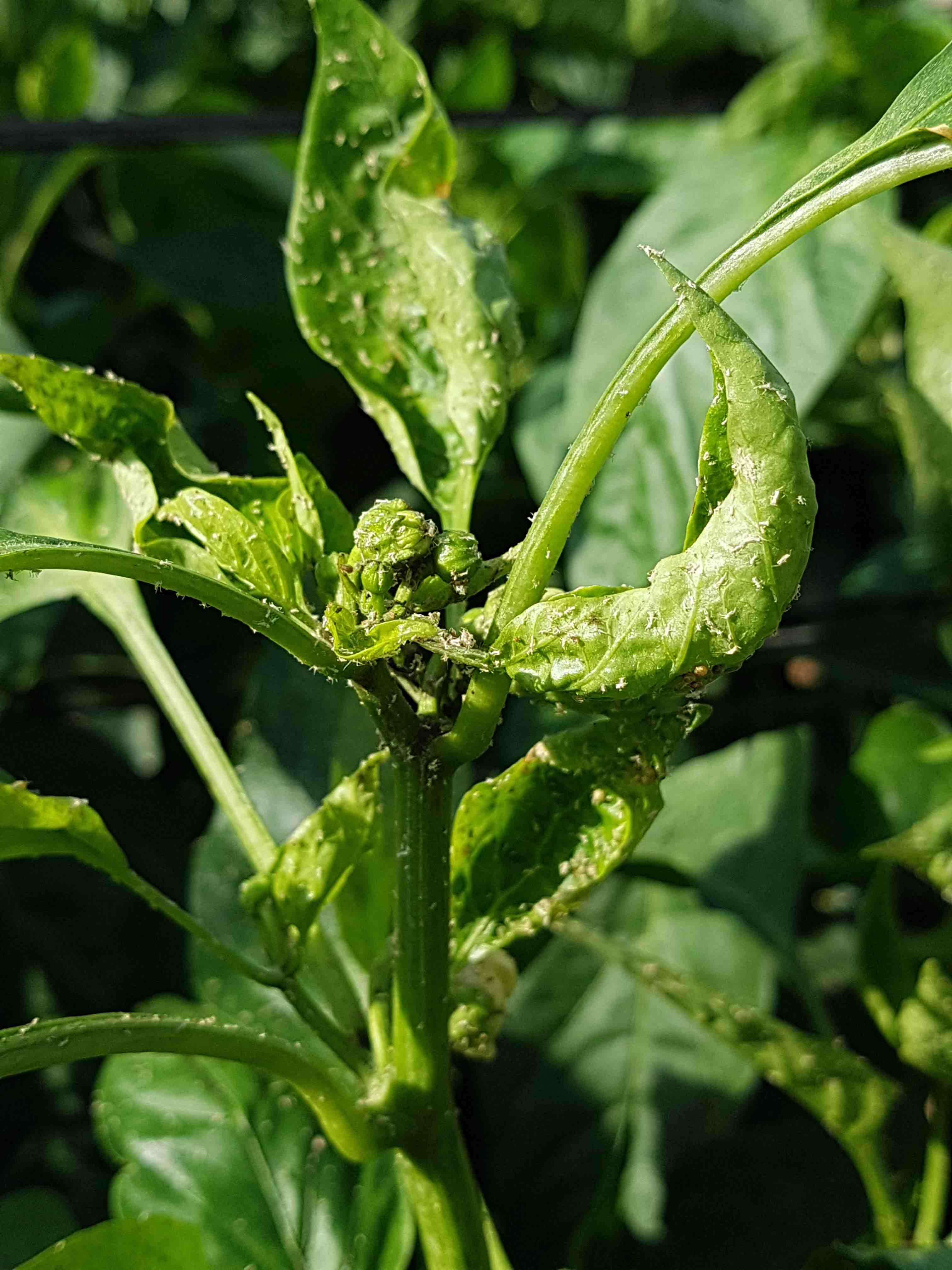
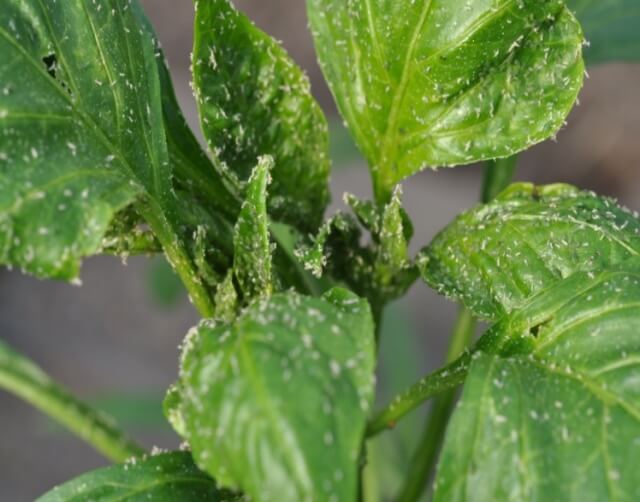
The aphid causes a disease in pepper that manifests itself with several distinctive symptoms. These insects suck the sap from plants, weakening them and reducing their growth. The infestation causes yellow Taches and deformations on the leaves, as well as the production of honeydew, a sticky substance that encourages the growth of sooty fungi. Additionally, aphids can transmit plant viruses, increasing damage to crops. The leaves curl and wrinkle, and the plant may appear generally wilted.
Yellow Taches on leaves
Deformations and curling of the leaves
Presence of sticky honeydew on the plant
Sooty fungus growth
Virus transmission
Wilted appearance of the plant

TEMPERATURE AND HUMIDITY
15°C - 25°C
70% - 85%

HOW IS IT SPREAD?
Wind, Direct contact with infected plants, Contaminated cultivation tools, Insect vectors

HOW TO REMOVE IT?
Home remedies
There are no home treatments
Chemical treatments
• PARAFFIN OIL (CAS [8042-47-5]) 54.6% [EW] P/V
• ACETAMIPRID 20% [SG] P/P
• ACETAMIPRID 20% [SL] P/V
• ACETAMIPRID 20% [SP] P/P
• AZADIRACTIN 1% (AS AZADIRACTIN A) [EC] P/V
• Azadirachtin 2.6% (AS AZADIRACTIN A) [EC] P/V
• CYANTRANILIPROL 20% [SC] P/V
• DELTAMETHRIN 1.57% [SC] P/V
• DELTAMETHRIN 10% [EC] P/V
• DELTAMETHRIN 2.5% [EC] P/V
• DELTAMETHRIN 2.5% [EW] P/V
• FLUPYRADIFURONE 20% [SL] P/V
• LAMBDA CYHALOTHRIN 1.5% [CS] P/V
• LAMBDA CYHALOTHRIN 10% [CS] P/V
• PYRETHRINS 1.9% [EC] P/V
• Pyrethrins 12.9 g/l [EC] P/V
• PYRETHRINS 2% (PYRETHRE EXTR.) [EC] P/V
• PYRETHRINS 2% [EC] P/V
• PYRETHRINS 4.65% (as pyrethrum extract) [EC] P/V
• PYRETHRINS 4% (PYRETHHRINE EXTR.) [EC] P/V
• PYRETHRINS 4% [EC] P/V
• PIRIMICARB 50% [WG] P/P
• POTASSIUM SALTS OF FATTY ACIDS C14-C20 48% [EW] P/V
• POTASSIUM SALTS OF VEGETABLE FATTY ACIDS 13.04% [SL] P/V
• SPIROTETRAMAT 15% [OD] P/V
• SULFOXAFLOR 12% [SC] P/V
Authorized treatments in organic farming
• PARAFFIN OIL (CAS [8042-47-5]) 54.6% [EW] P/V
• AZADIRACTIN 1% (AS AZADIRACTIN A) [EC] P/V
• Azadirachtin 2.6% (AS AZADIRACTIN A) [EC] P/V
• LAMBDA CYHALOTHRIN 1.5% [CS] P/V
• LAMBDA CYHALOTHRIN 10% [CS] P/V
• PYRETHRINS 1.9% [EC] P/V
• Pyrethrins 12.9 g/l [EC] P/V
• PYRETHRINS 2% (PYRETHRE EXTR.) [EC] P/V
• PYRETHRINS 2% [EC] P/V
• PYRETHRINS 4.65% (as pyrethrum extract) [EC] P/V
• PYRETHRINS 4% (PYRETHHRINE EXTR.) [EC] P/V
• PYRETHRINS 4% [EC] P/V
• POTASSIUM SALTS OF FATTY ACIDS C14-C20 48% [EW] P/V
• POTASSIUM SALTS OF VEGETABLE FATTY ACIDS 13.04% [SL] P/V
Insect allies
PREDATORY MITES
LADYBUGS
LACEWINGS
PARASITIC WASPS
HOVERFLIES OR PARASITIC FLIES
PREDATORY BUGS
There are no natural allies
Mycodiplosis oidii (predatory mosquito)
EFFECTIVE PRODUCTS TO ELIMINATE THIS DISEASE
Sponsored link

Sponsored link


Sponsored link
Sponsored link
Sponsored link


Sponsored link
Sponsored link
Effective against all types of fungi

Sponsored link


Sponsored link
Sponsored link

Sponsored link


Sponsored link
Use aphid-resistant pepper varieties.
Implement a crop rotation program to avoid the accumulation of aphids in the soil.
Maintain an adequate distance between plants to improve air circulation and reduce humidity.
Introduce natural predators of aphids, such as ladybugs and lacewings, to control the population biologically.
Apply horticultural oils and insecticidal soaps as a preventive and control treatment.
Carry out regular monitoring of crops to detect the presence of aphids early and act quickly.
Avoid excessive use of nitrogen fertilizers, as they promote the growth of tender tissues susceptible to aphids.
Use yellow sticky traps to monitor and reduce the aphid population by catching flying adults.
Recommendations

Enjoy idMicrobe TOTALLY FREE, with no trial periods.


