

Escarabajos
Flea
Chaetocnema Tibialis
Pathogen:
Insect
Type:
Risk to the plant:
INTERMEDIATE

DESCRIPTION
WHO CAUSES IT?
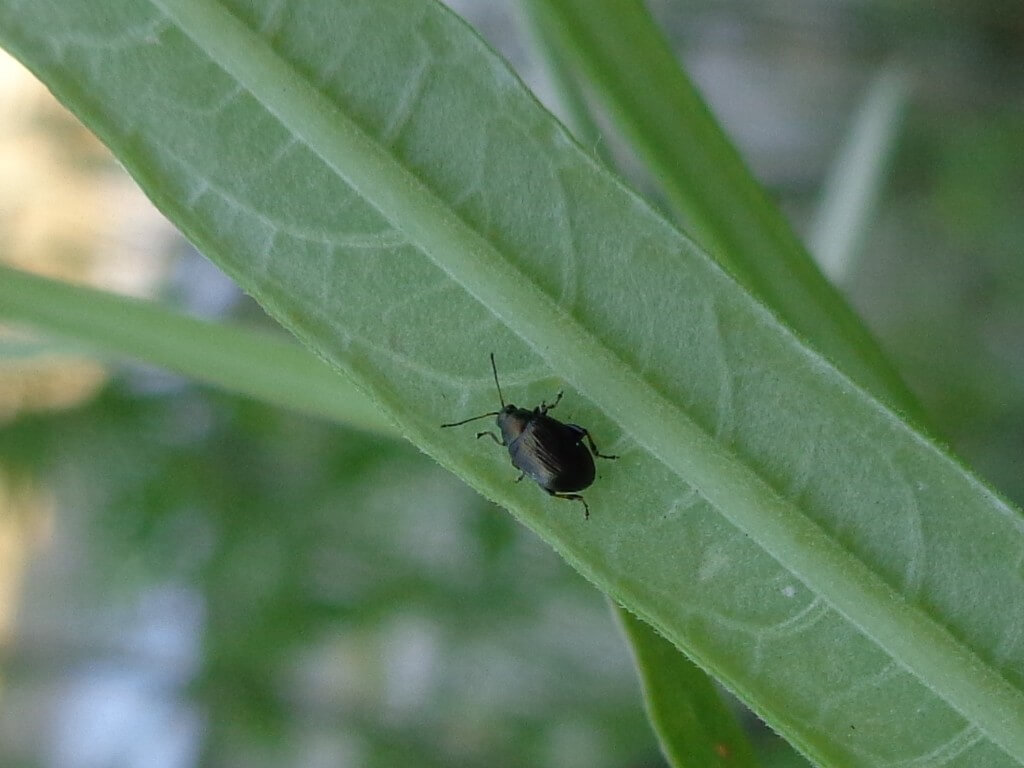
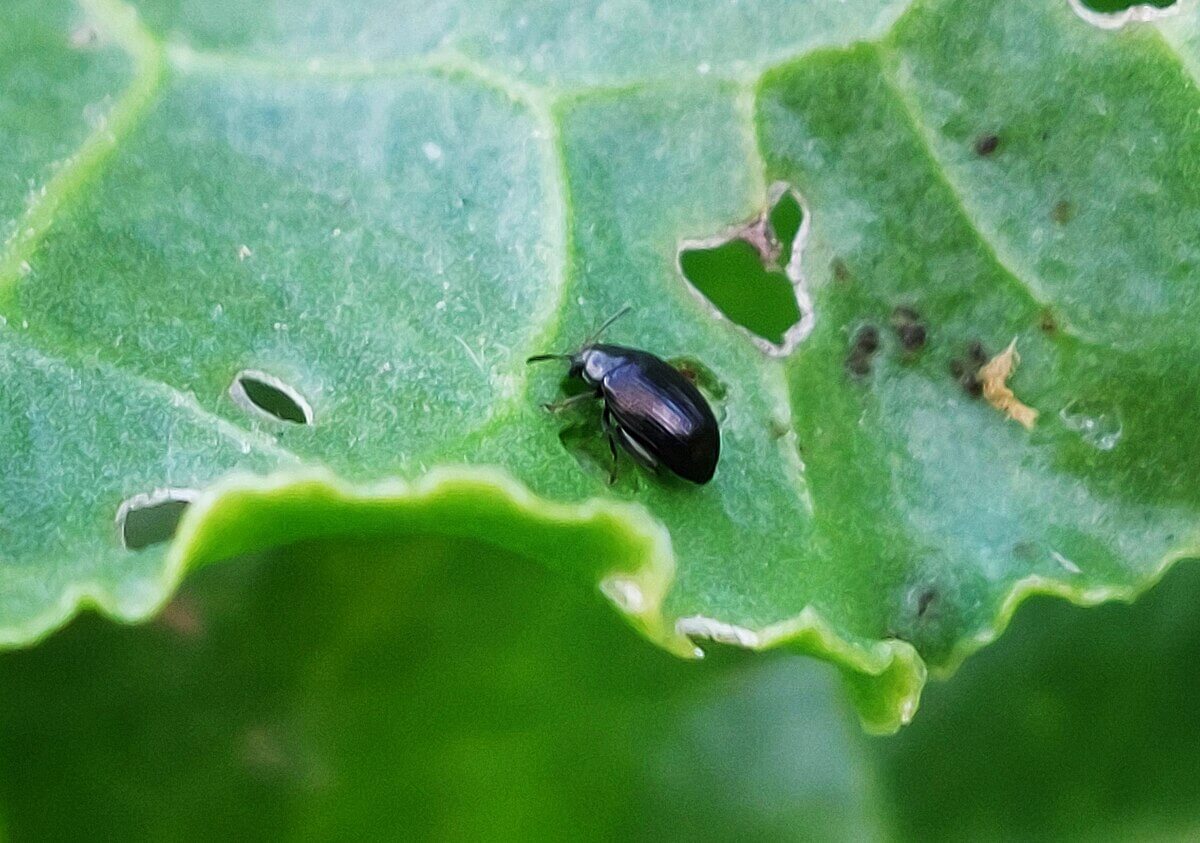
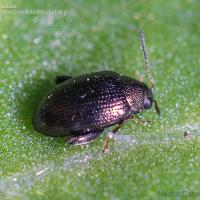
Chaetocnema tibialis, commonly known as the beet flea, is a small beetle of the family Chrysomelidae. Adults are shiny black with well-developed hind legs that allow them to jump great distances, similar to fleas. Adults emerge in spring and begin feeding on sugar beet leaves. Females lay their eggs in the soil near host plants. The larvae emerge and feed on the roots and collar of the plant, which can cause significant damage. Throughout their development, the larvae go through several molts before pupating in the soil. Finally, the adults emerge from the pupae to complete their cycle and, depending on the climate, there may be several generations in a year.
SYMPTOMS
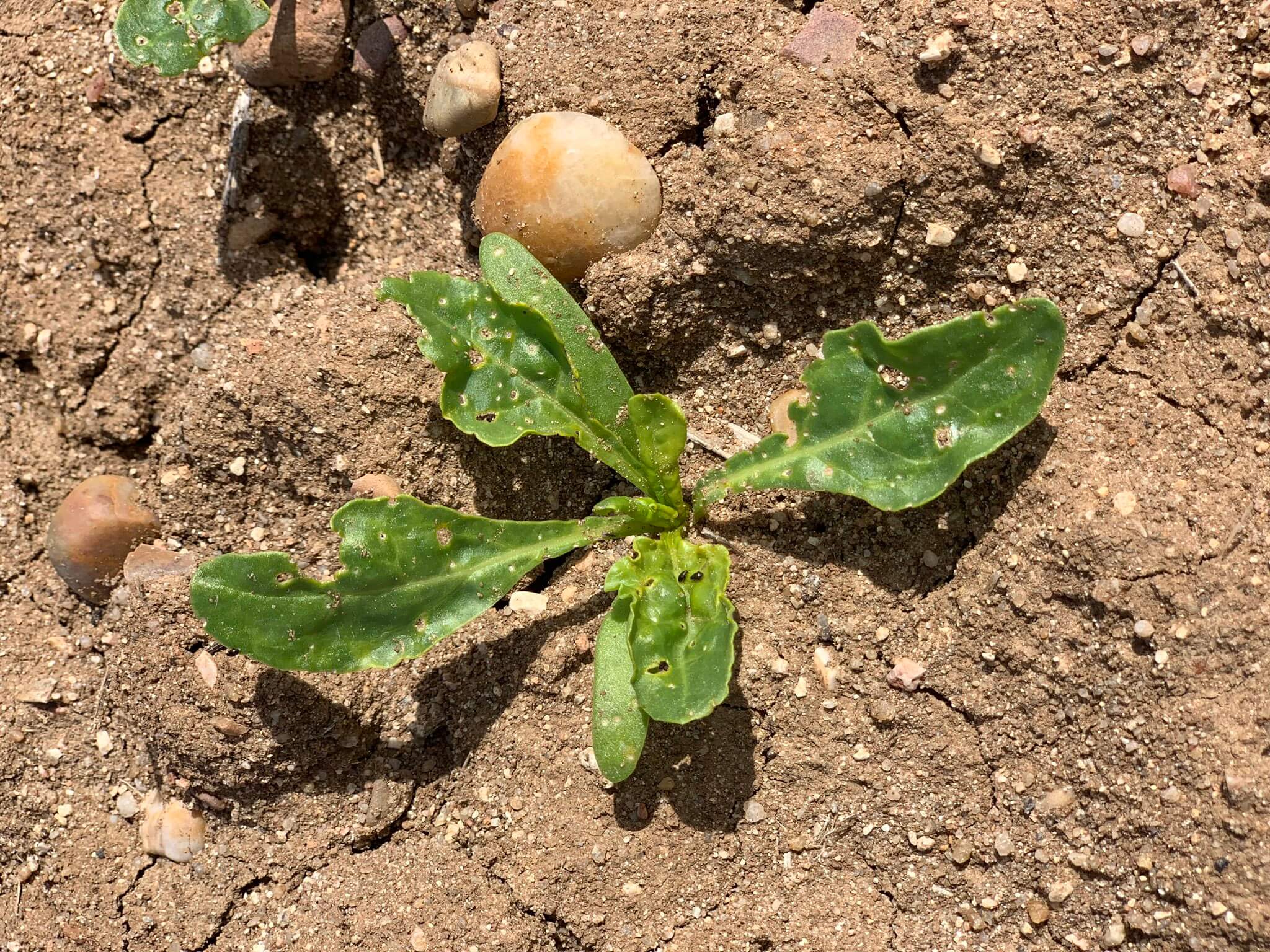
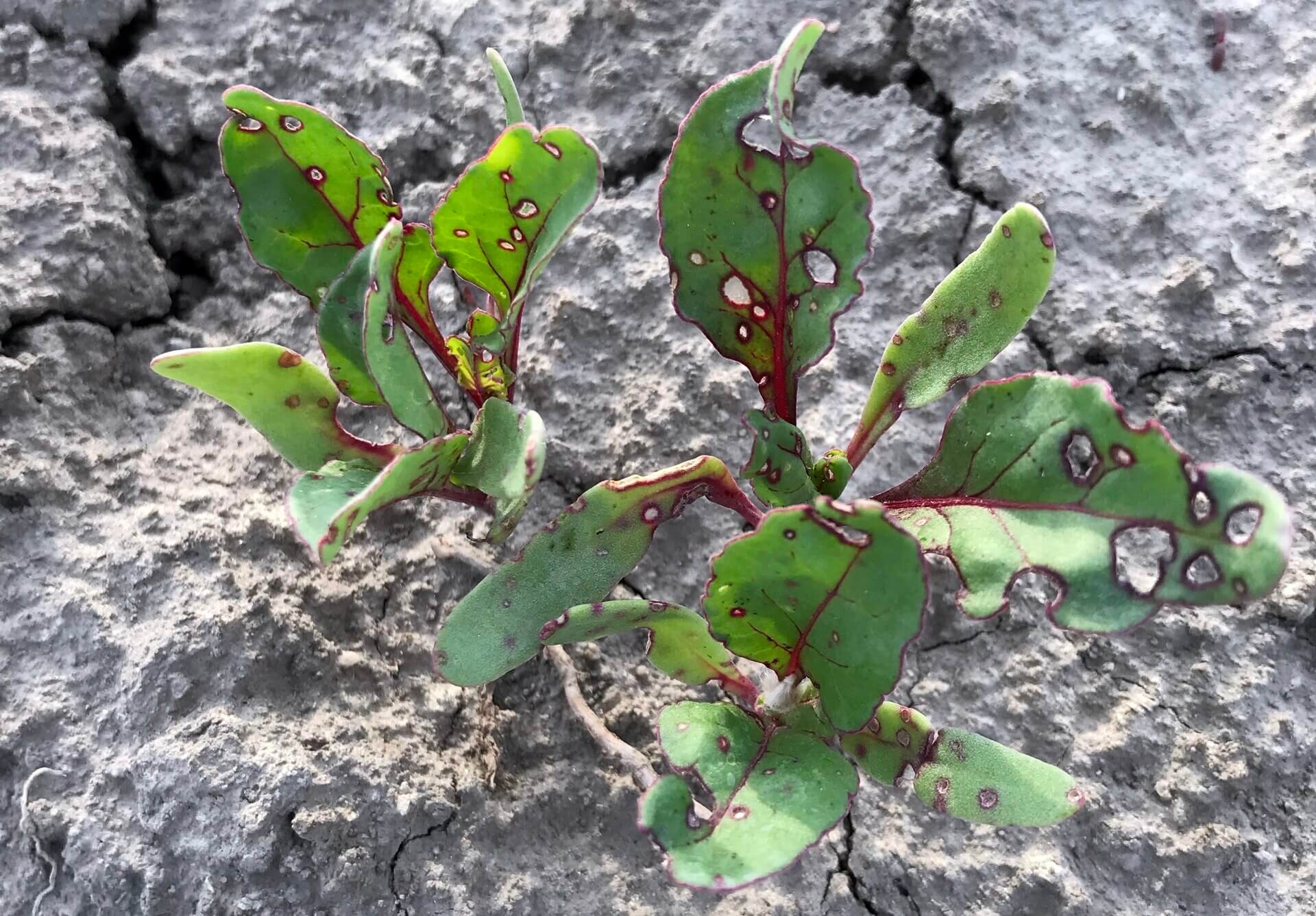
Chaetocnema tibialis infestation in sugar beet causes a disease known as flea beet. This disease is characterized by damage caused by both adults and larvae. The adults feed on the leaves, leaving small perforations that can affect the growth of the plant and reduce its photosynthetic capacity. The larvae, for their part, feed on the roots and neck of the plant, which can lead to general weakening and, in severe cases, the death of the plant.
- Leaves with small perforations and notches.
- Delayed plant growth.
- Weakening of the roots and neck of the plant.
- Yellowing of the leaves.
- Reduction in beet yield.
- In severe cases, death of young plants.

TEMPERATURE AND HUMIDITY
20°C - 30°C
50% - 70%

HOW IS IT SPREAD?
Wind, infested soil, movement of contaminated plants, contaminated agricultural machinery

HOW TO REMOVE IT?
Home remedies
There are no home treatments
Chemical treatments
• CYPERMETHRIN 50% [EC] P/V
• DELTAMETHRIN 1.57% [SC] P/V
• DELTAMETHRIN 10% [EC] P/V
• DELTAMETHRIN 2.5% [EC] P/V
• DELTAMETHRIN 2.5% [EW] P/V
• ESFENVALERATE 2.5% [EC] P/V
• ESFENVALERATE 5% [EC] P/V
• ESFENVALERATO 5% [EW] P/V
• LAMBDA CYHALOTHRIN 0.0015% [ME] P/V
• LAMBDA CYHALOTHRIN 1.5% [CS] P/V
• LAMBDA CYHALOTHRIN 10% [CS] P/V
• LAMBDA CYHALOTHRIN 10% [EC] P/V
• LAMBDA CYHALOTHRIN 2.5% [WG] P/P
• LAMBDA CYHALOTHRIN 5% [EG] P/P
• TEFLUTRIN 0.5% [GR] P/P
Authorized treatments in organic farming
• LAMBDA CYHALOTHRIN 0.0015% [ME] P/V
• LAMBDA CYHALOTHRIN 1.5% [CS] P/V
• LAMBDA CYHALOTHRIN 10% [CS] P/V
• LAMBDA CYHALOTHRIN 10% [EC] P/V
• LAMBDA CYHALOTHRIN 2.5% [WG] P/P
• LAMBDA CYHALOTHRIN 5% [EG] P/P
Insect allies
PREDATORY MITES
LADYBUGS
LACEWINGS
PARASITIC WASPS
HOVERFLIES OR PARASITIC FLIES
PREDATORY BUGS
There are no natural allies
Mycodiplosis oidii (predatory mosquito)
EFFECTIVE PRODUCTS TO ELIMINATE THIS DISEASE
Sponsored link

Sponsored link


Sponsored link
Sponsored link
Sponsored link


Sponsored link
Sponsored link
Effective against all types of fungi

Sponsored link


Sponsored link
Sponsored link

Sponsored link


Sponsored link
- Carry out a crop rotation to interrupt the beetle cycle.
- Keep the field clean of remains of previous crops that could harbor larvae.
- Regularly monitor fields in spring to detect the early presence of adults.
- Use sticky traps to capture and monitor the adult population.
- Encourage the presence of natural enemies, such as ladybugs and parasitoids, which help control flea populations.
- Apply insecticide treatments when adult populations exceed economic damage thresholds.
- Use physical barriers such as fine mesh to protect young crops from initial infestation.
- Water properly to keep plants strong and reduce stress that makes them more susceptible to damage.
- Implement integrated pest management that combines cultural, biological and chemical methods for greater effectiveness.
Recommendations

Enjoy idMicrobe TOTALLY FREE, with no trial periods.


