

Phytophthora
Black Radish Root
Aphanomyces Raphari
Pathogen:
Oomycete
Type:
Risk to the plant:
HIGH
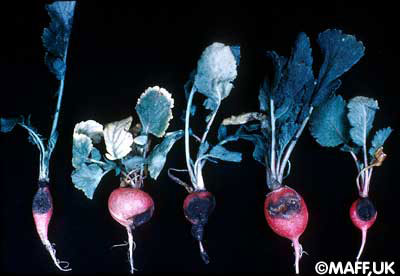
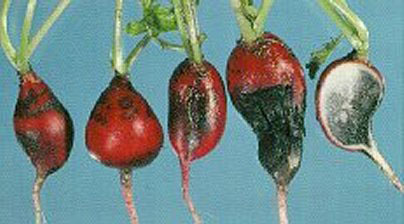

DESCRIPTION
WHO CAUSES IT?
Aphanomyces raphani is an oomycete that causes the disease known as black radish root. This pathogen has a complex life cycle that includes the formation of motile spores called zoospores, which are released into the soil from specialized structures called sporangia. Once in the soil, the zoospores can swim to the roots of radish plants, where they infect and colonize the tissues, causing characteristic symptoms of the disease.
SYMPTOMS
The black root of radish causes root rot, which leads to widespread wilting of the plant. General symptoms include poor plant growth, wilting of leaves, yellowing, and eventual plant death.
- Root rot
- Generalized wilting of the plant
- Poor growth
- Leaf wilting
- Yellowing of the leaves
- Possible death of the plant
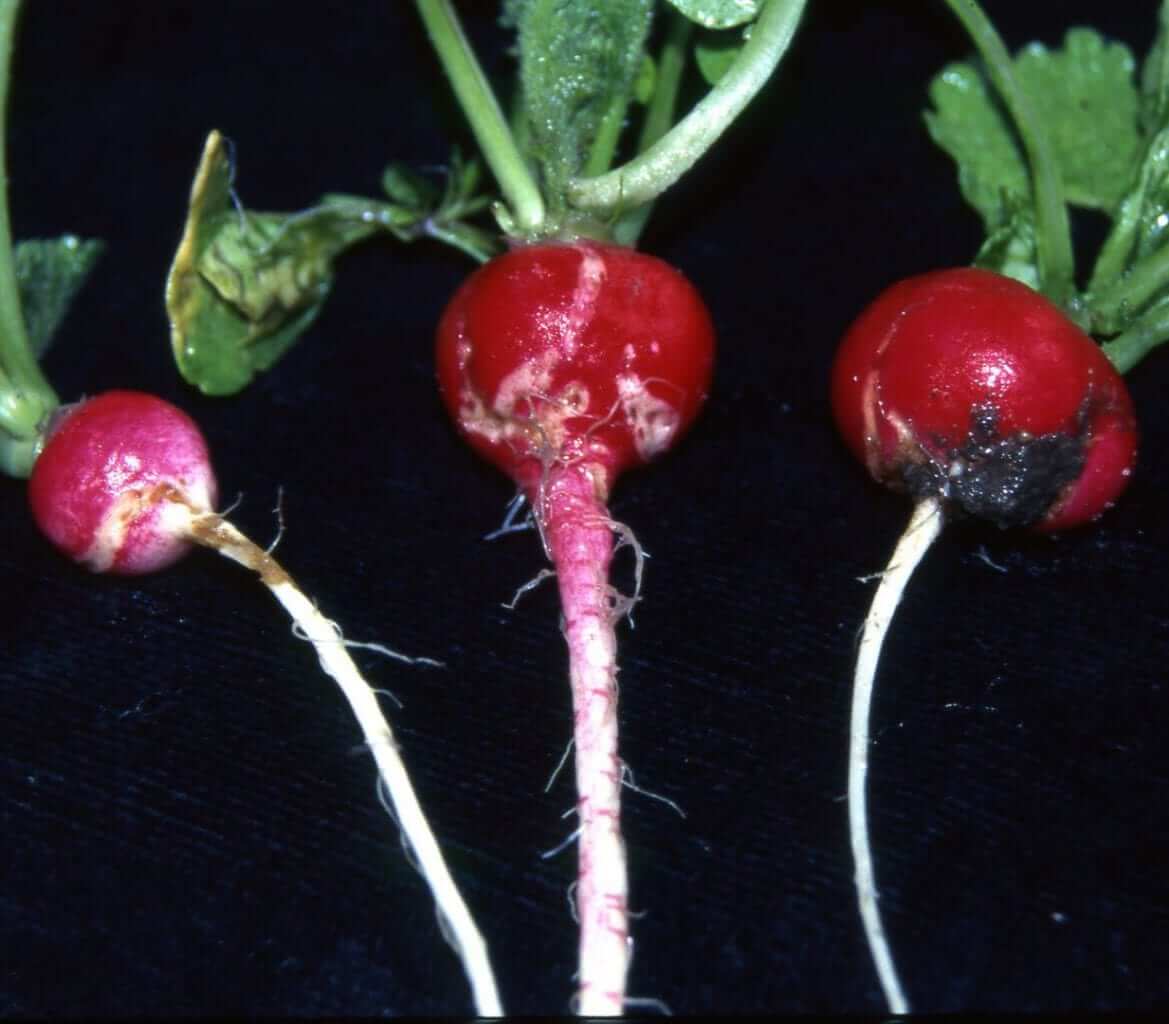


TEMPERATURE AND HUMIDITY
15°C - 25°C
70% - 90%

HOW IS IT SPREAD?
Irrigation water, Contaminated soil, Infected plant remains, Contaminated agricultural tools, Infected seeds

HOW TO REMOVE IT?
Home remedies
There are no home treatments
Chemical treatments
• COPPER OXYCHLORIDE 35% (EXPR. IN CU) [WG] P/P
• COPPER OXYCHLORIDE 50% (EXPR. IN CU) [WP] P/P
• CUPROCALCIC SULFATE 12.4% (EXPR. IN CU) [SC] P/V
• CUPROCALCIC SULFATE 20% (EXPR. IN CU) [WG] P/P
Authorized treatments in organic farming
• COPPER OXYCHLORIDE 35% (EXPR. IN CU) [WG] P/P
• COPPER OXYCHLORIDE 50% (EXPR. IN CU) [WP] P/P
• CUPROCALCIC SULFATE 12.4% (EXPR. IN CU) [SC] P/V
• CUPROCALCIC SULFATE 20% (EXPR. IN CU) [WG] P/P
Insect allies
PREDATORY MITES
LADYBUGS
LACEWINGS
PARASITIC WASPS
HOVERFLIES OR PARASITIC FLIES
PREDATORY BUGS
There are no natural allies
Mycodiplosis oidii (predatory mosquito)
EFFECTIVE PRODUCTS TO ELIMINATE THIS DISEASE
Sponsored link
Sponsored link


Sponsored link
Sponsored link
Sponsored link


Sponsored link
Sponsored link
Effective against all types of fungi

Sponsored link


Sponsored link
Sponsored link

Sponsored link


Sponsored link
- Use crop rotation practices to reduce the accumulation of inoculum in the soil.
- Plant varieties resistant or tolerant to Aphanomyces raphani whenever possible.
- Avoid overwatering to reduce soil moisture, as this pathogen thrives in humid conditions.
- Improve soil drainage to prevent water stagnation around the roots.
- Disinfect gardening tools to prevent the spread of the pathogen between plants.
- Eliminate and destroy infected plants to reduce the source of inoculum in the field.
Recommendations

Enjoy idMicrobe TOTALLY FREE, with no trial periods.


