

Royas
Black rust or stem rust: what it is, how it originates, and how to eliminate it effectively.
Black Rust Or Stem Rust
Puccinia Graminis
Pathogen:
Fungus
Type:
Risk to the plant:
HIGH

DESCRIPTION
WHO CAUSES IT?
Puccinia graminis is a phytopathogenic fungus that causes the disease known as black rust or stem rust in cereal crops. The life cycle of this fungus is complex and involves two hosts: cereals and an alternative host plant, usually a shrub or herbaceous plant. The fungus produces various spore forms throughout its cycle, including asexual spores (uredospores) that infect cereal plants and sexual spores (teliospores) that develop on the alternative host.
SYMPTOMS
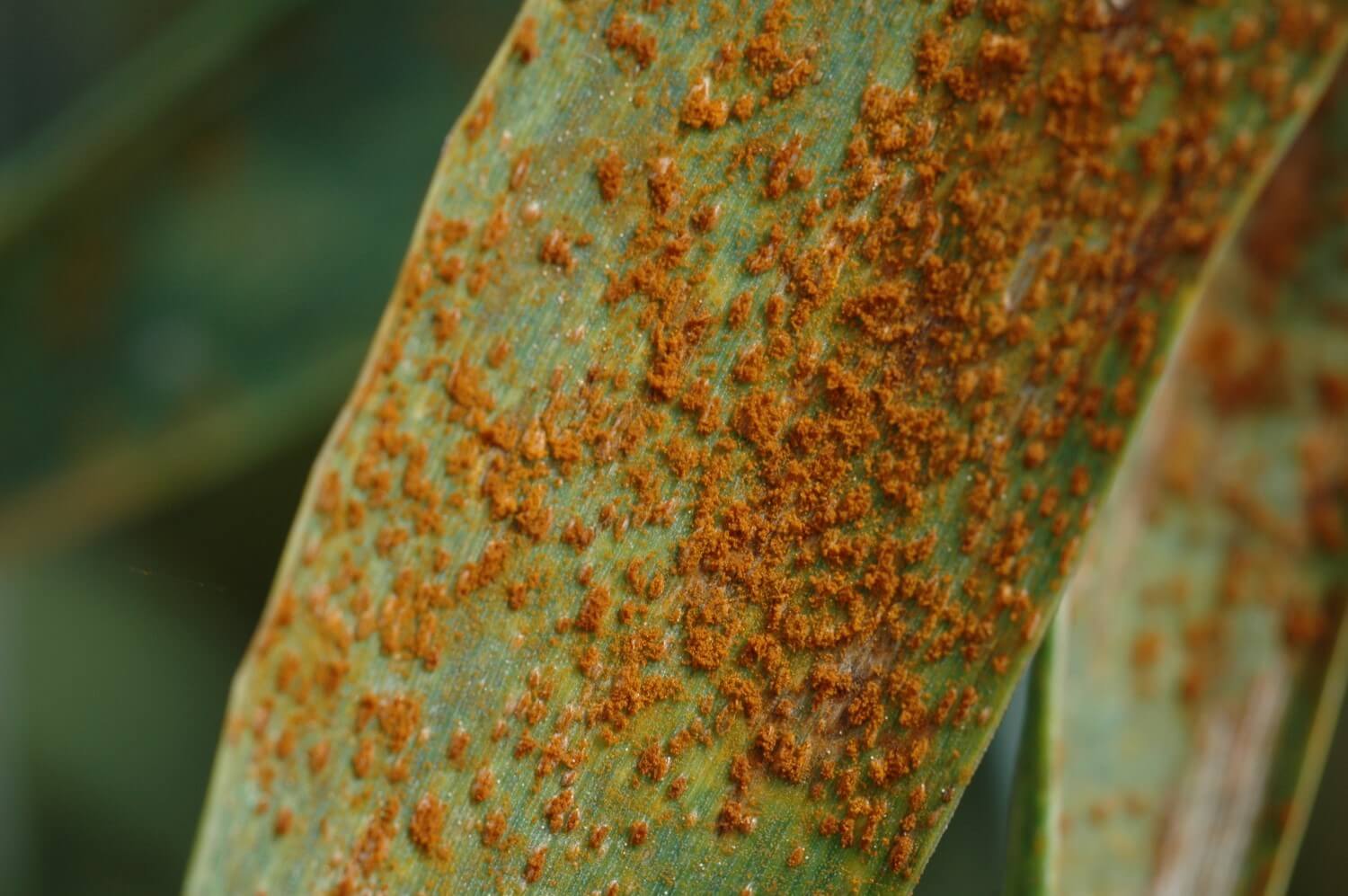
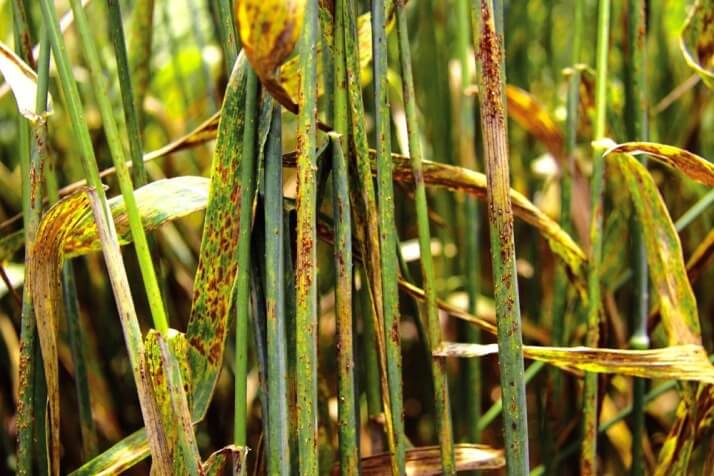
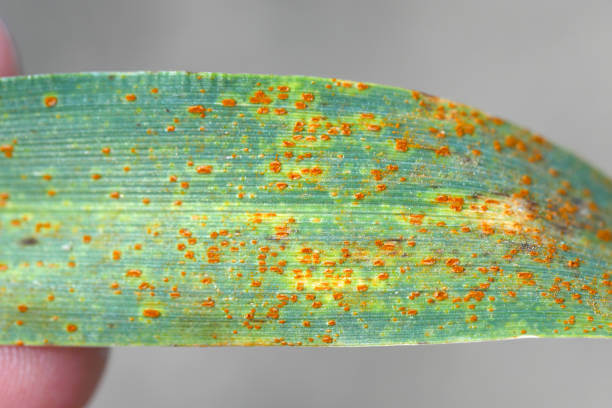
Black rust produces lesions on the stems, leaves and ears of cereals. Symptoms include black, raised pustules on plants, which contain the spores of the fungus. These pustules can cause tissue damage and weaken the plant, which can result in a decrease in crop yield.
• Black, raised pustules on stems, leaves and spikes.
• Damage to cereal plant tissues.
• Reduction in crop yield.


TEMPERATURE AND HUMIDITY
15°C - 30°C
70% - 100%

HOW IS IT SPREAD?
Wind-borne spores, direct contact with infected plants, alternative host.

HOW TO REMOVE IT?
Home remedies
There are no home treatments
Chemical treatments
• AZOXISTROBIN 25% [SC] P/V
Authorized treatments in organic farming
-
Insect allies
PREDATORY MITES
LADYBUGS
LACEWINGS
PARASITIC WASPS
HOVERFLIES OR PARASITIC FLIES
PREDATORY BUGS
There are no natural allies
Mycodiplosis oidii (predatory mosquito)
EFFECTIVE PRODUCTS TO ELIMINATE THIS DISEASE
Sponsored link
Sponsored link


Sponsored link
Sponsored link
Sponsored link


Sponsored link
Sponsored link
Effective against all types of fungi

Sponsored link


Sponsored link
Sponsored link

Sponsored link


Sponsored link
• Use cereal varieties resistant to Puccinia graminis.
• Apply specific fungicides at critical moments of crop development.
• Regularly monitor crops for early signs of the disease.
• Practice crop rotation to interrupt the life cycle of the fungus.
• Eliminate the alternative host in the vicinity of cereal crops.
• Maintain good hygiene in cultivation tools to prevent spread.
Recommendations

Enjoy idMicrobe TOTALLY FREE, with no trial periods.


