


Orugas o gusanos
Worms: what they are, how they originate, and how to eliminate them effectively
Worms
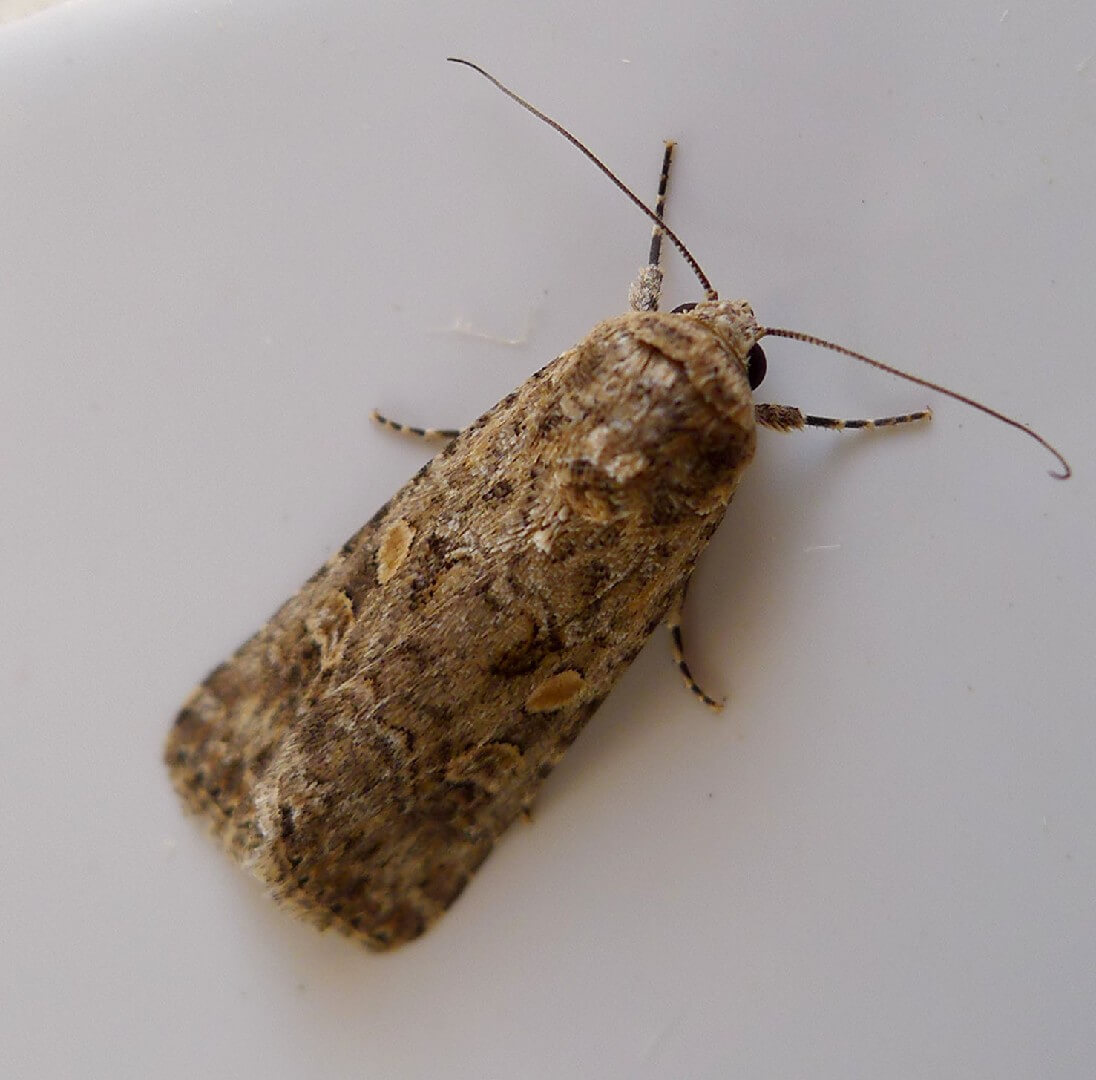
Spodoptera Frugiperda, Helicoverpa Zea, Agrotis Ípsilon, Argyrotaenia Sp. ,Etc...
Pathogen:
Insect
Type:
Risk to the plant:
HIGH
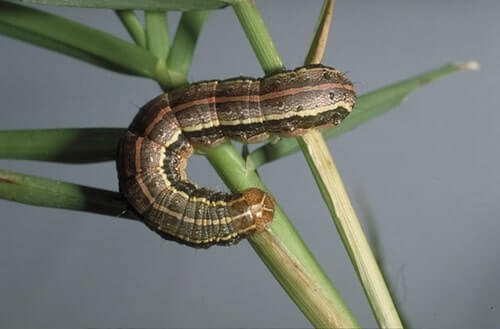
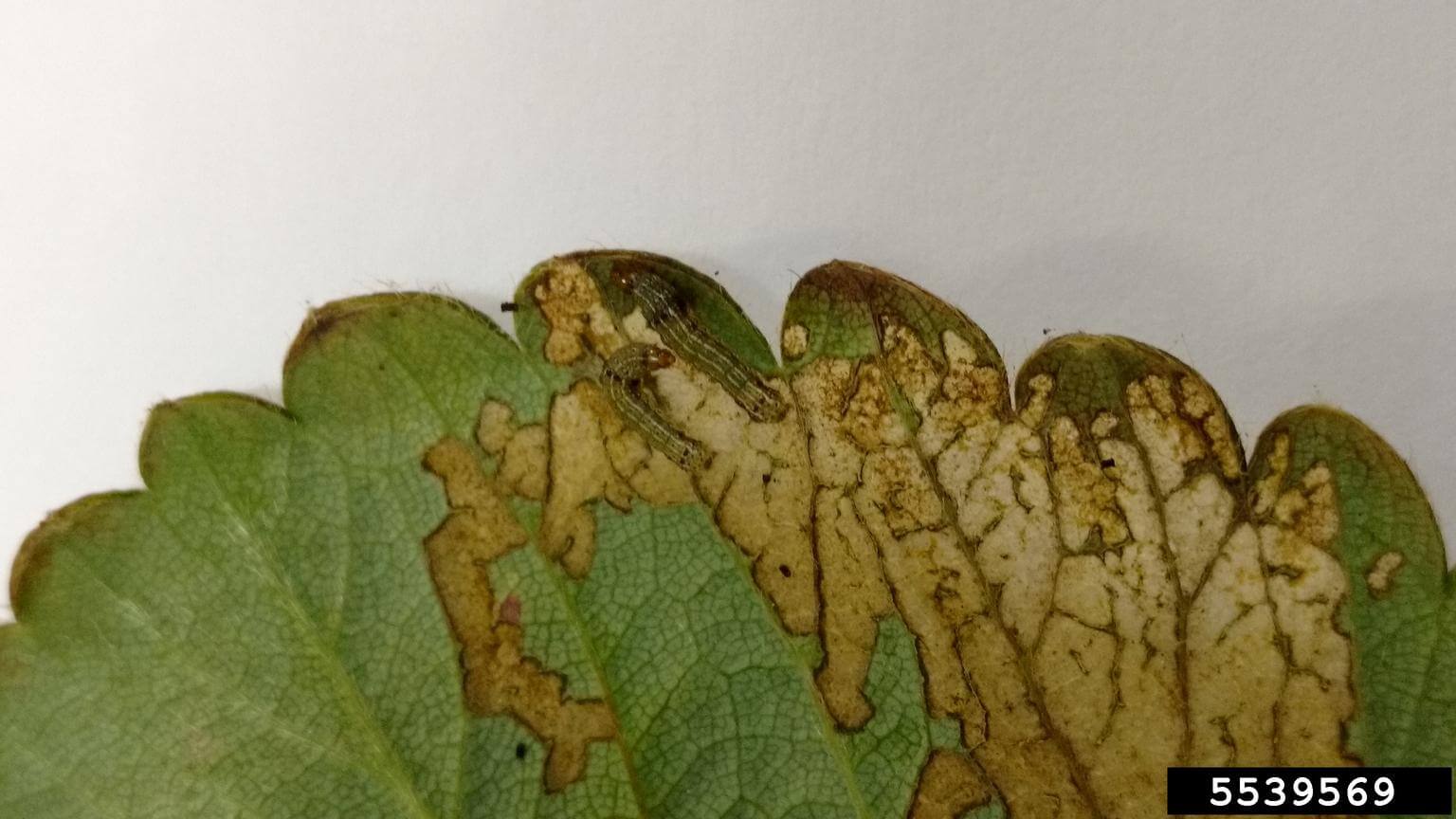

DESCRIPTION
WHO CAUSES IT?
Spodoptera frugiperda, Helicoverpa zea, Agrotis ipsilon, Argyrotaenia sp., among others, are lepidopteran pests that affect various crops, including berries. These insects go through four main stages: egg, larva, pupa and adult. Adults lay their eggs on leaves, stems, or in the soil near host plants. After a few days, the eggs hatch and the larvae emerge to feed on leaves and other plant tissues, causing significant damage. The larvae go through several molts, increasing in size with each stage. Once larval development is complete, the caterpillars search for a suitable place to pupate, often burying themselves in the ground or finding shelter in dense vegetation. The pupal stage lasts a few weeks, after which the adults emerge to restart the cycle. This process can be repeated several times a year, especially in warm climates, allowing populations of these insects to grow rapidly.
SYMPTOMS
In berries, worm infestation caused by these pathogens generates a series of symptoms that severely impact the health and productivity of the plants. The worms feed voraciously on leaves, stems and fruits, weakening plants and reducing crop yields.
- Leaves with holes and bitten edges.
- Severe defoliation in cases of high infestations.
- Pierced and damaged fruits.
- Presence of excrement (frass) on the leaves and fruits.
- Delay in the growth and development of plants.
- Death of young shoots.
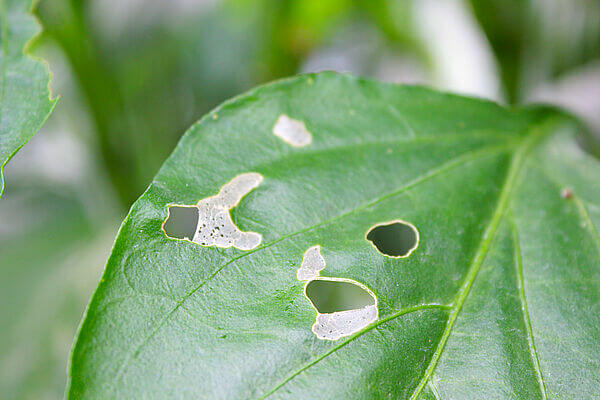
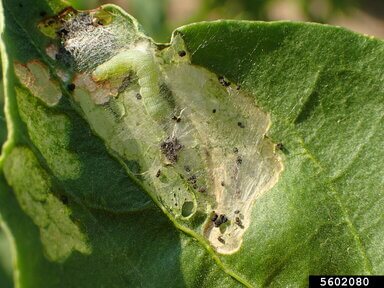

TEMPERATURE AND HUMIDITY
18°C - 30°C
50% - 70%

HOW IS IT SPREAD?
Movement of infected plants, Wind, Agricultural tools, Workers' clothing and footwear, Movement of contaminated soil

HOW TO REMOVE IT?
Home remedies
There are no home treatments
Chemical treatments
• LAMBDA CYHALOTHRIN 10% [CS] P/V
Authorized treatments in organic farming
• LAMBDA CYHALOTHRIN 10% [CS] P/V
Insect allies
PREDATORY MITES
LADYBUGS
LACEWINGS
PARASITIC WASPS
HOVERFLIES OR PARASITIC FLIES
PREDATORY BUGS
There are no natural allies
Mycodiplosis oidii (predatory mosquito)
EFFECTIVE PRODUCTS TO ELIMINATE THIS DISEASE





- Carry out periodic monitoring to detect the presence of eggs and larvae in early stages.
- Use pheromone traps to capture adults and monitor populations.
- Implement crop rotation to interrupt the life cycle of worms.
- Encourage the presence of natural enemies such as parasitoid wasps and insectivorous birds.
- Apply bioinsecticides such as Bacillus thuringiensis (Bt) in early larval stages.
- Maintain good field hygiene by eliminating crop remains and weeds that may serve as shelter.
- Implement physical barriers such as mesh to protect crops from the entry of adults.
- Use non-host plant covers to reduce the presence of larvae.
- Apply chemical insecticides with caution, following integrated pest management recommendations.
- Monitor the effectiveness of treatments and adjust strategies as necessary.
Recommendations



Explore more tools
Services
Contact
Legal
©2026 by ZERIMAR S.A.R.L. All rights reserved