

Virus
Sugarcane mosaic virus (SCMV): what it is, how it originates, and how to eliminate it effectively.
Sugarcane Mosaic Virus (Scmv)
Sugarcane Mosaic Virus (Scmv)
Pathogen:
Virus
Type:
Risk to the plant:
HIGH

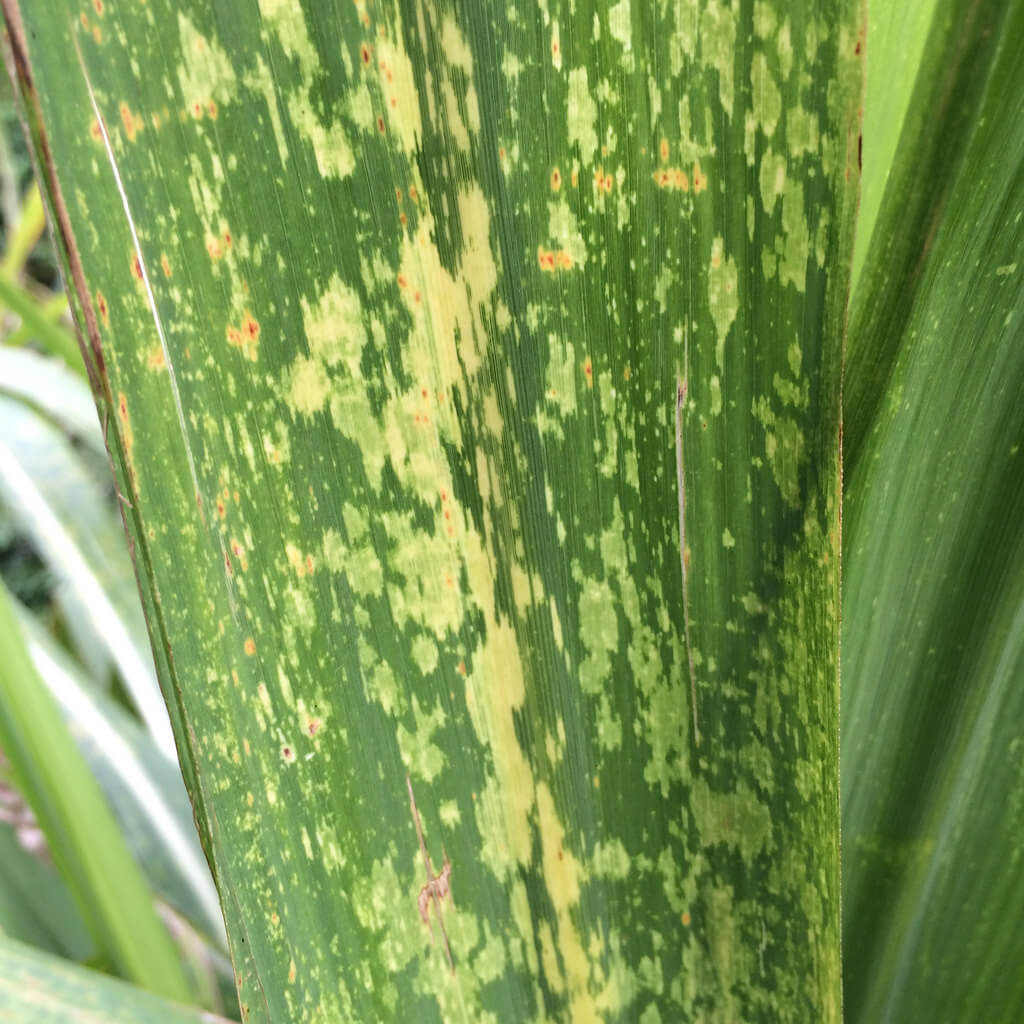

DESCRIPTION
WHO CAUSES IT?
Sugarcane mosaic virus (SCMV) is a virus that affects corn, belonging to the genus Potyvirus. Its life cycle begins when the virus comes into contact with the cells of the corn plant. Once inside the cell, the virus uses the cellular machinery to replicate and produce more viral particles. These new particles can spread to other cells of the same plant or to neighboring plants through different means of transmission.
SYMPTOMS
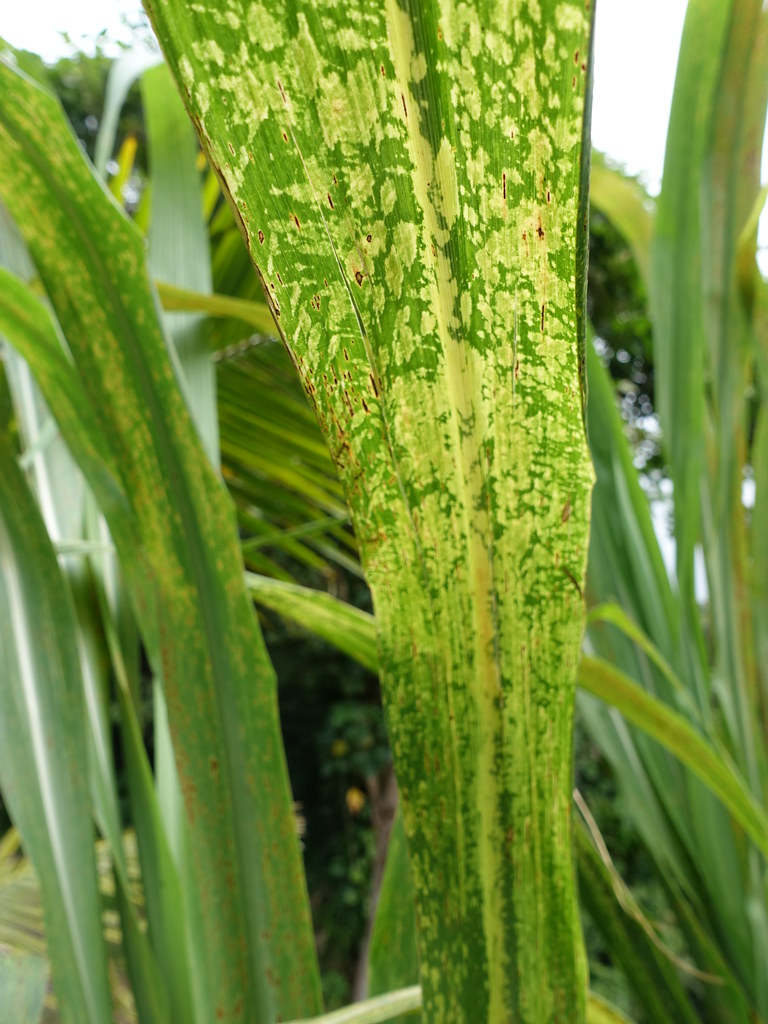
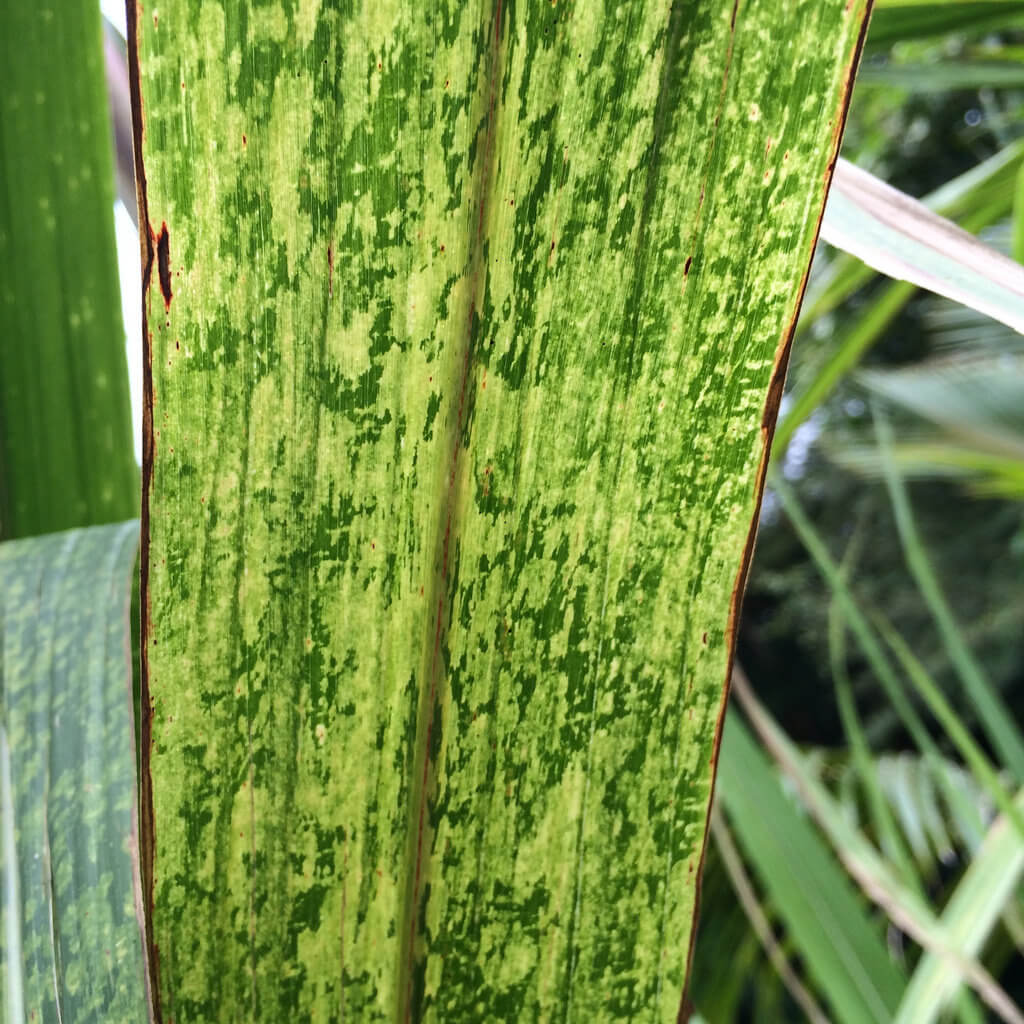
Sugarcane mosaic virus (SCMV) causes a series of general symptoms in maize plants, including chlorotic leaf Taches, leaf mosaic, leaf deformation, reduced plant growth and yield, as well as the presence of stripes and striations on the leaves.
- Chlorotic Taches on the leaves.
- Mosaic on the leaves.
- Deformation of the leaves.
- Reduced growth and performance.
- Presence of stripes and striations on the leaves.


TEMPERATURE AND HUMIDITY
20-30°C
70-90%

HOW IS IT SPREAD?
Insect vectors (thrips, aphids), infected seeds

HOW TO REMOVE IT?
Home remedies
There are no home treatments
Chemical treatments
There are no effective treatments against viruses, the treatments are focused on combating the insect or vector carrying the virus (SEE AVAILABLE TREATMENTS AGAINST INSECTS)
Authorized treatments in organic farming
There are no effective treatments against viruses, the treatments are focused on combating the insect or vector carrying the virus (SEE AVAILABLE TREATMENTS AGAINST INSECTS)
Insect allies
PREDATORY MITES
LADYBUGS
LACEWINGS
PARASITIC WASPS
HOVERFLIES OR PARASITIC FLIES
PREDATORY BUGS
There are no natural allies
Mycodiplosis oidii (predatory mosquito)
EFFECTIVE PRODUCTS TO ELIMINATE THIS DISEASE
Sponsored link
Sponsored link


Sponsored link
Sponsored link
Sponsored link


Sponsored link
Sponsored link
Effective against all types of fungi

Sponsored link


Sponsored link
Sponsored link

Sponsored link


Sponsored link
- Use certified and virus-free seeds for sowing.
- Implement vector control measures, such as the use of specific insecticides for thrips, aphids and other insects that can transmit the virus.
- Practice crop rotation to reduce the accumulation of inoculum in the soil.
- Eliminate weeds that may serve as alternative hosts for the virus.
- Carry out regular monitoring of crops to detect the early presence of symptoms and take quick and effective control measures.
Recommendations

Enjoy idMicrobe TOTALLY FREE, with no trial periods.


