

Virus
Arabis mosaic virus (ARMV): What it is, how it originates, and how to eliminate it effectively.
Arabis Mosaic Virus (Armv)
Arabica Mosaic Virus (Armv)
Pathogen:
Virus
Type:
Risk to the plant:
HIGH
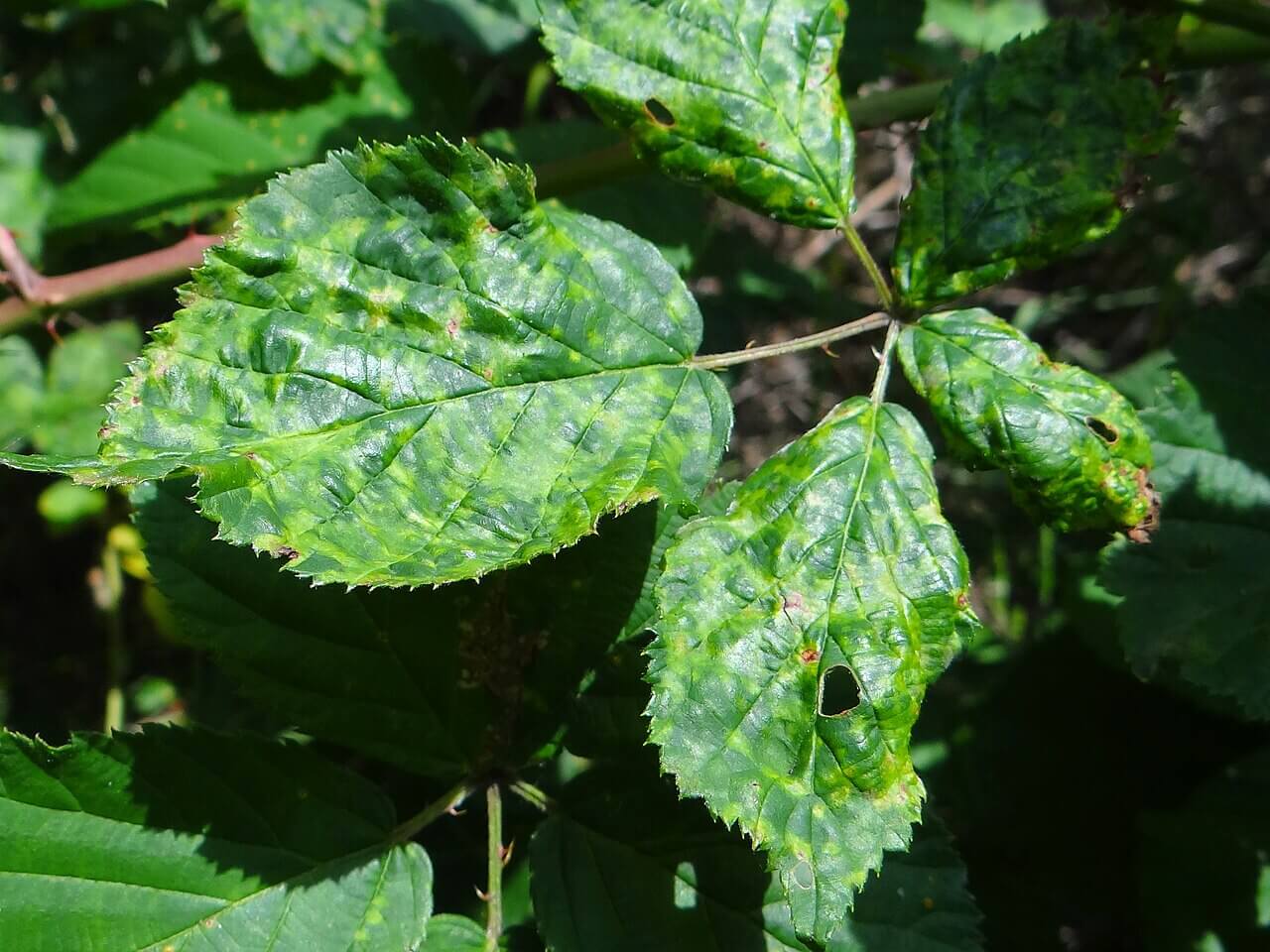
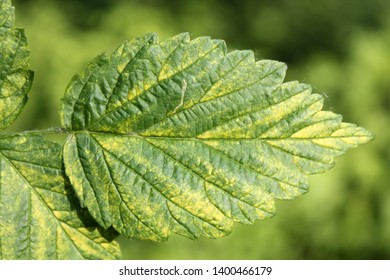

DESCRIPTION
WHO CAUSES IT?
Arabis mosaic virus (ArMV) is a virus that belongs to the Comoviridae family. This virus has a double-stranded RNA genome that is encapsulated in isometric particles. It is mainly transmitted through nematodes of the genus Xiphinema, especially Xiphinema diversicaudatum, which act as vectors by feeding on infected roots and then transferring the virus to healthy plants. The ArMV infection cycle begins when infected nematodes feed on the roots of a host plant, introducing the virus into the root system. Once inside the plant, the virus replicates in cells and moves systemically, causing a wide range of symptoms. ArMV can also be transmitted through pollen and seeds, although this is less common. Under favorable conditions, the virus can persist in the soil for long periods, infecting new plants as the nematodes move.
SYMPTOMS
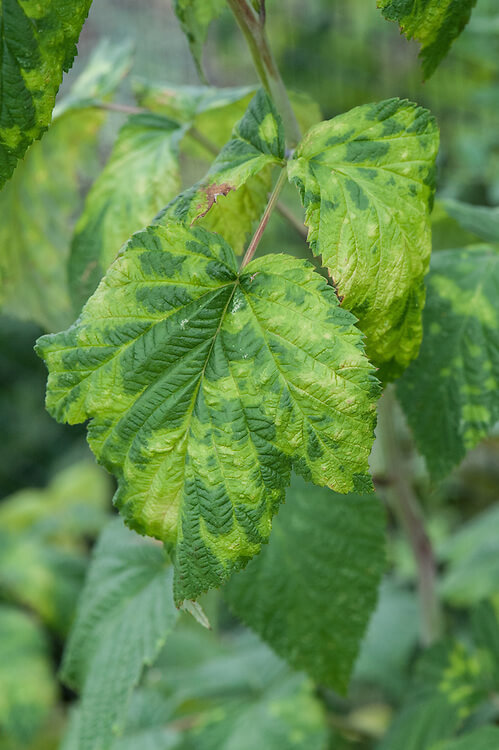
Infection by Arabis mosaic virus (ArMV) in raspberries causes a disease that significantly weakens the plants, reducing their vigor and production capacity. Symptoms vary depending on environmental conditions and plant variety, but in general, infected plants show signs of weakening and deformation.
- Chlorotic mottling on the leaves.
- Dwarfism and reduced growth.
- Distortion of leaves and stems.
- Necrotic Taches on the leaves.
- Reduction in the size and quantity of fruits.
- Less production of flowers and deformed fruits.


TEMPERATURE AND HUMIDITY
15°C - 25°C
70% - 90%

HOW IS IT SPREAD?
Nematodes, infected pollen, seeds, contact with contaminated tools, spread of infected plant material

HOW TO REMOVE IT?
Home remedies
There are no home treatments
Chemical treatments
There are no effective treatments against viruses, the treatments are focused on combating the insect or vector carrying the virus (SEE AVAILABLE TREATMENTS AGAINST INSECTS)
Authorized treatments in organic farming
There are no effective treatments against viruses, the treatments are focused on combating the insect or vector carrying the virus (SEE AVAILABLE TREATMENTS AGAINST INSECTS)
Insect allies
PREDATORY MITES
LADYBUGS
LACEWINGS
PARASITIC WASPS
HOVERFLIES OR PARASITIC FLIES
PREDATORY BUGS
There are no natural allies
Mycodiplosis oidii (predatory mosquito)
EFFECTIVE PRODUCTS TO ELIMINATE THIS DISEASE
Sponsored link
Sponsored link


Sponsored link
Sponsored link
Sponsored link


Sponsored link
Sponsored link
Effective against all types of fungi

Sponsored link


Sponsored link
Sponsored link

Sponsored link


Sponsored link
- Use certified virus-free raspberry plants for new plantations.
- Implement crop rotations with non-host plants to reduce the population of nematode vectors.
- Apply nematicidal treatments to the soil before planting to control the nematode population.
- Maintain rigorous control of weeds that can act as reservoirs of the virus.
- Regularly inspect plantations and eliminate infected plants to prevent the spread of the virus.
- Promote growing practices that improve overall soil health and plant resistance.
- Avoid excessive irrigation and waterlogging that favor the activity of nematodes.
- Implement physical barriers such as geotextile meshes to limit the movement of nematodes in the soil.
- Train agricultural workers in the identification and management of the disease for early detection and rapid response.
Recommendations

Enjoy idMicrobe TOTALLY FREE, with no trial periods.


