


Symptoms, treatments and recommendations for treating mites
Mites
Panonychus Ulmi
Pathogen:
Type:
Insect
Risk:
HIGH
Melocotón, durazno o nectarina
Ácaros

WHO CAUSES IT?
Panonychus ulmi, commonly known as the European red mite, is a phytophagous mite belonging to the Tetranychidae family. Adults are bright red and approximately 0.5 mm in length. Females deposit their eggs on the surface of the leaves, preferably at the base of the hairs on the underside of the leaf. The eggs are orange-red and hatch within a few days, releasing six-legged larvae. These larvae go through two nymphal phases before becoming adults, the protonymph and deutymph phases, each separated by a brief period of inactivity called the quiescence phase. Under favorable conditions, the entire cycle from egg to adult can be completed in about two weeks, allowing several generations to exist in a single growing season. Mites feed by sucking the cellular contents of leaves, causing visible damage to plants.

SYMPTOMS
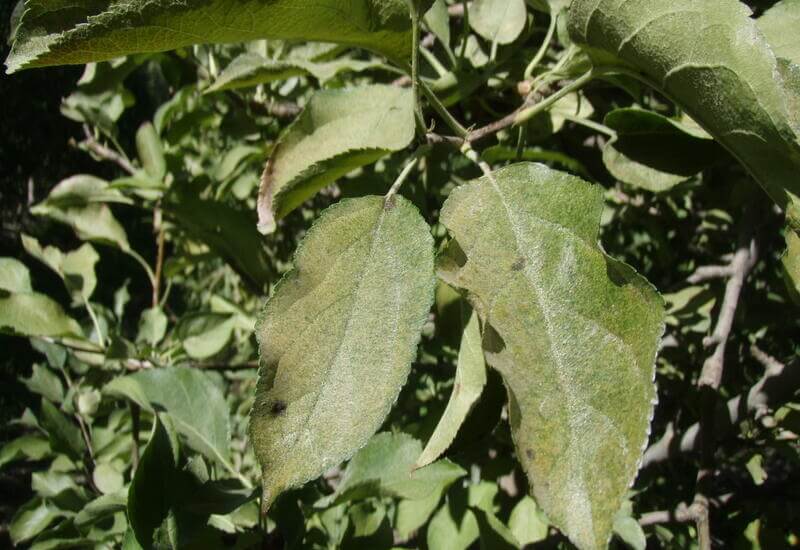
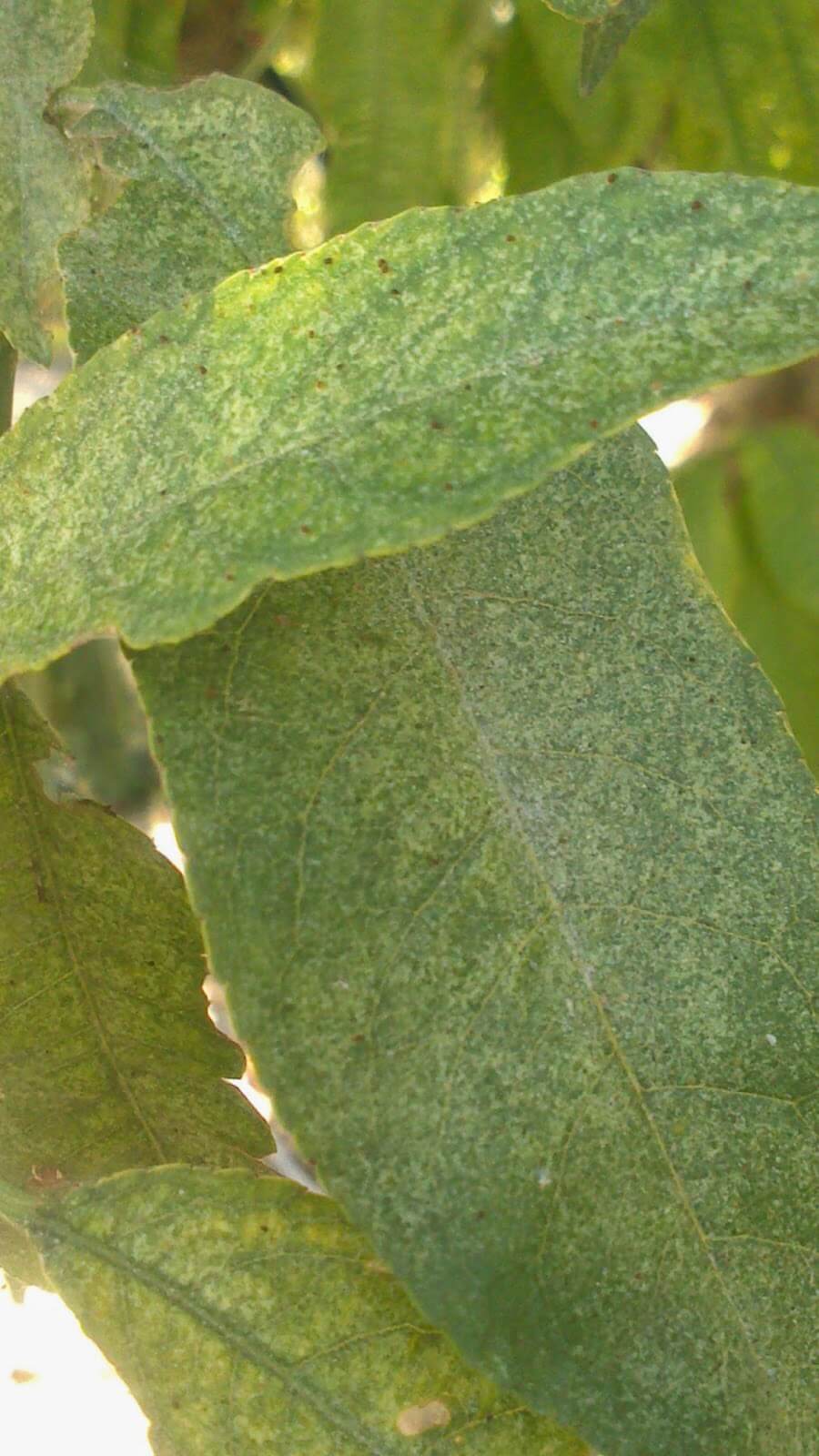
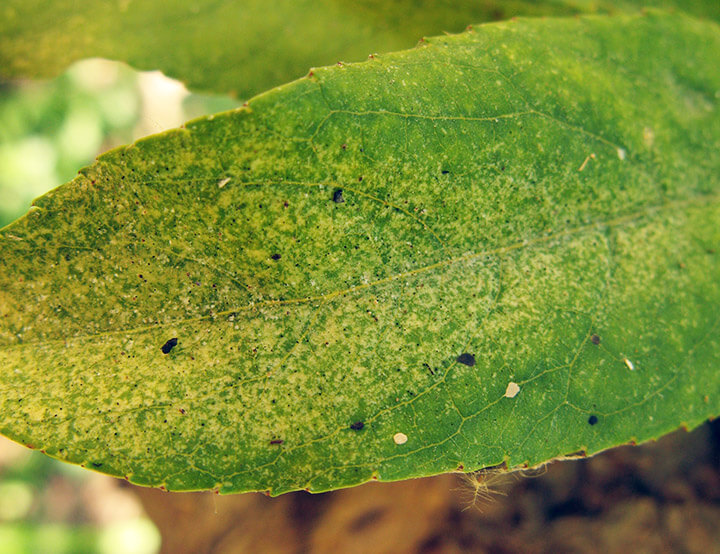
In peach, peach or nectarine, the presence of Panonychus ulmi causes a disease characterized by a general weakening of the plant and a reduction in its photosynthetic capacity. The mites suck the sap from the leaves, leaving chlorotic Taches that turn brown over time. This feeding activity can lead to premature desiccation and defoliation of the leaves, affecting the quality and quantity of the harvest.
- Chlorotic Taches on the leaves
- Discoloration and browning of leaves
- Drying and premature leaf fall
- Reduction in the size and quality of the fruits
- Decrease in photosynthetic activity
- Fine cobwebs on the surface of the leaves
- General weakening of the plant and lower crop yield


TEMPERATURE AND HUMIDITY
20-30°C
40-70%

TRANSMISSION ROUTES
Wind, movement of infected plant material, contaminated tools, direct contact between infested and healthy plants
Do you want to remove this disease? Choose how you want to treat it.

TREATMENTS
Chemical treatments
• RAPE OIL 1.69% ( ) [AL] P/V
• RAPE OIL 77.7% [EC] P/V
• ORANGE OIL 60g/L [ME] P/S
• PARAFFIN OIL (CAS [64742-46-7]) 79% [EC] P/V
• PARAFFIN OIL (CAS [64742-46-7]) 80% [EC] P/V
• PARAFFIN OIL (CAS [8042-47-5]) 54.6% [EW] P/V
• PARAFFIN OIL (CAS [8042-47-5]) 79% [EC] P/V
• PARAFFIN OIL (CAS [97862-82-3]) 40% [EW] P/V
• PARAFFIN OIL (CAS [97862-82-3]) 80% [EC] P/V
• Paraffin oil 65.4% [EW] P/V
• PARAFFIN OIL 81.7% [EC] P/V
• PARAFFIN OIL 83% [EC] P/V
• ACEQUINOCIL 16.4% [SC] P/V
• SULFUR 70% [SC] P/V
• SULFUR 72% [SC] P/V
• SULFUR 80% [SC] P/V
• SULFUR 80% [WG] P/P
• SULFUR 80% [WP] P/P
• ALUMINUM PHOSPHIDE 56% (0.6 G/TABLET) [GE] P/P
• ALUMINUM PHOSPHIDE 56% (3 G/TABLET) [GE] P/P
• ALUMINUM PHOSPHIDE 56% [GE] P/P
• LAMBDA CYHALOTHRIN 10% [CS] P/V
• POTASSIUM SALTS OF FATTY ACIDS C14-C20 48% [EW] P/V
• SPIROTETRAMAT 10% [SC] P/V
• TAU-FLUVALINATE 24% [EW] P/V
Authorized treatments in organic farming
• RAPE OIL 1.69% ( ) [AL] P/V
• RAPE OIL 77.7% [EC] P/V
• ORANGE OIL 60g/L [ME] P/S
• PARAFFIN OIL (CAS [64742-46-7]) 79% [EC] P/V
• PARAFFIN OIL (CAS [64742-46-7]) 80% [EC] P/V
• PARAFFIN OIL (CAS [8042-47-5]) 54.6% [EW] P/V
• PARAFFIN OIL (CAS [8042-47-5]) 79% [EC] P/V
• PARAFFIN OIL (CAS [97862-82-3]) 40% [EW] P/V
• PARAFFIN OIL (CAS [97862-82-3]) 80% [EC] P/V
• Paraffin oil 65.4% [EW] P/V
• PARAFFIN OIL 81.7% [EC] P/V
• PARAFFIN OIL 83% [EC] P/V
• SULFUR 70% [SC] P/V
• SULFUR 72% [SC] P/V
• SULFUR 80% [SC] P/V
• SULFUR 80% [WG] P/P
• SULFUR 80% [WP] P/P
• LAMBDA CYHALOTHRIN 10% [CS] P/V
• POTASSIUM SALTS OF FATTY ACIDS C14-C20 48% [EW] P/V
Biological control
• CHRYSOPERLA CARNEA
• METARHIZIUM BRUNNEUM strain Ma 43 10.5% [OD] P/V
Recommendations
- Regularly monitor crops to detect the presence of mites early.
- Use sticky traps to capture and monitor mite populations.
- Apply horticultural oils and insecticidal soaps to reduce mite populations.
- Encourage the presence of natural enemies such as predatory mites and lacewings.
- Avoid excessive use of nitrogen fertilizers that can favor the reproduction of mites.
- Maintain good garden hygiene by eliminating plant debris and weeds that may serve as shelter.
- Carry out adequate irrigation to avoid water stress on plants, which makes them more vulnerable.
- Implement integrated pest management (IPM) techniques to reduce dependence on chemicals.
- Apply specific acaricides at critical moments in the pest cycle.
- Rotate phytosanitary products to avoid the development of resistance.





*The recommended treatments are recommendations based on the authorities' databases and do not replace in any way the guidelines established by the legislation of each country.
*Products shown are recommendations and not our own products. As Amazon Associates, we earn revenue from purchases of recommended products.

TREATMENTS
Homemade remedies
There are no home treatments
Natural allies
Chemical treatments
There are no treatments for this disease. Treatments are directed at the insect vectors that transmit it. See insect treatments.

RECOMMENDATIONS

REPELLENT PLANTS
EFFECTIVE PRODUCTS TO ELIMINATE THIS DISEASE
*The recommended treatments are recommendations based on the authorities' databases and do not replace in any way the guidelines established by the legislation of each country.
*Products shown are recommendations and not our own products. As Amazon Associates, we earn revenue from purchases of recommended products.



Explore more tools
Services
Contact
Legal
©2026 by ZERIMAR S.A.R.L. All rights reserved