


Symptoms, treatments, and recommendations for treating cotton or cottonweed of the olive tree
Cotton Or Olive Milkweed
Euphyllura Olivina
Pathogen:
Type:
Insect
Risk:
MILD
Olivo
Psilas

WHO CAUSES IT?
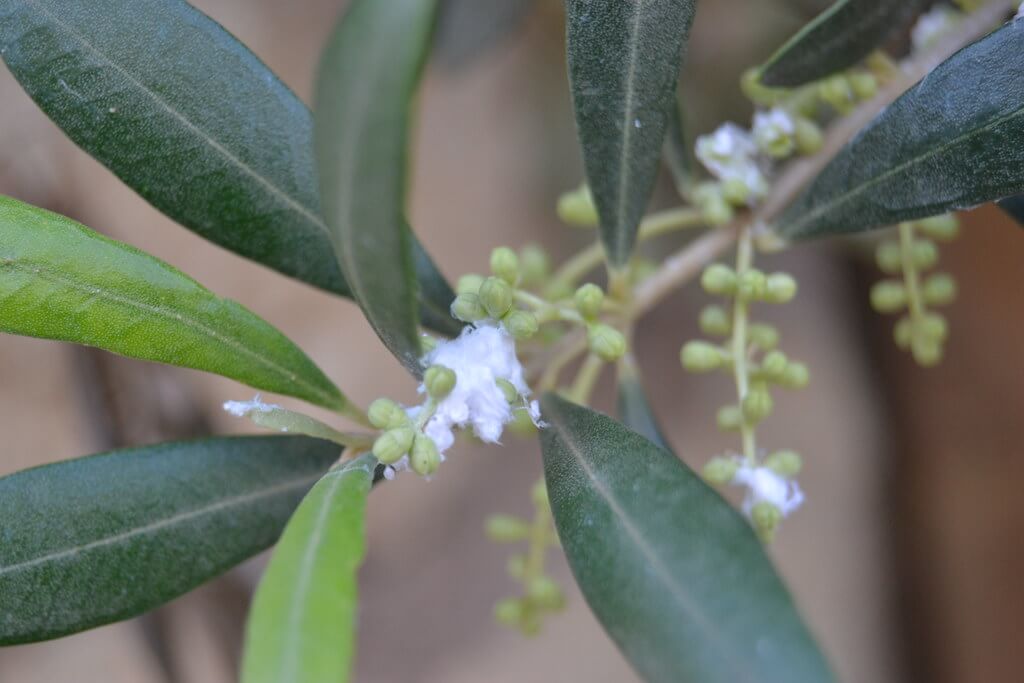
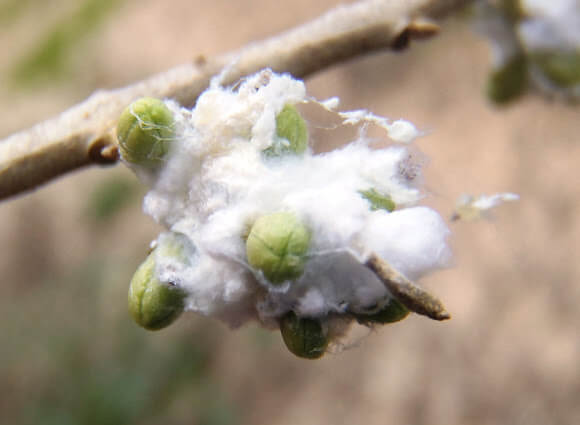
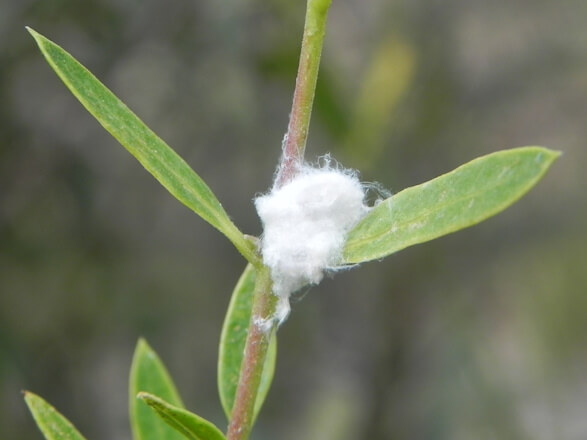
Euphyllura olivina is an insect known as olive milkweed, which affects olive trees. The insect goes through several stages of development: egg, larva, nymph and adult. During the larva phase, the insect produces a waxy secretion that accumulates in the tender shoots and flowers, where it feeds. Adults lay eggs on leaves and shoots, especially in spring and fall.

SYMPTOMS
Olive milkweed causes damage to tender shoots and flowers, where it lays eggs and feeds. This can cause a reduction in the productivity and quality of the harvest, as well as a general weakening of the olive tree.
• Damage to tender shoots and flowers.
• Reduction in crop productivity.
• General weakening of the olive tree.
• Presence of a white waxy secretion on the buds and flowers.
• Wasting and wilting of young shoots.


TEMPERATURE AND HUMIDITY
20°C - 30°C
50% - 70%

TRANSMISSION ROUTES
Insect movements, direct contact with infected plants, contaminated pruning tools.
Do you want to remove this disease? Choose how you want to treat it.

TREATMENTS
Chemical treatments
• DELTAMETHRIN 2.5% [EC] P/V
• POTASSIUM SALTS OF FATTY ACIDS C14-C20 48% [EW] P/V
Authorized treatments in organic farming
• POTASSIUM SALTS OF FATTY ACIDS C14-C20 48% [EW] P/V
Biological control
-
Recommendations
• Regularly monitor olive trees for signs of early infestation.
• Use traps to monitor the presence of insects.
• Apply specific insecticides during critical periods of activity.
• Encourage the presence of natural predators, such as parasitic wasps.
• Maintain a clean environment free of plant debris to reduce reproduction.
• Carry out regular pruning to allow better air circulation.
• Avoid excessive use of nitrogen fertilizers that can favor the development of the pest.





*The recommended treatments are recommendations based on the authorities' databases and do not replace in any way the guidelines established by the legislation of each country.
*Products shown are recommendations and not our own products. As Amazon Associates, we earn revenue from purchases of recommended products.

TREATMENTS
Homemade remedies
There are no home treatments
Natural allies
Chemical treatments
There are no treatments for this disease. Treatments are directed at the insect vectors that transmit it. See insect treatments.

RECOMMENDATIONS

REPELLENT PLANTS
EFFECTIVE PRODUCTS TO ELIMINATE THIS DISEASE
*The recommended treatments are recommendations based on the authorities' databases and do not replace in any way the guidelines established by the legislation of each country.
*Products shown are recommendations and not our own products. As Amazon Associates, we earn revenue from purchases of recommended products.



Explore more tools
Services
Contact
Legal
©2026 by ZERIMAR S.A.R.L. All rights reserved