


Symptoms, treatments and recommendations for treating alternariosis
Alternariosis
Alternaria Sp.
Pathogen:
Type:
Fungus
Risk:
HIGH
Higo o higuera
Alternariosis

WHO CAUSES IT?
Alternaria sp. is a genus of phytopathogenic fungi widely known to cause diseases in a variety of crops, including the fig tree. These fungi are ubiquitous in the environment and thrive in conditions of high humidity and moderate temperatures. Alternaria produces conidial spores that spread through air and water. Spores can survive in plant debris, soil, and infected seeds for long periods. When conditions are favorable, the spores germinate and penetrate the plant tissue through wounds or stomata. Once inside, the fungus develops a mycelium that invades the plant tissue, causing necrosis and cell death. The lesions produced release new spores that perpetuate the infectious cycle.

SYMPTOMS
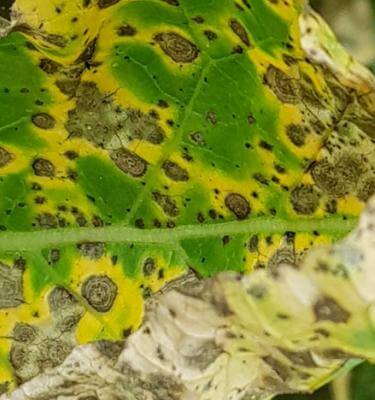
Alternariosis affects the fig tree, causing a series of symptoms that can weaken the plant and reduce the quality and quantity of the fruits. The disease initially manifests itself on the leaves, but can spread to other parts of the plant.
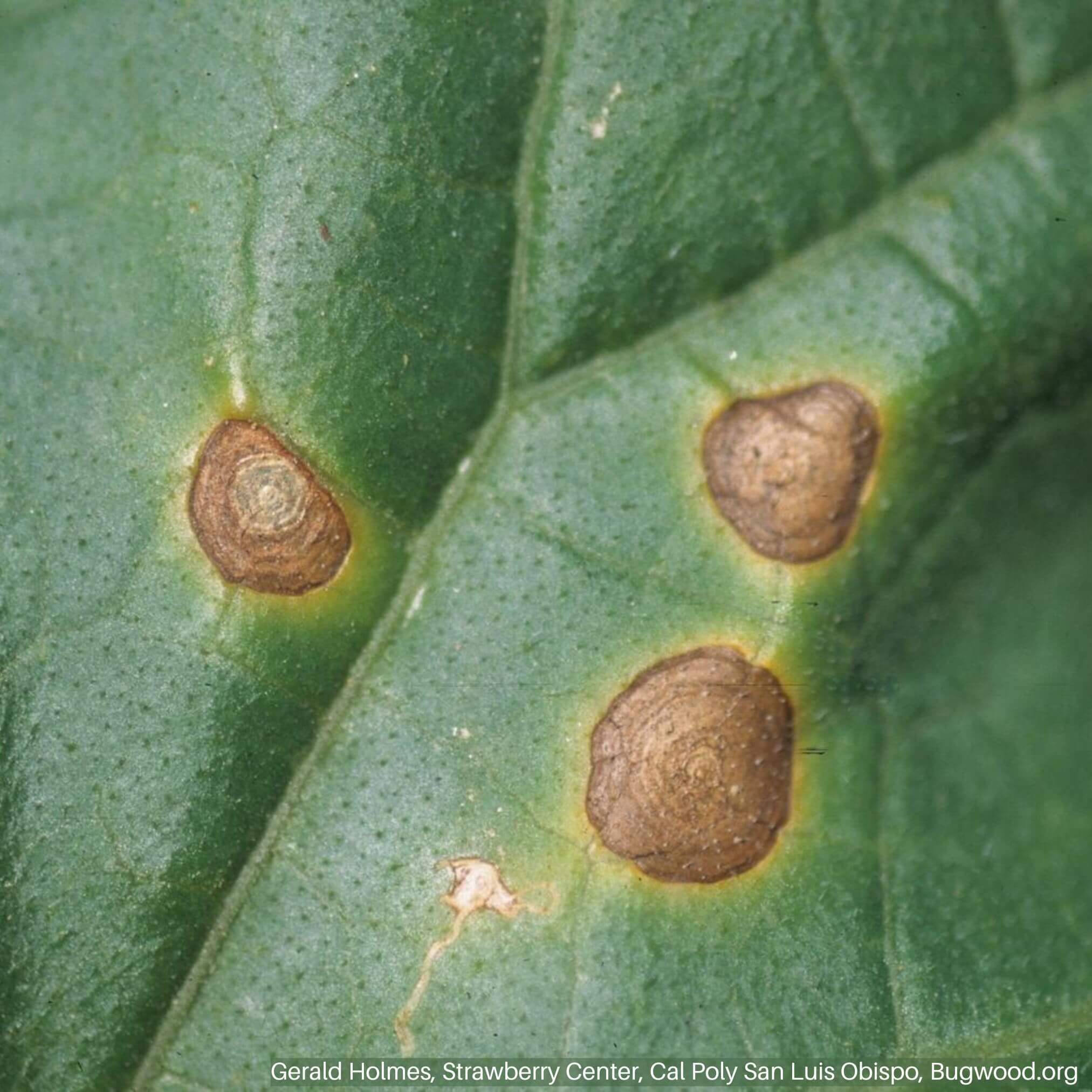
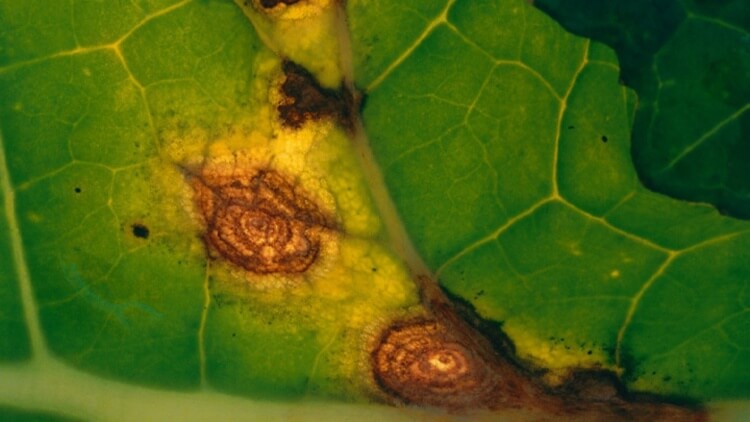
- Small, necrotic and dark Taches on the leaves
- Yellowish halo around the Taches
- Deformation and premature leaf fall
- Lesions on fruits that can lead to rot
- Loss of vigor in the plant
- Reduction in the size and quantity of fruits


TEMPERATURE AND HUMIDITY
20°C - 25°C
80% - 95%

TRANSMISSION ROUTES
Air, Irrigation water, Infected plant remains, Contaminated seeds, Agricultural tools
Do you want to remove this disease? Choose how you want to treat it.

TREATMENTS
Chemical treatments
• COPPER OXYCHLORIDE 38% (EXPR. IN CU) [SC] P/V
• COPPER OXYCHLORIDE 70% (EXPR. IN CU) [SC] P/V
Authorized treatments in organic farming
• COPPER OXYCHLORIDE 38% (EXPR. IN CU) [SC] P/V
• COPPER OXYCHLORIDE 70% (EXPR. IN CU) [SC] P/V
Biological control
-
Recommendations
- Use certified pathogen-free seeds.
- Implement an appropriate crop rotation to reduce the accumulation of Alternaria in the soil.
- Maintain good ventilation in the crop by pruning and proper spacing of the plants.
- Remove and destroy crop remains and infected leaves to reduce the source of inoculum.
- Avoid sprinkler irrigation and opt for drip irrigation to minimize moisture on the foliage.
- Apply preventive and curative fungicides according to technical recommendations, alternating active ingredients to avoid the development of resistance.
- Regularly monitor the crop to detect the first signs of the disease and act quickly.
- Improve soil drainage conditions to avoid waterlogging.
- Promote cultivation practices that strengthen the general health of plants, such as balanced fertilization.
- Train agricultural workers in the identification and proper management of the disease.





*The recommended treatments are recommendations based on the authorities' databases and do not replace in any way the guidelines established by the legislation of each country.
*Products shown are recommendations and not our own products. As Amazon Associates, we earn revenue from purchases of recommended products.

TREATMENTS
Homemade remedies
There are no home treatments
Natural allies
Chemical treatments
There are no treatments for this disease. Treatments are directed at the insect vectors that transmit it. See insect treatments.

RECOMMENDATIONS

REPELLENT PLANTS
EFFECTIVE PRODUCTS TO ELIMINATE THIS DISEASE
*The recommended treatments are recommendations based on the authorities' databases and do not replace in any way the guidelines established by the legislation of each country.
*Products shown are recommendations and not our own products. As Amazon Associates, we earn revenue from purchases of recommended products.



Explore more tools
Services
Contact
Legal
©2026 by ZERIMAR S.A.R.L. All rights reserved