


Symptoms, treatments and recommendations for treating red spider mites
Red Spider
Tetranychus Urticae
Pathogen:
Type:
Insect
Risk:
HIGH
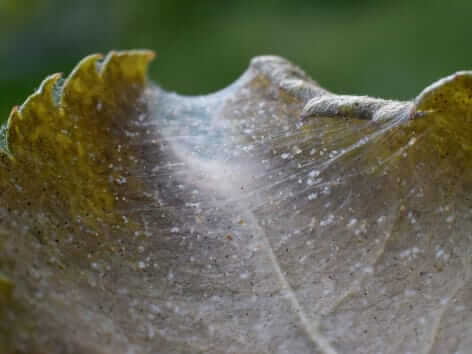
Remolacha azucarera
Araña roja

WHO CAUSES IT?
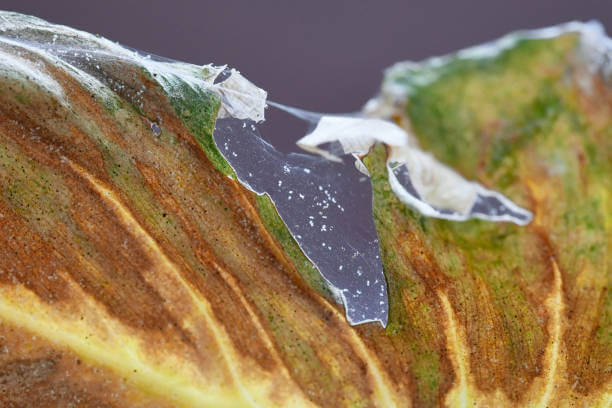
Tetranychus urticae, commonly known as red spider, is a phytophagous mite of the family Tetranychidae. It is an extremely prolific organism, capable of reproducing quickly under favorable conditions. Adults are reddish to brown in color and measure approximately 0.5 mm in length. Females lay their eggs on the underside of the leaves of host plants, where humidity and temperature conditions are optimal. Each female can lay up to 100 eggs during her life. The eggs hatch into six-legged larvae, which soon develop into eight-legged nymphs and eventually adults. This development can be completed within a week under optimal heat and humidity conditions, allowing for multiple generations in a single growing season. The ability of T. urticae to disperse by wind and adhere to clothing and agricultural tools contributes to its rapid spread.

SYMPTOMS
Tetranychus urticae infestation in sugar beet causes a disease known as spider mite, which can seriously affect the health and productivity of the plant. These mites feed on the cells of the leaves, piercing the surface and sucking out the cellular contents, which causes a decrease in photosynthesis and the general weakening of the plant. Symptoms include chlorotic Taches on leaves, which can coalesce into larger areas of damage. If left uncontrolled, infestation can lead to defoliation and significant reduction in crop yield.
- Chlorotic Taches on the leaves.
- Mottled and discolored leaves.
- Reduction in the photosynthetic capacity of the plant.
- Dry and brittle leaves.
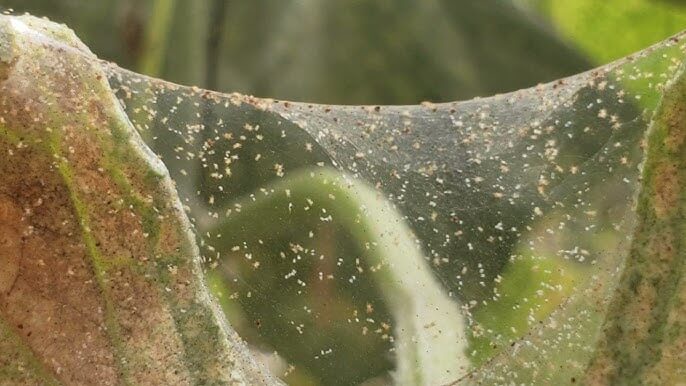
- Presence of fine cobwebs on the underside of the leaves.
- Defoliation in severe cases.
- Decrease in crop yield.


TEMPERATURE AND HUMIDITY
20°C - 30°C
40% - 60%

TRANSMISSION ROUTES
Wind, contaminated clothing, agricultural tools, infected plants, movement of infested soil, direct contact between plants
Do you want to remove this disease? Choose how you want to treat it.

TREATMENTS
Chemical treatments
• SULFUR 70% [SC] P/V
• SULFUR 72% [SC] P/V
• SULFUR 80% [SC] P/V
• SULFUR 80% [WG] P/P
• SULFUR 80% [WP] P/P
Authorized treatments in organic farming
• SULFUR 70% [SC] P/V
• SULFUR 72% [SC] P/V
• SULFUR 80% [SC] P/V
• SULFUR 80% [WG] P/P
• SULFUR 80% [WP] P/P
Biological control
• AMBLYSEIUS ANDERSONI (parasitoid and predatory mites)
• BEAUVERIA BASSIANA (STRAIN ATCC 74040) 2.3% (2.3X10E7 VIABLE SPORES/ML) [OD] P/V
• NEOSEIULUS CALIFORNICUS (parasitoid and predatory mites)
• PHYTOSEIULUS PERSIMILIS (parasitoid and predatory mites)
Recommendations
- Regularly monitor crops to detect the presence of mites early.
- Implement a crop rotation program to reduce mite populations.
- Use cultivars resistant or tolerant to Tetranychus urticae.
- Maintain good field hygiene, eliminating plant remains and weeds that may harbor mites.
- Promote the presence of natural enemies such as predators and specific parasitoids of mites.
- Use acaricides on a rotating basis to prevent the development of resistance.
- Avoid excessive use of broad-spectrum insecticides that can kill natural enemies.
- Control dust in the field, as it can favor the proliferation of mites.
- Implement adequate irrigation techniques to reduce water stress on plants and make them less susceptible to infestations.
- Consider the use of horticultural oils and insecticidal soaps to control mites in early stages of infestation.





*The recommended treatments are recommendations based on the authorities' databases and do not replace in any way the guidelines established by the legislation of each country.
*Products shown are recommendations and not our own products. As Amazon Associates, we earn revenue from purchases of recommended products.

TREATMENTS
Homemade remedies
There are no home treatments
Natural allies
Chemical treatments
There are no treatments for this disease. Treatments are directed at the insect vectors that transmit it. See insect treatments.

RECOMMENDATIONS

REPELLENT PLANTS
EFFECTIVE PRODUCTS TO ELIMINATE THIS DISEASE
*The recommended treatments are recommendations based on the authorities' databases and do not replace in any way the guidelines established by the legislation of each country.
*Products shown are recommendations and not our own products. As Amazon Associates, we earn revenue from purchases of recommended products.



Explore more tools
Services
Contact
Legal
©2026 by ZERIMAR S.A.R.L. All rights reserved