


Symptoms, treatments, and recommendations for treating olive borer
Olive Borer
Phoeotribus Scarabeoides
Pathogen:
Type:
Insect
Risk:
MILD
Olivo
Barrenadores

WHO CAUSES IT?
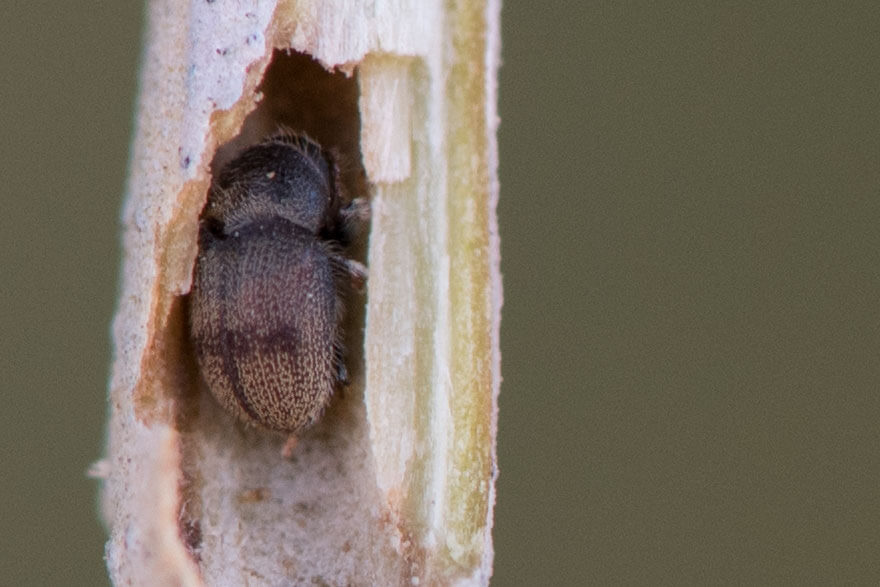
Phoeotribus scarabeoides, also known as the olive borer, is a beetle that affects olive trees. This insect has a dark, cylindrical body, with short legs. The female lays eggs in the cracks of the bark of olive trees, particularly in the branches and trunk. The larvae develop inside the wood, creating galleries as they feed, which weakens the structure of the plant. Finally, the larvae transform into pupae within the galleries and emerge as adults, repeating the cycle.

SYMPTOMS
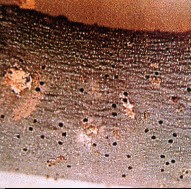
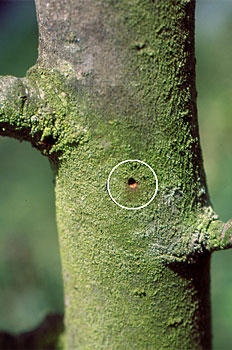
The olive borer can cause significant damage to olive trees, mainly due to the galleries the larvae excavate in the wood. These galleries weaken the structure of the tree, which can result in the death of branches and, in severe cases, the entire tree. Additionally, weakening the tree can make it more susceptible to other diseases.
• Presence of galleries in the wood of branches and trunk.
• Weakening of the branches, which can lead to their death.
• Presence of sawdust or sawdust at the base of the tree.
• Decrease in olive production due to the weakening of the tree.


TEMPERATURE AND HUMIDITY
20°C - 30°C
50% - 70%

TRANSMISSION ROUTES
Flight, contact with infested wood, contaminated pruning tools.
Do you want to remove this disease? Choose how you want to treat it.

TREATMENTS
Chemical treatments
• DELTAMETHRIN 2.5% [EC] P/V
Authorized treatments in organic farming
-
Biological control
-
Recommendations
• Regularly monitor olive trees for signs of early infestation.
• Remove and destroy affected branches to reduce the insect population.
• Maintain adequate pruning to reduce the accumulation of dead wood and improve air circulation.
• Use pheromone traps to monitor and capture adults.
• Apply specific insecticides at times of maximum insect activity.
• Promote overall tree health through proper fertilization and controlled irrigation.





*The recommended treatments are recommendations based on the authorities' databases and do not replace in any way the guidelines established by the legislation of each country.
*Products shown are recommendations and not our own products. As Amazon Associates, we earn revenue from purchases of recommended products.

TREATMENTS
Homemade remedies
There are no home treatments
Natural allies
Chemical treatments
There are no treatments for this disease. Treatments are directed at the insect vectors that transmit it. See insect treatments.

RECOMMENDATIONS

REPELLENT PLANTS
EFFECTIVE PRODUCTS TO ELIMINATE THIS DISEASE
*The recommended treatments are recommendations based on the authorities' databases and do not replace in any way the guidelines established by the legislation of each country.
*Products shown are recommendations and not our own products. As Amazon Associates, we earn revenue from purchases of recommended products.



Explore more tools
Services
Contact
Legal
©2026 by ZERIMAR S.A.R.L. All rights reserved