


Symptoms, treatments, and recommendations for treating cladosporiosis
Cladosporiosis
Cladosporium Cucumerinum
Pathogen:
Type:
Fungus
Risk:
INTERMEDIATE
Cucurbitáceas piel NO comestible
Micosis/Hongos

WHO CAUSES IT?
Cladosporium cucumerinum is a phytopathogenic fungus that belongs to the genus Cladosporium, which includes a wide variety of species distributed in different environments and plant hosts. This specific pathogen is characterized by its ability to attack plants of the cucurbit family, being particularly problematic in crops such as cucumbers, pumpkins, zucchini and melons. Although Cladosporium cucumerinum is not considered one of the most devastating pathogens in agriculture, it can cause significant losses in cucurbit production if not properly controlled.

SYMPTOMS
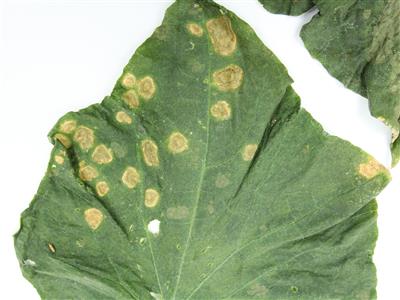
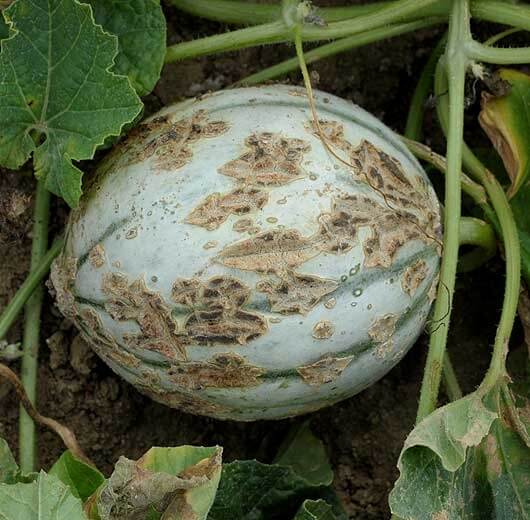
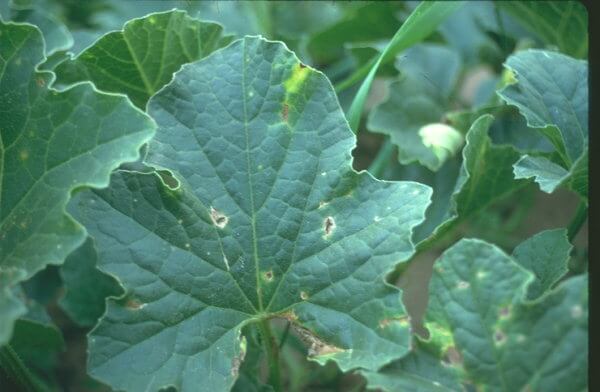
This fungus develops mainly on the leaves of plants, where it forms characteristic necrotic Taches. These Taches are usually angular in shape and can vary in color, from yellow to dark brown, depending on the stage of infection. As the disease progresses, the lesions can expand and fuse, causing defoliation and weakening the plant.


TEMPERATURE AND HUMIDITY
20°C - 25°C
70% - 90%

TRANSMISSION ROUTES
Irrigation water, wind, cultivation equipment, contaminated seeds, direct contact between plants.
Do you want to remove this disease? Choose how you want to treat it.

TREATMENTS
Chemical treatments
• AZOXISTROBIN 20% + DIFENOCONAZOLE 12.5% [SC] P/V
• AZOXISTROBIN 25% [SC] P/V
• DIFENOCONAZOLE 12.5% + CYFLUFENAMIDE 1.5% [DC] P/V
• DIFENOCONAZOLE 25% [EC] P/V
• TEBUCONAZOLE 20% [EW] P/V
• TEBUCONAZOLE 25% [EC] P/V
• TETRACONAZOLE 10% [EC] P/V
• TETRACONAZOLE 12.5% [ME] P/V
• TETRACONAZOLE 4% [ME] P/V
Authorized treatments in organic farming
-
Biological control
-
Recommendations
To prevent and control the spread of Cladosporium cucumerinum, it is essential to implement integrated pest management practices. This includes crop rotation, removal of infected plant debris, use of certified pathogen-free seeds, and application of specific fungicides at key times in the crop cycle.

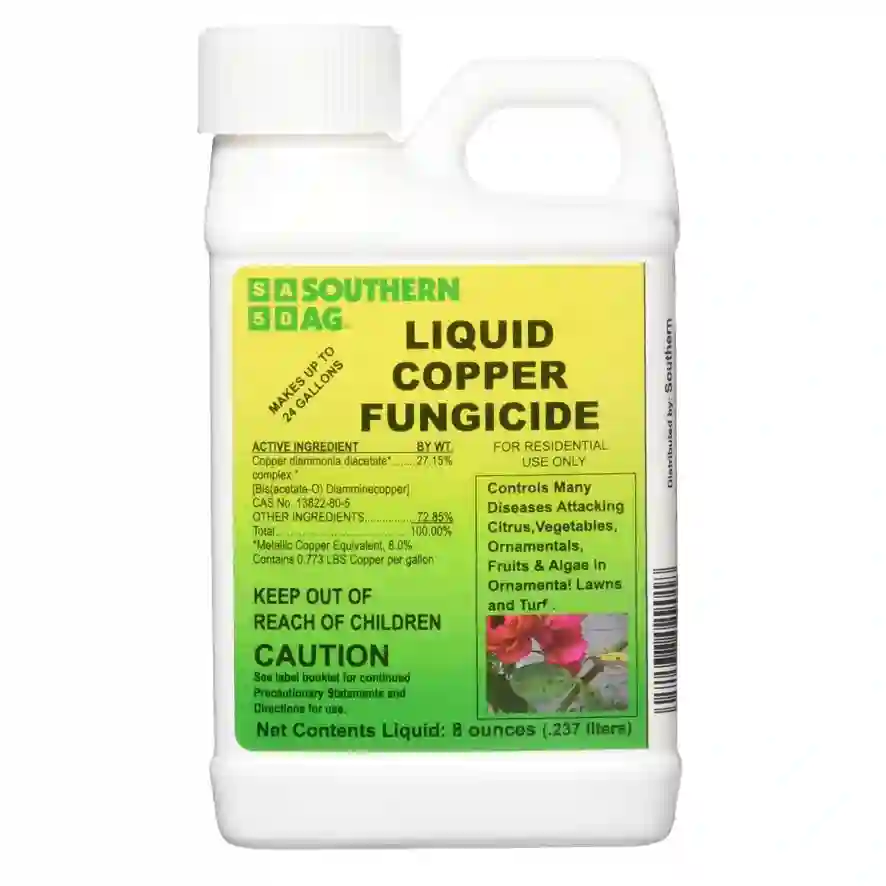


*The recommended treatments are recommendations based on the authorities' databases and do not replace in any way the guidelines established by the legislation of each country.
*Products shown are recommendations and not our own products. As Amazon Associates, we earn revenue from purchases of recommended products.

TREATMENTS
Homemade remedies
There are no home treatments
Natural allies
Chemical treatments
There are no treatments for this disease. Treatments are directed at the insect vectors that transmit it. See insect treatments.

RECOMMENDATIONS

REPELLENT PLANTS
EFFECTIVE PRODUCTS TO ELIMINATE THIS DISEASE
*The recommended treatments are recommendations based on the authorities' databases and do not replace in any way the guidelines established by the legislation of each country.
*Products shown are recommendations and not our own products. As Amazon Associates, we earn revenue from purchases of recommended products.



Explore more tools
Services
Contact
Legal
©2026 by ZERIMAR S.A.R.L. All rights reserved