


Symptoms, treatments, and recommendations for treating cladosporiosis
Cladosporiosis
Cladosporium Fulvum
Pathogen:
Type:
Fungus
Risk:
INTERMEDIATE
Tomate
Micosis/Hongos

WHO CAUSES IT?
Cladosporiosis is a disease caused by fungi of the genus Cladosporium, which belongs to the Mycosphaerellaceae family. These fungi are ubiquitous microorganisms commonly found in soil, air, and plant surfaces. The best-known species associated with cladosporiosis is Cladosporium fulvum, although other species in the genus can also cause the disease. Cladosporium fungi are saprophytes, meaning they can survive by feeding on dead organic matter. However, they can also act as opportunistic pathogens, especially under conditions favorable for their growth and development, such as high humidity and moderate temperatures.

SYMPTOMS
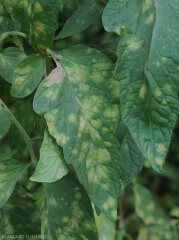
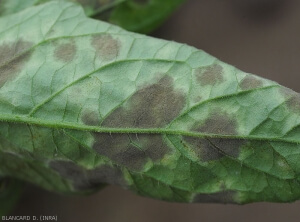
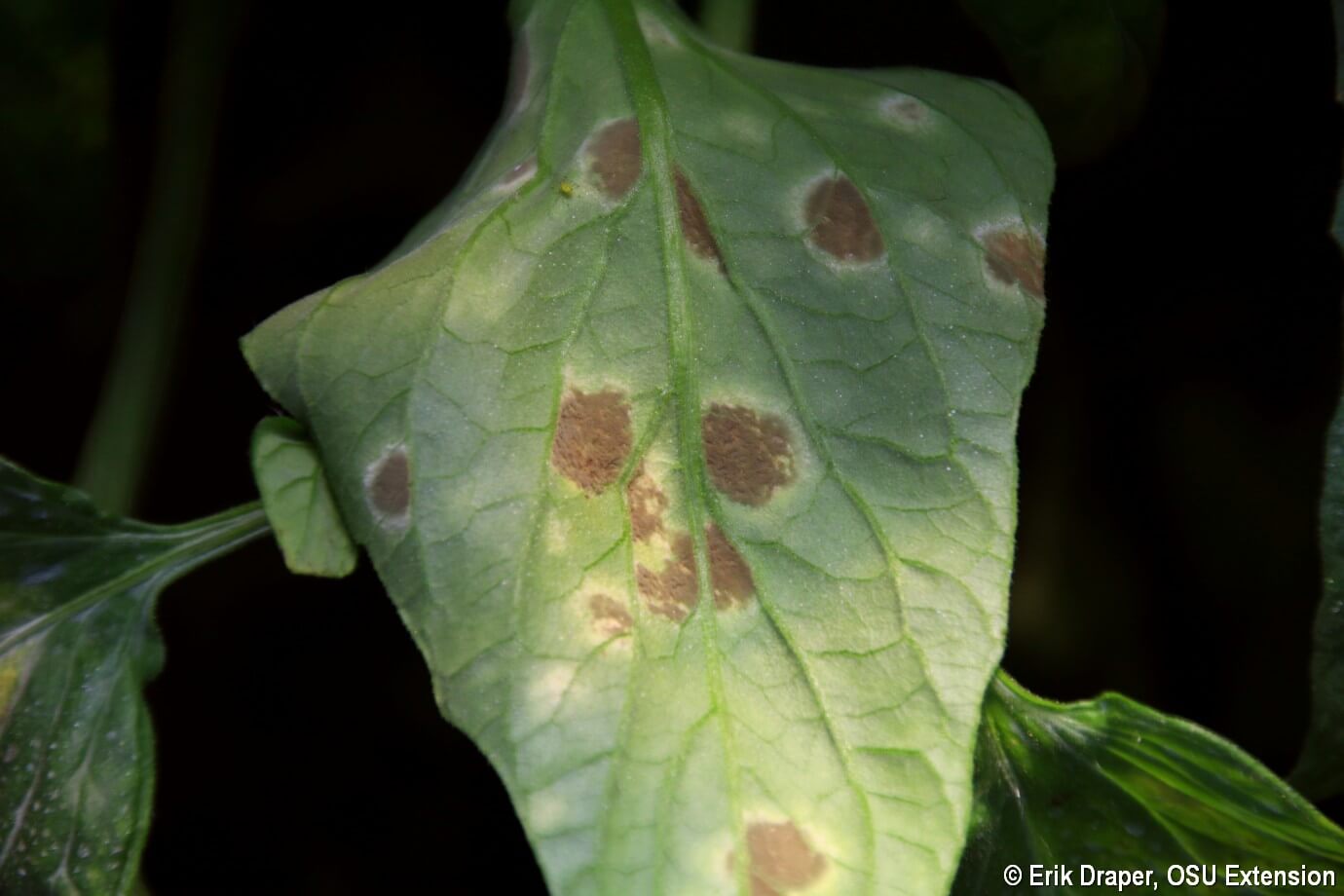
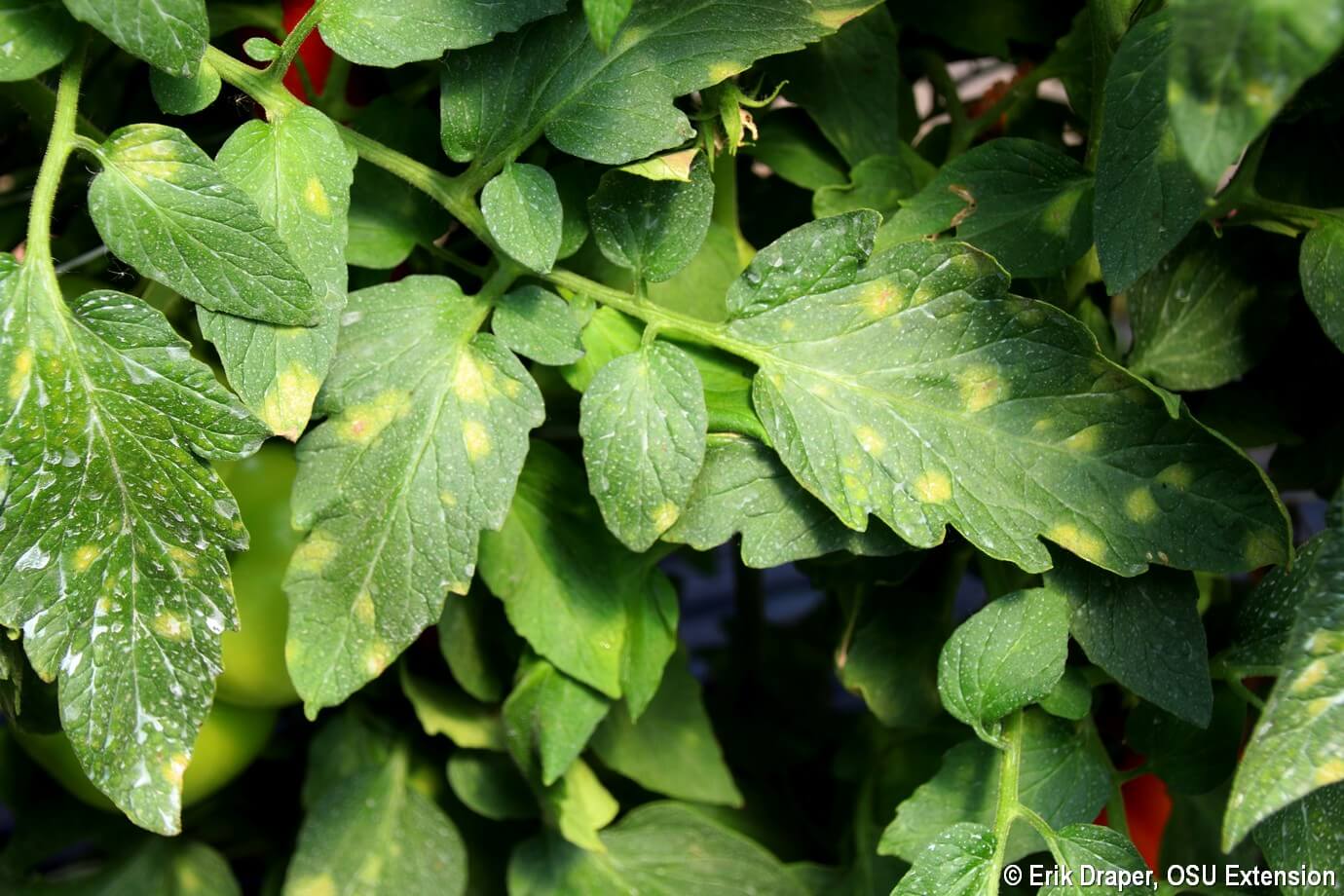
Typical symptoms of cladosporiosis in tomato include the appearance of necrotic Taches on the leaves, which may appear dark brown or black. These Taches usually start on older leaves and can spread to the stems and fruits, causing defoliation and reducing the quality and yield of tomato crops.


TEMPERATURE AND HUMIDITY
20°C -25°C
70% - 90%

TRANSMISSION ROUTES
Wind, direct contact with infected plants, contaminated irrigation water and spread by undisinfected agricultural tools.
Do you want to remove this disease? Choose how you want to treat it.

TREATMENTS
Chemical treatments
• AZOXISTROBIN 20% + DIFENOCONAZOLE 12.5% [SC] P/V
• AZOXISTROBIN 25% [SC] P/V
• DIFENOCONAZOLE 12.5% + CYFLUFENAMIDE 1.5% [DC] P/V
• DIFENOCONAZOLE 25% [EC] P/V
• TEBUCONAZOLE 20% [EW] P/V
• TEBUCONAZOLE 25% [EC] P/V
• TEBUCONAZOLE 25% [EW] P/V
• TEBUCONAZOLE 25% [WG] P/P
• TETRACONAZOLE 10% [EC] P/V
• TETRACONAZOLE 12.5% [ME] P/V
• TETRACONAZOLE 4% [ME] P/V
Authorized treatments in organic farming
-
Biological control
-
Recommendations
To prevent and control cladosporiosis in tomato crops, it is important to implement integrated pest management practices. This may include crop rotation, use of resistant varieties, weed control, and removal of infected crop residues. Additionally, preventative fungicide treatments can be applied and measures taken to improve air circulation and reduce humidity in the growing environment.





*The recommended treatments are recommendations based on the authorities' databases and do not replace in any way the guidelines established by the legislation of each country.
*Products shown are recommendations and not our own products. As Amazon Associates, we earn revenue from purchases of recommended products.

TREATMENTS
Homemade remedies
There are no home treatments
Natural allies
Chemical treatments
There are no treatments for this disease. Treatments are directed at the insect vectors that transmit it. See insect treatments.

RECOMMENDATIONS

REPELLENT PLANTS
EFFECTIVE PRODUCTS TO ELIMINATE THIS DISEASE
*The recommended treatments are recommendations based on the authorities' databases and do not replace in any way the guidelines established by the legislation of each country.
*Products shown are recommendations and not our own products. As Amazon Associates, we earn revenue from purchases of recommended products.



Explore more tools
Services
Contact
Legal
©2026 by ZERIMAR S.A.R.L. All rights reserved