


Symptoms, treatments, and recommendations for treating cleonus
Cleonus
Temnorhinus Mendicus / Conorhynchus Mendicus
Pathogen:
Type:
Insect
Risk:
HIGH
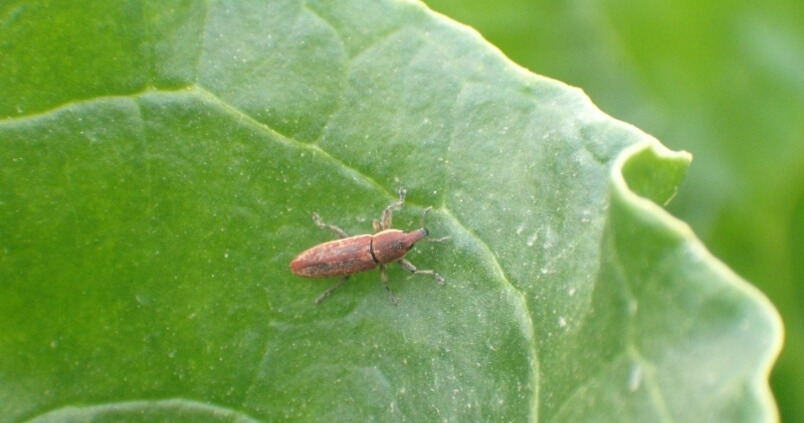
Remolacha de mesa
Gorgojos
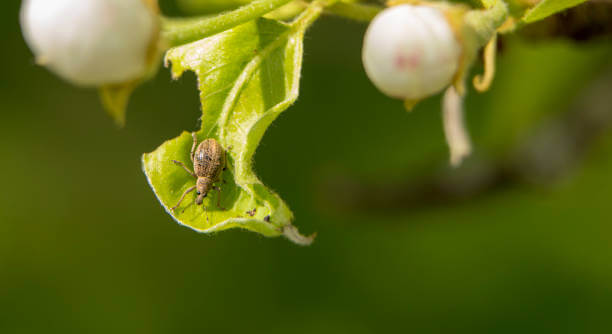

WHO CAUSES IT?
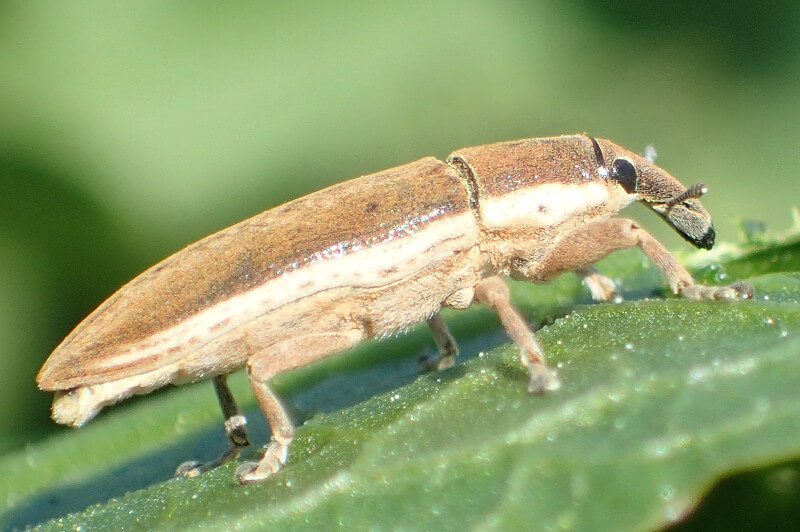
Temnorhinus mendicus and Conorhynchus mendicus are two species of weevils that affect beets. These insects go through several stages of development that include egg, larva, pupa and adult. Females lay their eggs in the soil near beet plants. From these eggs the larvae emerge, which are responsible for the greatest damage, since they feed on the roots of the plant, preventing its proper development. After going through several molts, the larvae become pupae in the soil. Finally, adults emerge from the pupae and can also feed on beet leaves, although the damage is minor compared to that caused by the larvae. The adults reproduce and the cycle begins again. The duration of each phase depends on environmental conditions, mainly temperature and humidity.

SYMPTOMS
Infestation of Temnorhinus mendicus and Conorhynchus mendicus in beet causes a disease known as Cleonus. This disease is characterized by a general deterioration of the plant due to the larvae feeding on the roots. Affected plants show reduced growth and may wilt, especially during periods of water stress. The most visible symptoms include damaged and weakened roots, making it difficult to absorb nutrients and water. Severely affected plants may die.
- Yellowing and wilting of leaves.
- Roots with tunnels and galleries.
- Reduction in plant growth and vigor.
- Death of young plants.
- Presence of adult weevils on the foliage.


TEMPERATURE AND HUMIDITY
20-30 °C
60-80 %

TRANSMISSION ROUTES
Direct contact with plants, migration of adults, movement of contaminated soil
Do you want to remove this disease? Choose how you want to treat it.

TREATMENTS
Chemical treatments
• DELTAMETHRIN 2.5% [EC] P/V
Authorized treatments in organic farming
-
Biological control
-
Recommendations
- Rotate crops with non-host plants to interrupt the weevil life cycle.
- Use resistant or tolerant beet varieties.
- Implement integrated pest management (IPM) practices, which include regular monitoring and use of traps to detect the presence of adult weevils.
- Apply insecticide treatments to the soil before planting and during plant development, following technical recommendations and appropriate doses.
- Keep the field free of weeds that can serve as a refuge for weevils.
- Promote soil biodiversity with the introduction of natural predators of weevils.





*The recommended treatments are recommendations based on the authorities' databases and do not replace in any way the guidelines established by the legislation of each country.
*Products shown are recommendations and not our own products. As Amazon Associates, we earn revenue from purchases of recommended products.

TREATMENTS
Homemade remedies
There are no home treatments
Natural allies
Chemical treatments
There are no treatments for this disease. Treatments are directed at the insect vectors that transmit it. See insect treatments.

RECOMMENDATIONS

REPELLENT PLANTS
EFFECTIVE PRODUCTS TO ELIMINATE THIS DISEASE
*The recommended treatments are recommendations based on the authorities' databases and do not replace in any way the guidelines established by the legislation of each country.
*Products shown are recommendations and not our own products. As Amazon Associates, we earn revenue from purchases of recommended products.



Explore more tools
Services
Contact
Legal
©2026 by ZERIMAR S.A.R.L. All rights reserved