


Symptoms, treatments, and recommendations for treating mealybugs
Cottony Mealybug
Planococcus Citri
Pathogen:
Type:
Insect
Risk:
MILD

Cítricos
Cochinillas

WHO CAUSES IT?
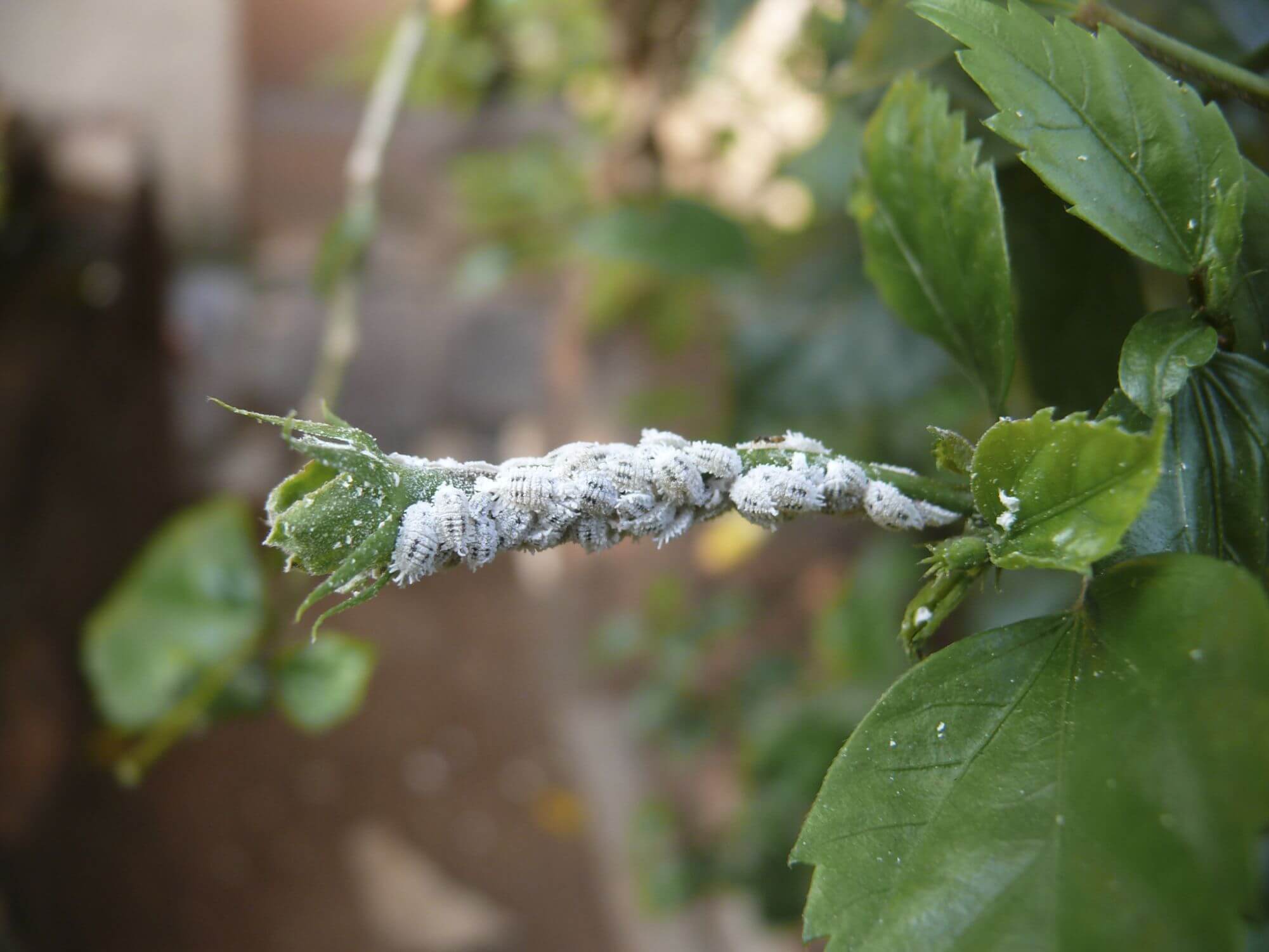
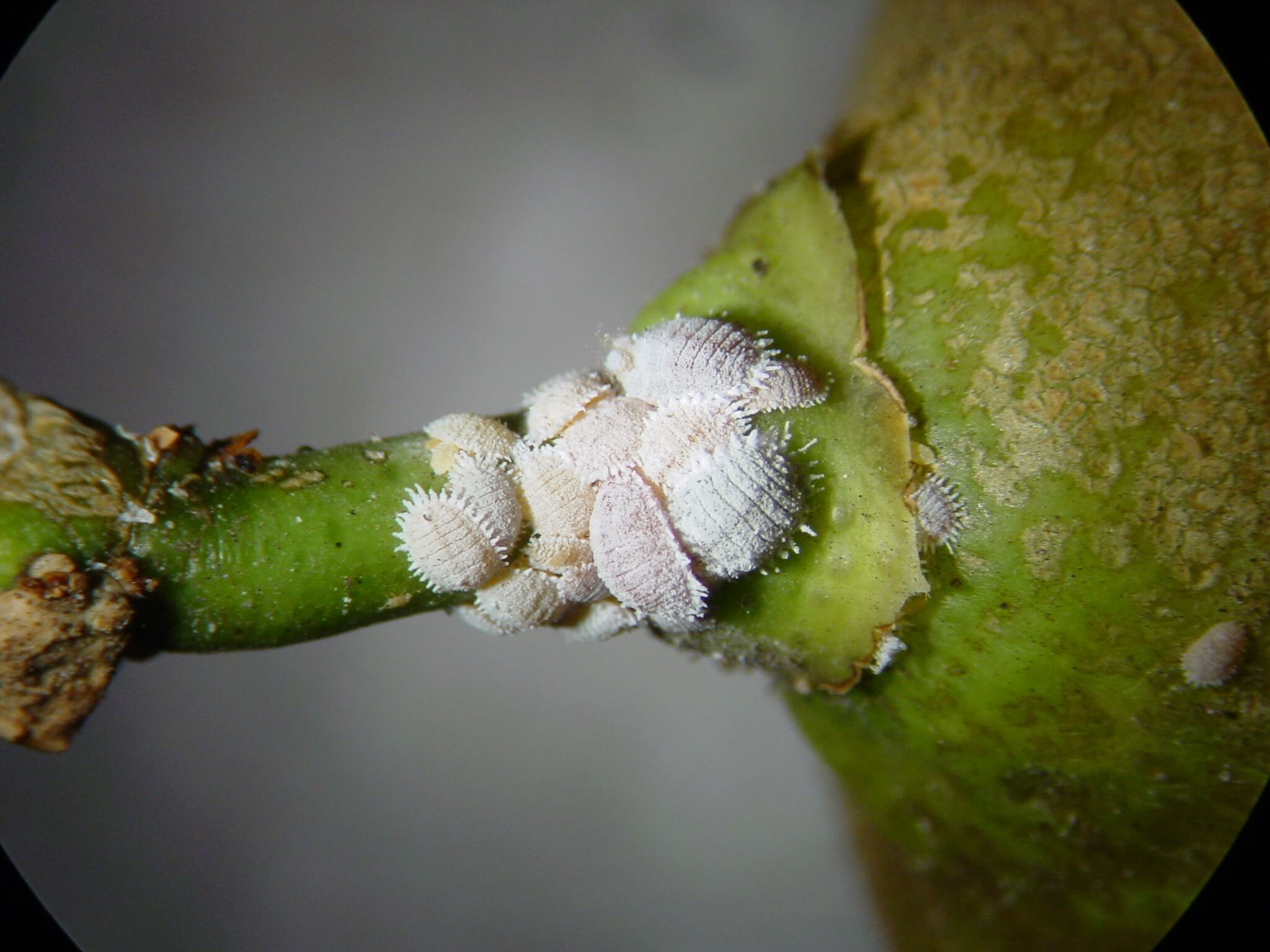
The cottony mealybug is a sap-sucking insect belonging to the Pseudococcidae family. These insects are known for their cottony appearance, as they are covered in a white waxy substance. They feed on plant sap, weakening their health and causing direct and indirect damage, such as the secretion of honeydew that can attract the appearance of black mold fungi.

SYMPTOMS
In citrus, the cottony mealybug can cause yellowing of the leaves, general weakening of the plant and a decrease in fruit production and quality. The honeydew secreted by these insects can promote the growth of sooty mold fungi, which stain the leaves and fruits, negatively affecting photosynthesis.
• Yellowing of the leaves.
• General weakening of the plant.
• Decrease in the production and quality of the fruits.
• Presence of sticky honeydew on the leaves and fruits.
• Appearance of sooty fungus.


TEMPERATURE AND HUMIDITY
20°C - 30°C
60% - 80%

TRANSMISSION ROUTES
Direct contact, transportation of plant material, pruning tools.
Do you want to remove this disease? Choose how you want to treat it.

TREATMENTS
Chemical treatments
• ORANGE OIL 60g/L [ME] P/S
• PARAFFIN OIL (CAS [64742-46-7]) 79% [EC] P/V
• PARAFFIN OIL (CAS [64742-46-7]) 80% [EC] P/V
• PARAFFIN OIL (CAS [8042-47-5]) 54.6% [EW] P/V
• PARAFFIN OIL (CAS [8042-47-5]) 79% [EC] P/V
• PARAFFIN OIL (CAS [97862-82-3]) 80% [EC] P/V
• Paraffin oil 65.4% [EW] P/V
• PARAFFIN OIL 81.7% [EC] P/V
• PARAFFIN OIL 83% [EC] P/V
• ACETAMIPRID 20% [SG] P/P
• AZADIRACTIN 1% (AS AZADIRACTIN A) [EC] P/V
• Azadirachtin 2.6% (AS AZADIRACTIN A) [EC] P/V
• DELTAMETHRIN 2.5% [EC] P/V
• MALTODEXTRIN 47.6% [SL] P/V
• PYRIPROXIFEN 10% [EC] P/V
• Planococcus citri (Pheromone)
• POTASSIUM SALTS OF FATTY ACIDS C14-C20 48% [EW] P/V
• SPIROTETRAMAT 10% [SC] P/V
• SPIROTETRAMAT 15% [OD] P/V
Authorized treatments in organic farming
• ORANGE OIL 60g/L [ME] P/S
• PARAFFIN OIL (CAS [64742-46-7]) 79% [EC] P/V
• PARAFFIN OIL (CAS [64742-46-7]) 80% [EC] P/V
• PARAFFIN OIL (CAS [8042-47-5]) 54.6% [EW] P/V
• PARAFFIN OIL (CAS [8042-47-5]) 79% [EC] P/V
• PARAFFIN OIL (CAS [97862-82-3]) 80% [EC] P/V
• Paraffin oil 65.4% [EW] P/V
• PARAFFIN OIL 81.7% [EC] P/V
• PARAFFIN OIL 83% [EC] P/V
• AZADIRACTIN 1% (AS AZADIRACTIN A) [EC] P/V
• Azadirachtin 2.6% (AS AZADIRACTIN A) [EC] P/V
• Planococcus citri (Pheromone)
• POTASSIUM SALTS OF FATTY ACIDS C14-C20 48% [EW] P/V
Biological control
• CRYPTOLAEMUS MONTROUZIERI
Recommendations
• Regular inspection of plants to detect early infestations.
• Biological control through the introduction of natural predators, such as ladybugs and parasitoid wasps.
• Application of specific insecticides to control populations.
• Prune and eliminate the most affected parts of the plant.
• Clean the honeydew from the leaves with soapy water to prevent the proliferation of fungi.





*The recommended treatments are recommendations based on the authorities' databases and do not replace in any way the guidelines established by the legislation of each country.
*Products shown are recommendations and not our own products. As Amazon Associates, we earn revenue from purchases of recommended products.

TREATMENTS
Homemade remedies
There are no home treatments
Natural allies
Chemical treatments
There are no treatments for this disease. Treatments are directed at the insect vectors that transmit it. See insect treatments.

RECOMMENDATIONS

REPELLENT PLANTS
EFFECTIVE PRODUCTS TO ELIMINATE THIS DISEASE
*The recommended treatments are recommendations based on the authorities' databases and do not replace in any way the guidelines established by the legislation of each country.
*Products shown are recommendations and not our own products. As Amazon Associates, we earn revenue from purchases of recommended products.



Explore more tools
Services
Contact
Legal
©2026 by ZERIMAR S.A.R.L. All rights reserved