


Symptoms, treatments, and recommendations for treating mealybugs
Mealybug
Planococcus Citri
Pathogen:
Type:
Insect
Risk:
HIGH

Arándano
Cochinillas


WHO CAUSES IT?
Planococcus citri, known as the citrus mealybug, is a small, oval insect covered in a white waxy substance that gives it its distinctive appearance. This insect goes through several stages of development: egg, nymph and adult. The eggs, which are laid in masses protected by a cottony sac, hatch into mobile nymphs known as "crawlers." The nymphs disperse throughout the plant in search of suitable places to feed. As nymphs grow, they shed their exoskeleton several times before becoming adults. Adults can be male or female, although males are less common and shorter-lived. Females, which are flightless, can reproduce parthenogenetically, meaning they can produce offspring without the need for fertilization by males. This reproduction mechanism, along with its ability to hide in cracks and under the bark of plants, makes Planococcus citri especially difficult to control.

SYMPTOMS
In blueberries, Planococcus citri causes a disease known as mealybug, which affects both the growth and quality of the fruit. This insect feeds by sucking plant sap, weakening plant tissue and producing sugary excretions that favor the growth of sooty mold fungi. The presence of these fungi not only reduces photosynthesis, but also disfigures the fruits, making them less attractive for the market. The main symptoms are:
- Presence of white cottony masses on leaves, stems and fruits.
- Yellowing and premature leaf fall.
- Reduction of plant vigor and growth.
- Development of sooty mold fungi on the excreted molasses.
- Fruits deformed and covered with waxy residue.
- Appearance of nymphs and adults on the surface of plants.


TEMPERATURE AND HUMIDITY
20°C - 30°C
60% - 80%

TRANSMISSION ROUTES
Wind, Infested plants, Movements of winged insects, Contaminated tools, Clothing and footwear
Do you want to remove this disease? Choose how you want to treat it.

TREATMENTS
Chemical treatments
• RAPE OIL 1.53% [AL] P/V
• RAPE OIL 77.7% [EC] P/V
• RAPE OIL 848.24 g/l [EC] P/V
• ORANGE OIL 60g/L [ME] P/S
• PARAFFIN OIL (CAS [8042-47-5]) 54.6% [EW] P/V
• PARAFFIN OIL (CAS [97862-82-3]) 40% [EW] P/V
• PARAFFIN OIL (CAS [97862-82-3]) 80% [EC] P/V
• AZADIRACTIN 1% (AS AZADIRACTIN A) [EC] P/V
• Azadirachtin 2.6% (AS AZADIRACTIN A) [EC] P/V
• MALTODEXTRIN 47.6% [SL] P/V
• Planococcus citri (Pheromone)
• POTASSIUM SALTS OF FATTY ACIDS C14-C20 48% [EW] P/V
• SPIROTETRAMAT 10% [SC] P/V
Authorized treatments in organic farming
• RAPE OIL 1.53% [AL] P/V
• RAPE OIL 77.7% [EC] P/V
• RAPE OIL 848.24 g/l [EC] P/V
• ORANGE OIL 60g/L [ME] P/S
• PARAFFIN OIL (CAS [8042-47-5]) 54.6% [EW] P/V
• PARAFFIN OIL (CAS [97862-82-3]) 40% [EW] P/V
• PARAFFIN OIL (CAS [97862-82-3]) 80% [EC] P/V
• AZADIRACTIN 1% (AS AZADIRACTIN A) [EC] P/V
• Azadirachtin 2.6% (AS AZADIRACTIN A) [EC] P/V
• MALTODEXTRIN 47.6% [SL] P/V
• Planococcus citri (Pheromone)
• POTASSIUM SALTS OF FATTY ACIDS C14-C20 48% [EW] P/V
Biological control
• CRYPTOLAEMUS MONTROUZIERI
Recommendations
- Regularly inspect plants to detect the presence of mealybugs early.
- Promote crop biodiversity by introducing or encouraging natural enemies such as parasitoid wasps and ladybugs.
- Apply horticultural oils or insecticidal soaps that affect the waxy covering of mealybugs, making them more vulnerable.
- Maintain good hygiene in the crop, eliminating plant debris and affected parts of the plants.
- Avoid excessive use of nitrogen fertilizers, which can encourage the proliferation of scale insects.
- Implement physical barriers or mesh to protect plants from infestation.
- Use sticky traps to monitor and reduce the mealybug population.
- Apply specific chemical treatments only when necessary, rotating the products to avoid resistance.
- Use blueberry cultivars that are resistant to mealybug if available.
- Ensure adequate irrigation and balanced fertilization to keep plants strong and less susceptible.

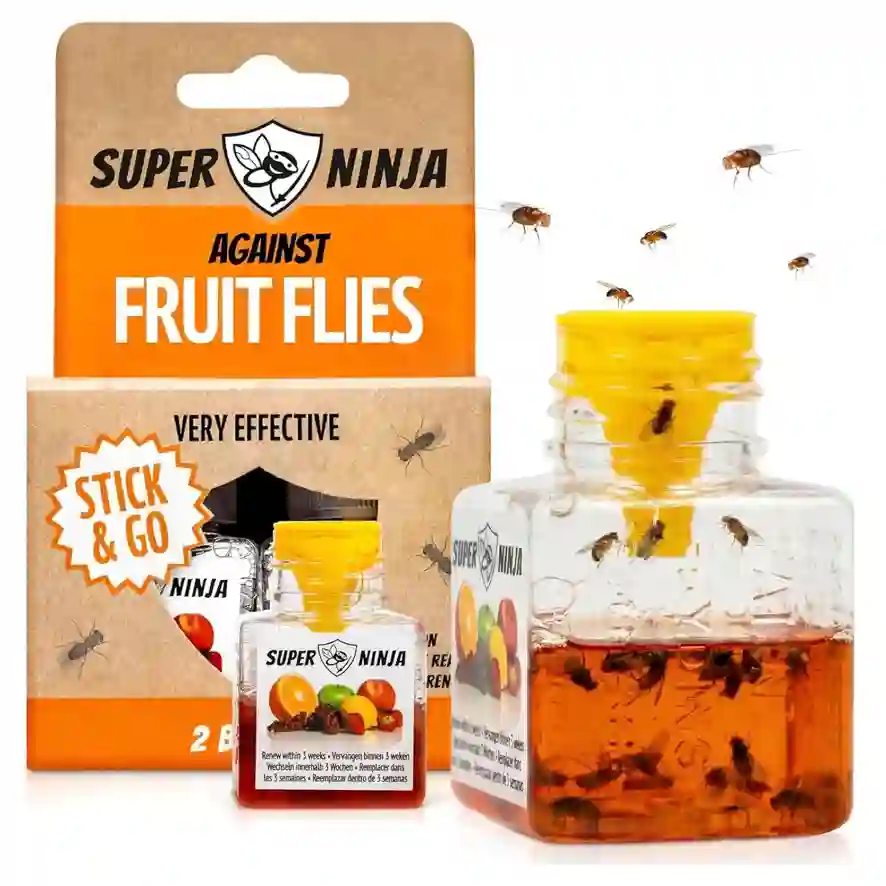
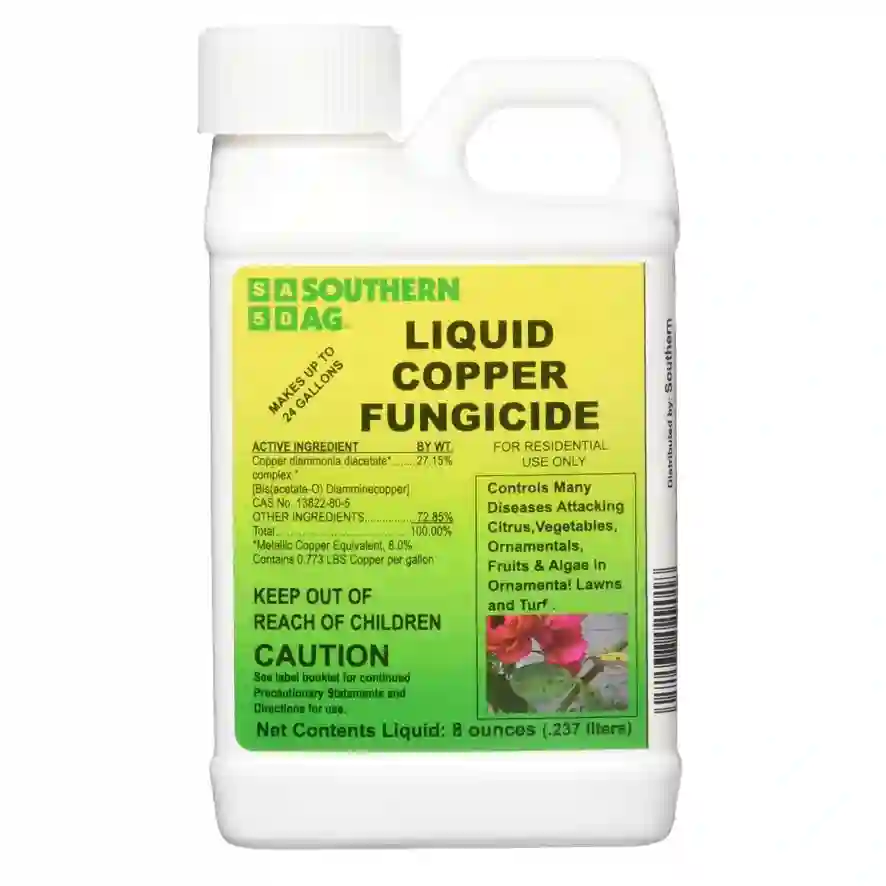


*The recommended treatments are recommendations based on the authorities' databases and do not replace in any way the guidelines established by the legislation of each country.
*Products shown are recommendations and not our own products. As Amazon Associates, we earn revenue from purchases of recommended products.

TREATMENTS
Homemade remedies
There are no home treatments
Natural allies
Chemical treatments
There are no treatments for this disease. Treatments are directed at the insect vectors that transmit it. See insect treatments.

RECOMMENDATIONS

REPELLENT PLANTS
EFFECTIVE PRODUCTS TO ELIMINATE THIS DISEASE
*The recommended treatments are recommendations based on the authorities' databases and do not replace in any way the guidelines established by the legislation of each country.
*Products shown are recommendations and not our own products. As Amazon Associates, we earn revenue from purchases of recommended products.



Explore more tools
Services
Contact
Legal
©2026 by ZERIMAR S.A.R.L. All rights reserved