


Symptoms, treatments, and recommendations for treating sooty mold disease
Soot Disease
Gloeodes Pomigena / Phyllachora Pomigena
Pathogen:
Type:
Fungus
Risk:
INTERMEDIATE
Frutales de pepita
Micosis/Hongos

WHO CAUSES IT?
Gloeodes pomigena, also known as Phyllachora pomigena, is a pathogenic fungus that mainly affects pome fruit trees. This fungus manifests itself more frequently in conditions of high humidity and moderate temperatures. During warm, humid seasons, spores of the fungus spread through the air and water, adhering to the surfaces of plant leaves and fruits. Once established, the spores germinate and the fungus begins to develop, penetrating the surface tissues of the host. Throughout its development, the fungus forms black structures known as stroma on the surface of affected tissues, resulting in the characteristic sooty appearance. These structures release new spores that can infect other parts of the plant or neighboring plants, perpetuating the infectious cycle throughout the growing season.

SYMPTOMS
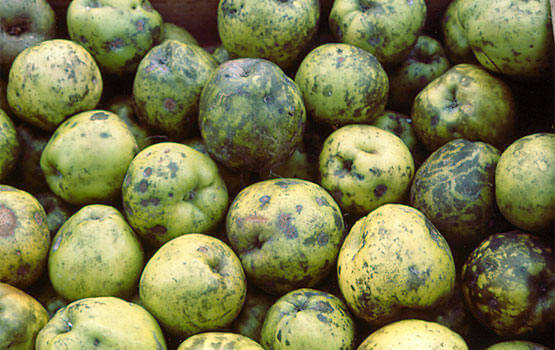
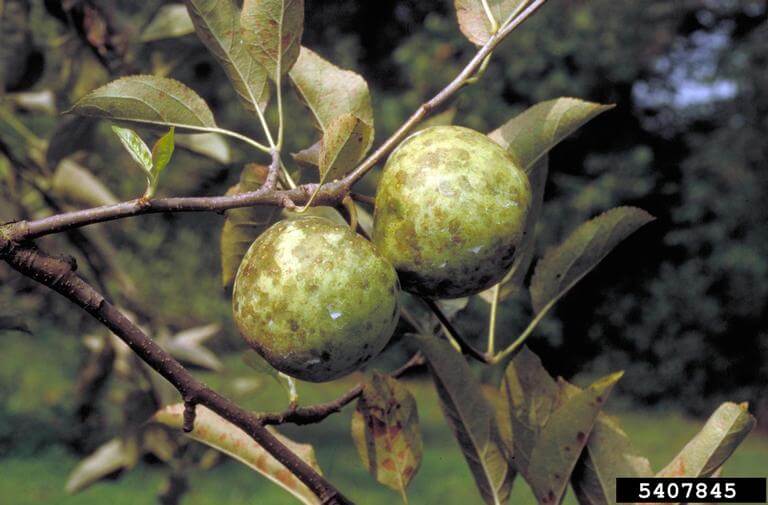
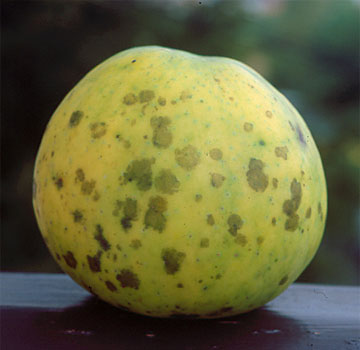
Sooty disease affects pome fruit trees, producing black Taches on the leaves, stems and fruits, which can reduce photosynthesis and affect fruit quality.
- Black Taches, similar to soot, on the surface of the leaves, stems and fruits.
- Reduction of photosynthesis due to spot coverage.
- Dirty appearance and decreased commercial quality of the fruits.
- Premature fall of affected leaves.
- General deterioration of plant health.


TEMPERATURE AND HUMIDITY
20-25 °C
70-90 %

TRANSMISSION ROUTES
Wind-borne spores, contaminated irrigation water, contaminated pruning tools, contact with infected plants, infected plant debris
Do you want to remove this disease? Choose how you want to treat it.

TREATMENTS
Chemical treatments
• SULFUR 70% [SC] P/V
• SULFUR 72% [SC] P/V
• SULFUR 80% [SC] P/V
• SULFUR 80% [WG] P/P
• SULFUR 80% [WP] P/P
• SULFUR 82.5% [SC] P/V
• CUPRIC HYDROXIDE 13.6% (EXPR. IN CU) + COPPER OXYCHLORIDE 13.6% (EXPR. IN CU) [SC] P/V
• CUPRIC HYDROXIDE 20% (EXPR. IN CU) [WG] P/P
• CUPRIC HYDROXIDE 25% (EXPR. IN CU) [WG] P/P
• CUPRIC HYDROXIDE 35% (EXPR. IN CU) [WG] P/P
• CUPRIC HYDROXIDE 36% (EXPR. IN CU) [SC] P/V
• CUPRIC HYDROXIDE 40% (EXPR. IN CU) [WG] P/P
• CUPRIC HYDROXIDE 50% (EXPR. IN CU) [WG] P/P
• CUPRIC HYDROXIDE 50% (EXPR. IN CU) [WP] P/P
• COPPER OXYCHLORIDE 14% (exp. in Cu) + CUPRIC HYDROXIDE 14% (exp. in Cu) [WG] P/P
• COPPER OXYCHLORIDE 25% (EXPR. IN CU) [WG] P/P
• COPPER OXYCHLORIDE 30% (EXPR. IN CU) [WP] P/P
• COPPER OXYCHLORIDE 35% (exp. in Cu) [WG] P/P
• COPPER OXYCHLORIDE 35% (EXPR. IN CU) [WG] P/P
• COPPER OXYCHLORIDE 37.5% (EXPR. IN CU) [WG] P/P
• COPPER OXYCHLORIDE 38% (EXPR. IN CU) [SC] P/V
• COPPER OXYCHLORIDE 50% (EXPR. IN CU) [WG] P/P
• COPPER OXYCHLORIDE 50% (EXPR. IN CU) [WP] P/P
• COPPER OXYCHLORIDE 52% (EXPR. IN CU) [SC] P/V
• COPPER OXYCHLORIDE 70% (EXPR. IN CU) [SC] P/V
• COPPER OXYCHLORIDE 70% [SC] P/V
• CUPROUS OXIDE 75% (EXPR. IN CU) [WG] P/P
• CUPROCALCIC SULFATE 12.4% (EXPR. IN CU) [SC] P/V
• CUPROCALCIC SULFATE 20% (EXPR. IN CU) [WG] P/P
• CUPROCALCIC SULFATE 20% (EXPR. IN CU) [WP] P/P
• CUPROCALCIC SULFATE 20% (EXPR. IN CU) [WG] P/P
• CUPROCALCIC SULFATE 20% [WP] P/P
• TEBUCONAZOLE 25% [WG] P/P
Authorized treatments in organic farming
• SULFUR 70% [SC] P/V
• SULFUR 72% [SC] P/V
• SULFUR 80% [SC] P/V
• SULFUR 80% [WG] P/P
• SULFUR 80% [WP] P/P
• SULFUR 82.5% [SC] P/V
• CUPRIC HYDROXIDE 13.6% (EXPR. IN CU) + COPPER OXYCHLORIDE 13.6% (EXPR. IN CU) [SC] P/V
• CUPRIC HYDROXIDE 20% (EXPR. IN CU) [WG] P/P
• CUPRIC HYDROXIDE 25% (EXPR. IN CU) [WG] P/P
• CUPRIC HYDROXIDE 35% (EXPR. IN CU) [WG] P/P
• CUPRIC HYDROXIDE 36% (EXPR. IN CU) [SC] P/V
• CUPRIC HYDROXIDE 40% (EXPR. IN CU) [WG] P/P
• CUPRIC HYDROXIDE 50% (EXPR. IN CU) [WG] P/P
• CUPRIC HYDROXIDE 50% (EXPR. IN CU) [WP] P/P
• COPPER OXYCHLORIDE 14% (exp. in Cu) + CUPRIC HYDROXIDE 14% (exp. in Cu) [WG] P/P
• COPPER OXYCHLORIDE 25% (EXPR. IN CU) [WG] P/P
• COPPER OXYCHLORIDE 30% (EXPR. IN CU) [WP] P/P
• COPPER OXYCHLORIDE 35% (exp. in Cu) [WG] P/P
• COPPER OXYCHLORIDE 35% (EXPR. IN CU) [WG] P/P
• COPPER OXYCHLORIDE 37.5% (EXPR. IN CU) [WG] P/P
• COPPER OXYCHLORIDE 38% (EXPR. IN CU) [SC] P/V
• COPPER OXYCHLORIDE 50% (EXPR. IN CU) [WG] P/P
• COPPER OXYCHLORIDE 50% (EXPR. IN CU) [WP] P/P
• COPPER OXYCHLORIDE 52% (EXPR. IN CU) [SC] P/V
• COPPER OXYCHLORIDE 70% (EXPR. IN CU) [SC] P/V
• COPPER OXYCHLORIDE 70% [SC] P/V
• CUPROUS OXIDE 75% (EXPR. IN CU) [WG] P/P
• CUPROCALCIC SULFATE 12.4% (EXPR. IN CU) [SC] P/V
• CUPROCALCIC SULFATE 20% (EXPR. IN CU) [WG] P/P
• CUPROCALCIC SULFATE 20% (EXPR. IN CU) [WP] P/P
• CUPROCALCIC SULFATE 20% (EXPR. IN CU) [WG] P/P
• CUPROCALCIC SULFATE 20% [WP] P/P
Biological control
• BACILLUS AMYLOLIQUEFACIENS (subsp. plantarum, strain D747) 25% [WG] P/P
Recommendations
- Maintain good air circulation in the garden through proper pruning and spacing of trees.
- Avoid sprinkler irrigation that keeps the leaves wet for long periods.
- Implement a regular monitoring program to detect the first signs of the disease.
- Apply recommended preventive and curative fungicides to control the fungus.
- Remove and destroy infected plant remains to reduce the source of inoculum.
- Promote integrated pest management (IPM) practices that include crop rotations and the use of resistant cultivars.
- Improve soil drainage to avoid conditions of excess humidity that favor the pathogen.
- Promote the nutritional balance of plants through adequate fertilization.





*The recommended treatments are recommendations based on the authorities' databases and do not replace in any way the guidelines established by the legislation of each country.
*Products shown are recommendations and not our own products. As Amazon Associates, we earn revenue from purchases of recommended products.

TREATMENTS
Homemade remedies
There are no home treatments
Natural allies
Chemical treatments
There are no treatments for this disease. Treatments are directed at the insect vectors that transmit it. See insect treatments.

RECOMMENDATIONS

REPELLENT PLANTS
EFFECTIVE PRODUCTS TO ELIMINATE THIS DISEASE
*The recommended treatments are recommendations based on the authorities' databases and do not replace in any way the guidelines established by the legislation of each country.
*Products shown are recommendations and not our own products. As Amazon Associates, we earn revenue from purchases of recommended products.



Explore more tools
Services
Contact
Legal
©2026 by ZERIMAR S.A.R.L. All rights reserved