


Symptoms, treatments, and recommendations for treating olive glyphosate or jasmine moth
Olive Glyphodes Or Jasmine Moth
Palpita Unionalis
Pathogen:
Type:
Insect
Risk:
INTERMEDIATE

Olivo
Polillas

WHO CAUSES IT?
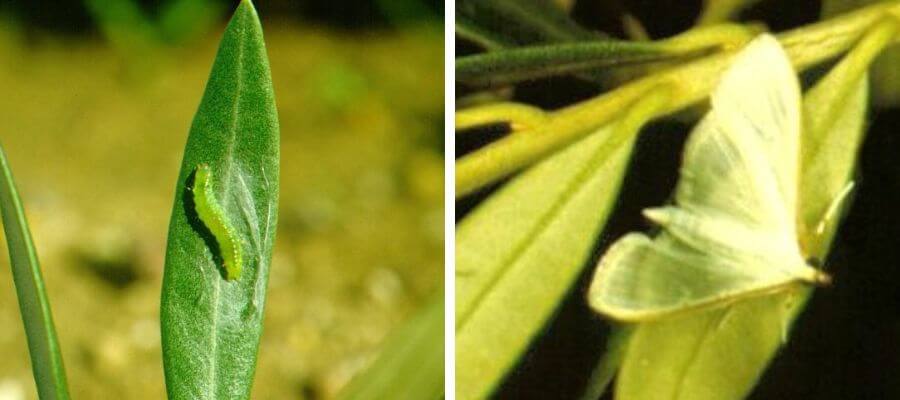
Palpita unionalis is a moth also known as the olive glyphodes or jasmine moth. The life cycle of the pathogen begins with the laying of eggs on olive leaves, especially on the terminal branches. The larvae develop inside the leaves, feeding on them. As they grow, the larvae can weave a kind of shelter with silk and leaf remains, where they continue their development until they become pupae. After the pupal stage, they emerge as adult moths.

SYMPTOMS
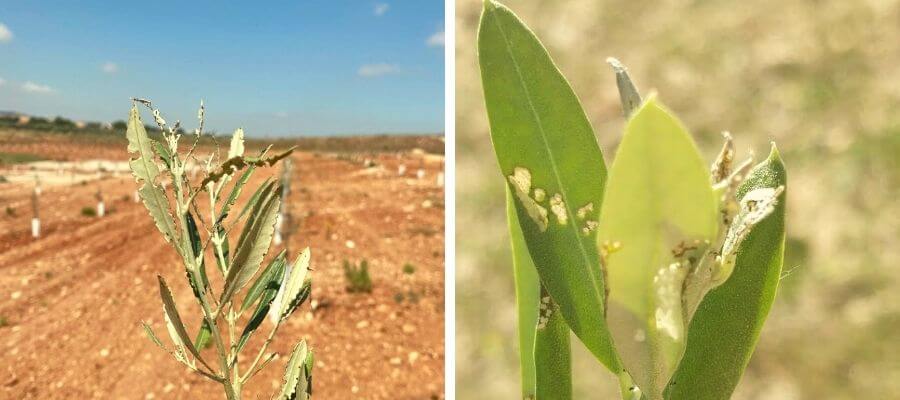
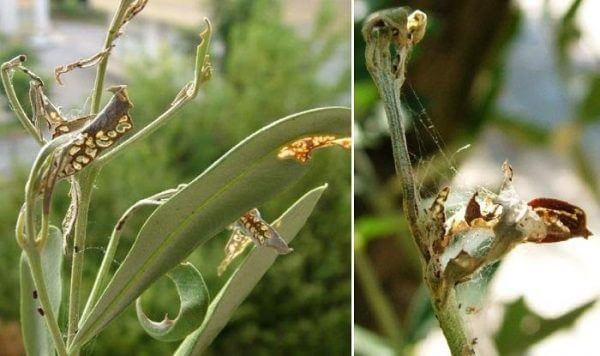
Glyphodes causes damage to the leaves and terminal branches of the olive tree. The larvae feed on the leaves, causing defoliation and, in severe cases, can compromise the growth and productivity of the tree.
• Partial or total defoliation of terminal branches.
• Damage to the leaves, especially the terminals.
• Presence of silk structures woven by the larvae.
• Delay in the growth of the olive tree.
• Loss of vigor and productivity.


TEMPERATURE AND HUMIDITY
20°C - 30°C
60% - 70%

TRANSMISSION ROUTES
Movement of adult moths, eggs attached to leaves or branches, contaminated pruning tools.
Do you want to remove this disease? Choose how you want to treat it.

TREATMENTS
Chemical treatments
• CYPERMETHRIN 5% [EC] P/V
• DELTAMETHRIN 10% [EC] P/V
• DELTAMETHRIN 2.5% [EC] P/V
• LAMBDA CYHALOTHRIN 1.5% [CS] P/V
• Margaronia unionalis (Pheromones) (Lepidoptera attractant pheromones)
Authorized treatments in organic farming
• LAMBDA CYHALOTHRIN 1.5% [CS] P/V
• Margaronia unionalis (Pheromones) (Lepidoptera attractant pheromones)
Biological control
-
Recommendations
• Conduct regular monitoring to detect early signs of infestation.
• Use pheromone traps to capture and monitor the moth population.
• Apply specific insecticides when populations reach harmful levels.
• Encourage the presence of natural enemies, such as parasitic wasps.
• Avoid excessive pruning that could encourage the development of tender and vulnerable shoots.
• Maintain a clean environment free of pruning debris to minimize refuges for larvae.





*The recommended treatments are recommendations based on the authorities' databases and do not replace in any way the guidelines established by the legislation of each country.
*Products shown are recommendations and not our own products. As Amazon Associates, we earn revenue from purchases of recommended products.

TREATMENTS
Homemade remedies
There are no home treatments
Natural allies
Chemical treatments
There are no treatments for this disease. Treatments are directed at the insect vectors that transmit it. See insect treatments.

RECOMMENDATIONS

REPELLENT PLANTS
EFFECTIVE PRODUCTS TO ELIMINATE THIS DISEASE
*The recommended treatments are recommendations based on the authorities' databases and do not replace in any way the guidelines established by the legislation of each country.
*Products shown are recommendations and not our own products. As Amazon Associates, we earn revenue from purchases of recommended products.



Explore more tools
Services
Contact
Legal
©2026 by ZERIMAR S.A.R.L. All rights reserved