


Symptoms, treatments and recommendations for treating worms
Worms
Spodoptera Frugiperda, Helicoverpa Zea, Agrotis Ípsilon, Argyrotaenia Sp. , Heliothis Virescens, Etc...
Pathogen:
Type:
Insect
Risk:
HIGH
Arándano
Orugas o gusanos

WHO CAUSES IT?
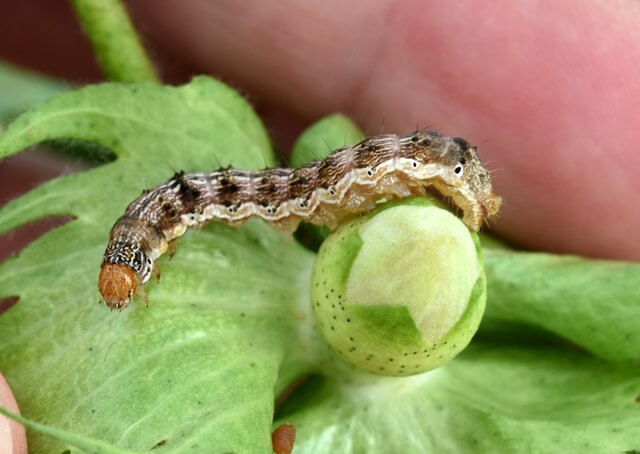
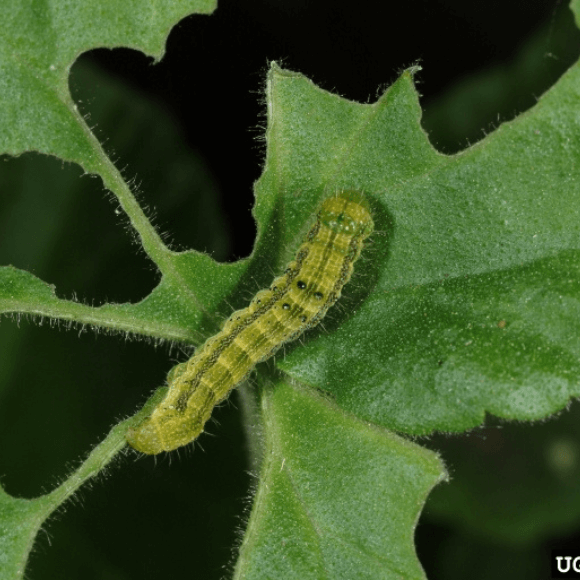
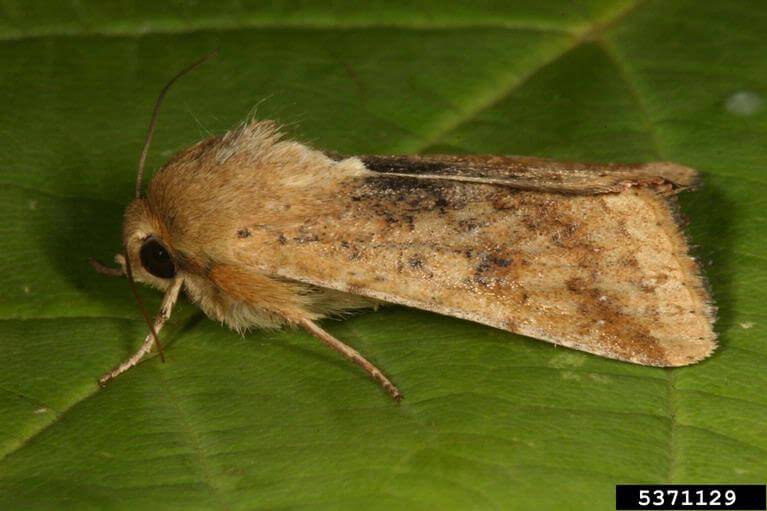
Spodoptera frugiperda, Helicoverpa zea, Agrotis ipsilon, Argyrotaenia sp. and Heliothis virescens are lepidopteran insects whose larvae, commonly known as maggots, represent a serious threat to blueberry crops. These insects go through four stages: egg, larva, pupa and adult. Females deposit their eggs on the surface of the leaves, where favorable environmental conditions allow them to hatch in a few days. The emerging larvae are highly voracious and go through several larval stages, during which they consume large amounts of plant tissue. Upon reaching their maximum development, the larvae burrow into the soil or attach to protected parts of the plant to pupate. They subsequently emerge as adults, completing the cycle and restarting the infestation by reproducing again. The cycle can repeat itself several times a year, especially in hot and humid climates, facilitating the persistence and expansion of the pest.

SYMPTOMS
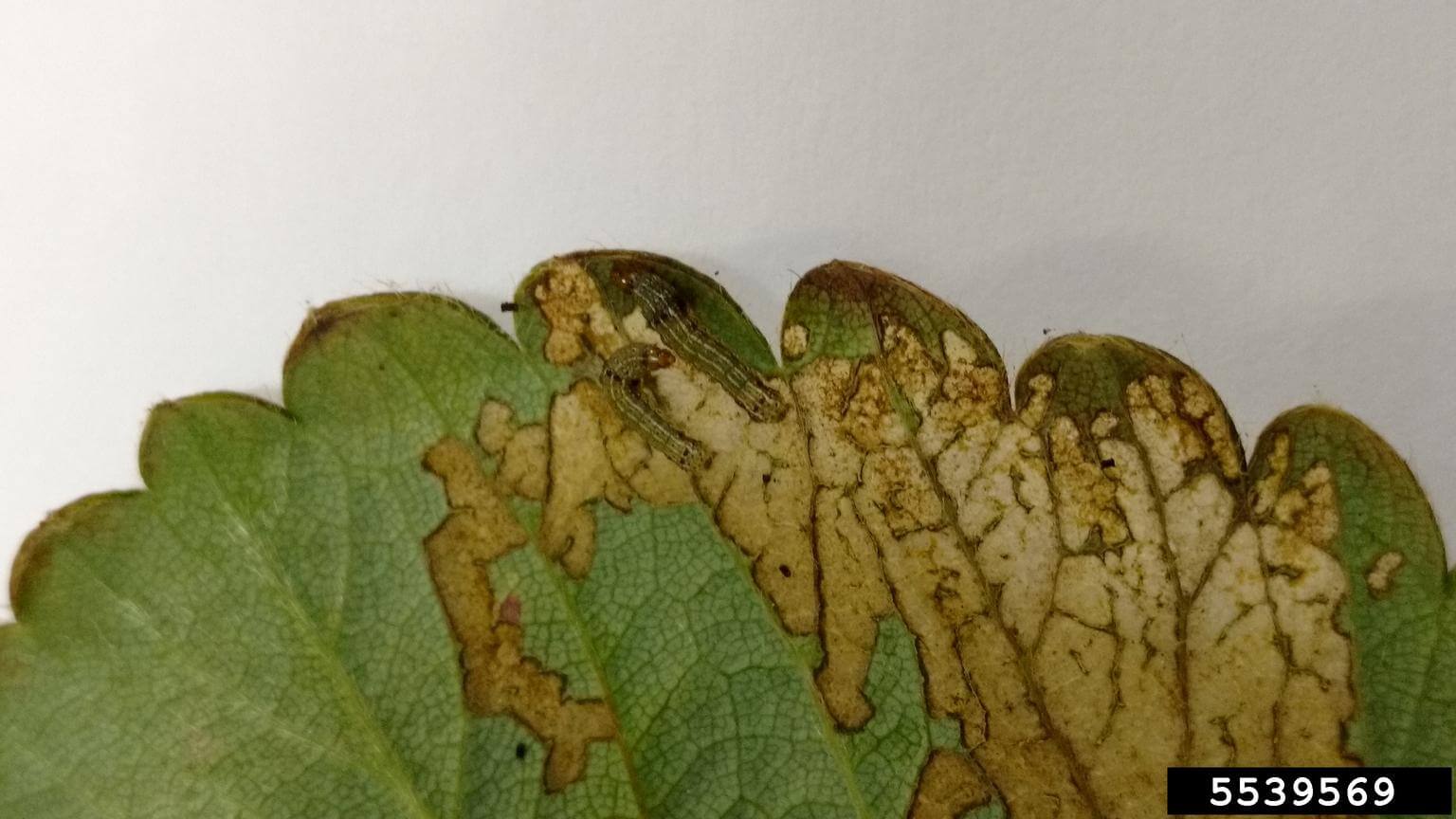
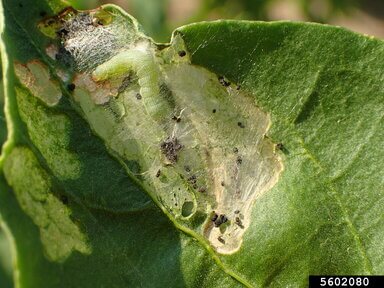
In blueberries, these worms cause significant disease due to their ability to destroy plant tissues. The larvae feed on leaves, shoots and fruits, causing damage that can result in decreased production and crop quality. The feeding activity of worms can also open doors to secondary infections by pathogens.
- Irregular holes in the leaves.
- Damaged or consumed buds and flowers.
- Perforated and deformed fruits.
- Presence of excrement (frass) on the surface of the leaves and fruits.
- Loss of vigor in plants.
- Decrease in the quantity and quality of the harvest.


TEMPERATURE AND HUMIDITY
20°C - 30°C
60% - 80%

TRANSMISSION ROUTES
Wind, movement of agricultural machinery, infested plants, contaminated substrate, flying adult insects
Do you want to remove this disease? Choose how you want to treat it.

TREATMENTS
Chemical treatments
• LAMBDA CYHALOTHRIN 0.15% [GR] P/P
• LAMBDA CYHALOTHRIN 0.24% [GR] P/P
• LAMBDA CYHALOTHRIN 0.4% [GR] P/P
Authorized treatments in organic farming
• LAMBDA CYHALOTHRIN 0.15% [GR] P/P
• LAMBDA CYHALOTHRIN 0.24% [GR] P/P
• LAMBDA CYHALOTHRIN 0.4% [GR] P/P
Biological control
• BACILLUS THURINGIENSIS KURSTAKI (EG 2348) (24x106 I.U./G) 18.3% [SC] P/V
• STEINERNEMA CARPOCAPSAE (Parasitoid and predatory nematodes)
Recommendations
- Implement crop rotation to interrupt the life cycle of worms.
- Carry out periodic and detailed monitoring for early detection of infestations.
- Use pheromone traps to capture and monitor the adult population.
- Apply biological insecticides such as Bacillus thuringiensis during the first larval stages.
- Promote biological control through the release of natural enemies such as parasitoids and predators.
- Keep the areas around the crop free of weeds and plant debris that could serve as a refuge for the larvae.
- Establish physical barriers or coverage to protect young plants.
- Promote cultivation practices that improve the health and resistance of plants.
- Carry out selective applications of chemical insecticides when necessary, following integrated pest management recommendations.
- Avoid excessive use of insecticides to prevent the development of resistance in worm populations.





*The recommended treatments are recommendations based on the authorities' databases and do not replace in any way the guidelines established by the legislation of each country.
*Products shown are recommendations and not our own products. As Amazon Associates, we earn revenue from purchases of recommended products.

TREATMENTS
Homemade remedies
There are no home treatments
Natural allies
Chemical treatments
There are no treatments for this disease. Treatments are directed at the insect vectors that transmit it. See insect treatments.

RECOMMENDATIONS

REPELLENT PLANTS
EFFECTIVE PRODUCTS TO ELIMINATE THIS DISEASE
*The recommended treatments are recommendations based on the authorities' databases and do not replace in any way the guidelines established by the legislation of each country.
*Products shown are recommendations and not our own products. As Amazon Associates, we earn revenue from purchases of recommended products.



Explore more tools
Services
Contact
Legal
©2026 by ZERIMAR S.A.R.L. All rights reserved