


Symptoms, treatments and recommendations for treating leaf spot
Leaf Spot
Cladosporium Cucumerinum
Pathogen:
Type:
Fungus
Risk:
INTERMEDIATE
Calabaza
Micosis/Hongos

WHO CAUSES IT?
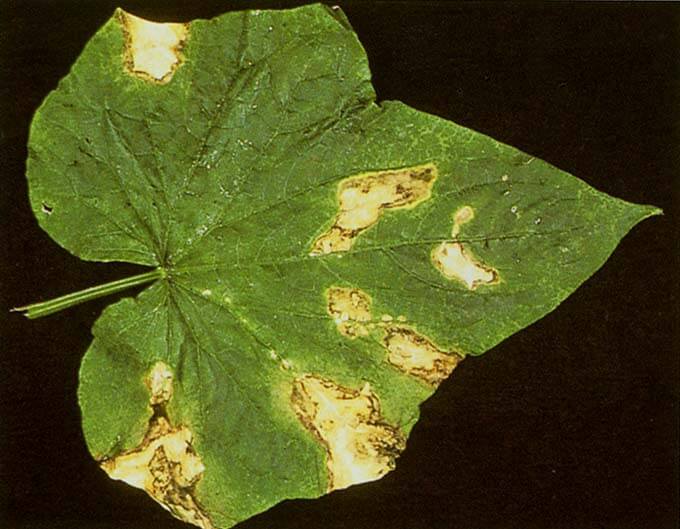
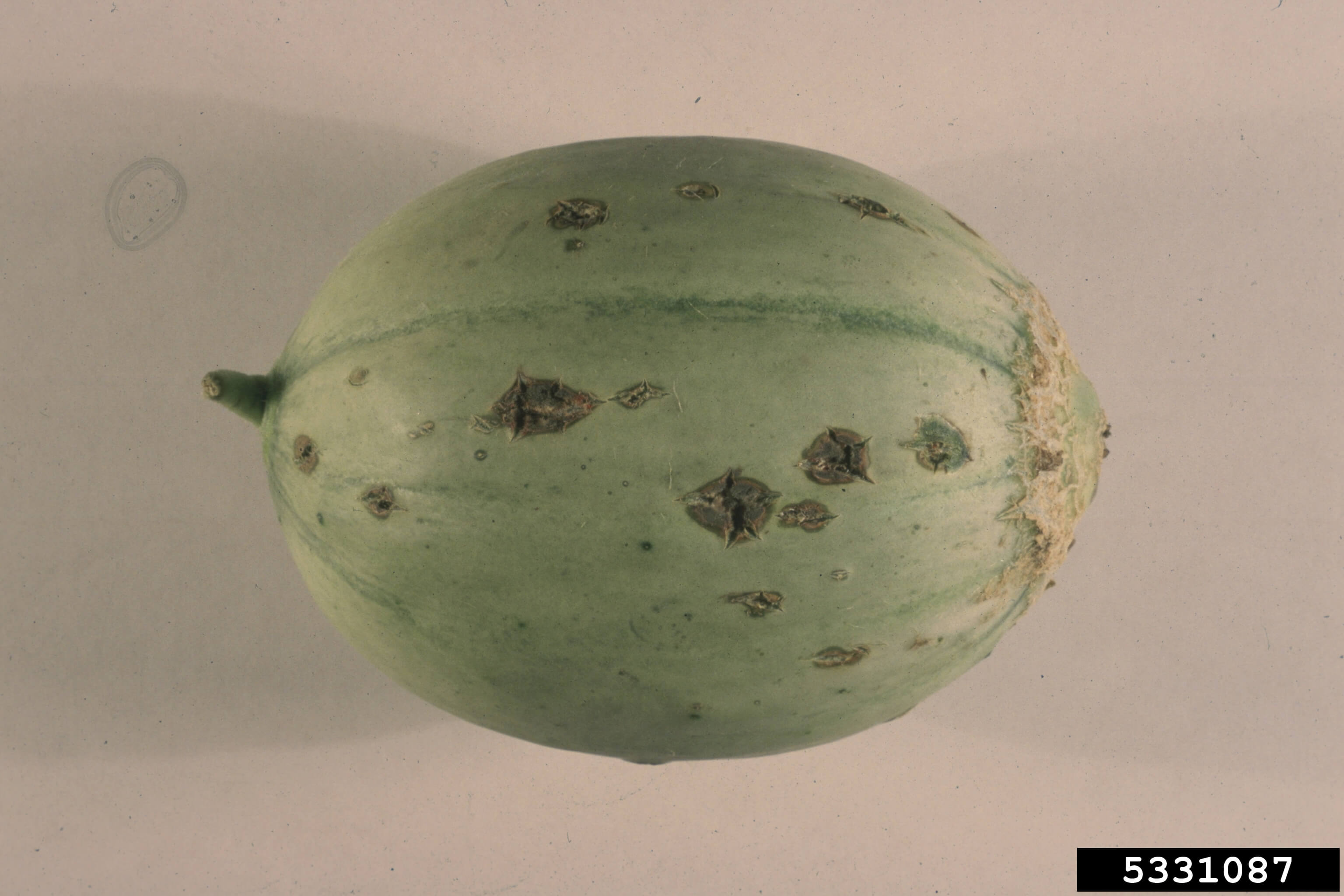
Cladosporium cucumerinum is a fungus that causes the disease known as leaf spot in squash plants. This pathogen has a complex life cycle that begins with the germination of spores on the surface of leaves. Once the spores germinate, the fungus penetrates the leaf tissues and begins to develop, forming dark brown or black Taches on the surface of the leaves. These Taches can expand over time and affect larger areas of the leaf, compromising the plant's ability to photosynthesize and absorb nutrients.

SYMPTOMS
Leaf spot infection on squash plants manifests with a number of general symptoms, including:
- Appearance of dark brown or black Taches on the leaves.
- Discoloration and wilting of affected areas.
- Reduction in the growth and development of the plant.
- Possible premature defoliation due to extensive leaf damage.


TEMPERATURE AND HUMIDITY
20°C - 30°C
60% - 80%

TRANSMISSION ROUTES
Irrigation water, wind, contaminated tools
Do you want to remove this disease? Choose how you want to treat it.

TREATMENTS
Chemical treatments
• AZOXISTROBIN 20% + DIFENOCONAZOLE 12.5% [SC] P/V
• AZOXISTROBIN 25% [SC] P/V
• DIFENOCONAZOLE 12.5% + CYFLUFENAMIDE 1.5% [DC] P/V
• TEBUCONAZOLE 20% [EW] P/V
• TEBUCONAZOLE 25% [EC] P/V
• TEBUCONAZOLE 25% [EW] P/V
• TEBUCONAZOLE 25% [WG] P/P
Authorized treatments in organic farming
-
Biological control
-
Recommendations
- Maintain an adequate distance between plants to promote air circulation.
- Avoid sprinkler irrigation to reduce humidity on the leaves.
- Remove and destroy infected leaves to prevent the spread of the fungus.
- Apply preventive fungicides at critical moments in the plant's growth cycle.
- Use disease-free planting material to avoid the introduction of pathogens into the crop.
- Carry out adequate crop rotation to reduce the accumulation of inoculum in the soil.





*The recommended treatments are recommendations based on the authorities' databases and do not replace in any way the guidelines established by the legislation of each country.
*Products shown are recommendations and not our own products. As Amazon Associates, we earn revenue from purchases of recommended products.

TREATMENTS
Homemade remedies
There are no home treatments
Natural allies
Chemical treatments
There are no treatments for this disease. Treatments are directed at the insect vectors that transmit it. See insect treatments.

RECOMMENDATIONS

REPELLENT PLANTS
EFFECTIVE PRODUCTS TO ELIMINATE THIS DISEASE
*The recommended treatments are recommendations based on the authorities' databases and do not replace in any way the guidelines established by the legislation of each country.
*Products shown are recommendations and not our own products. As Amazon Associates, we earn revenue from purchases of recommended products.



Explore more tools
Services
Contact
Legal
©2026 by ZERIMAR S.A.R.L. All rights reserved