


Symptoms, treatments and recommendations for treating onion leaf miner
Onion Miner
Phytomyza Gymnostoma
Pathogen:
Type:
Insect
Risk:
INTERMEDIATE
Cebolla
Minadores

WHO CAUSES IT?
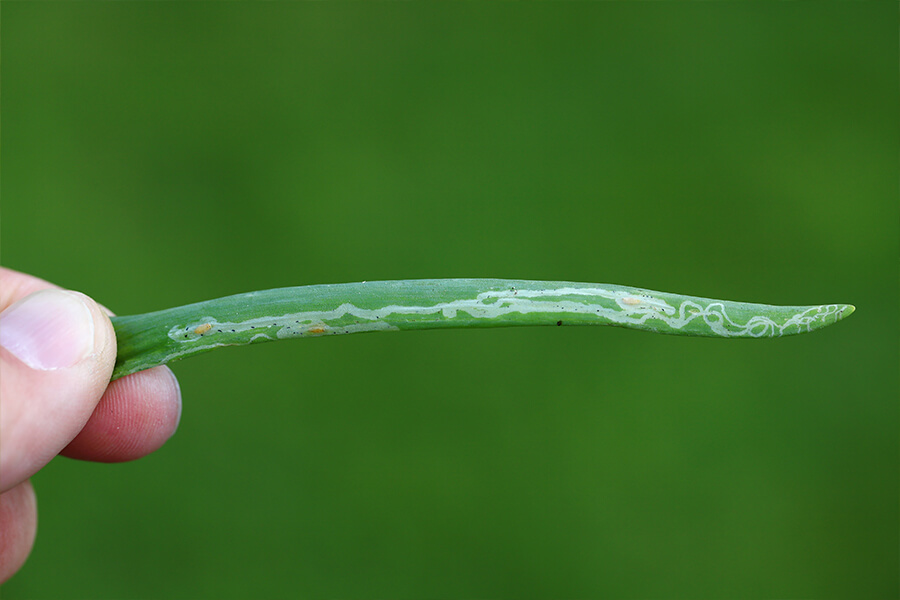
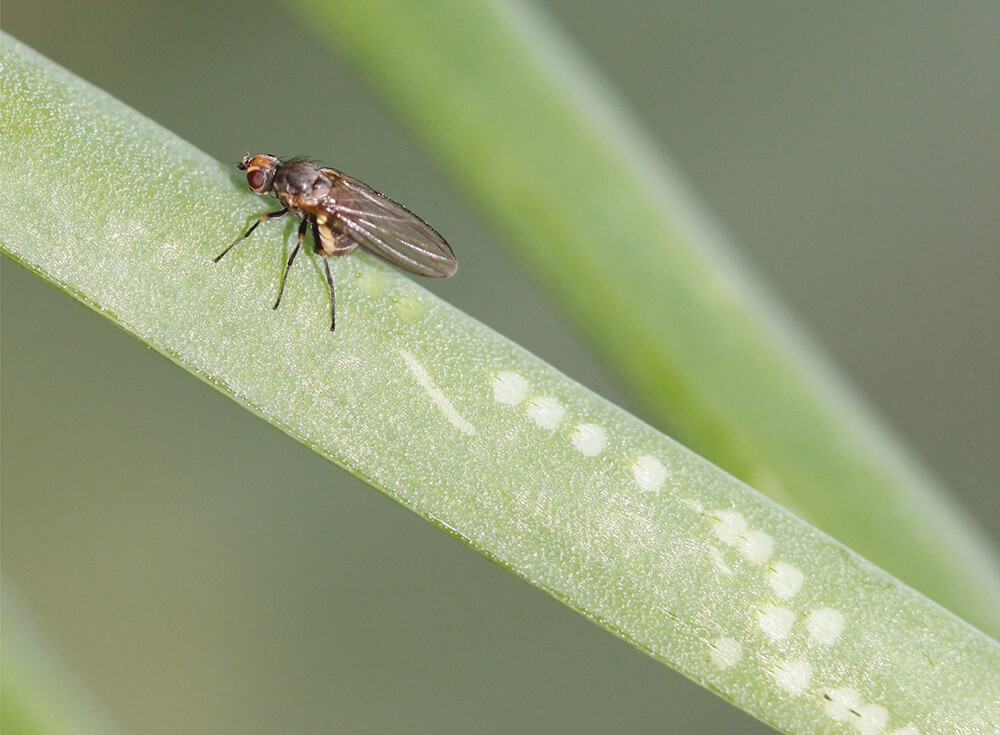
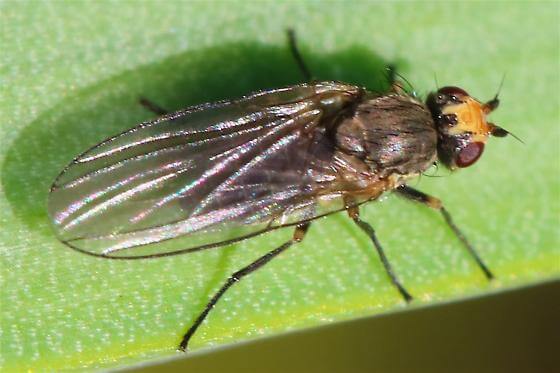
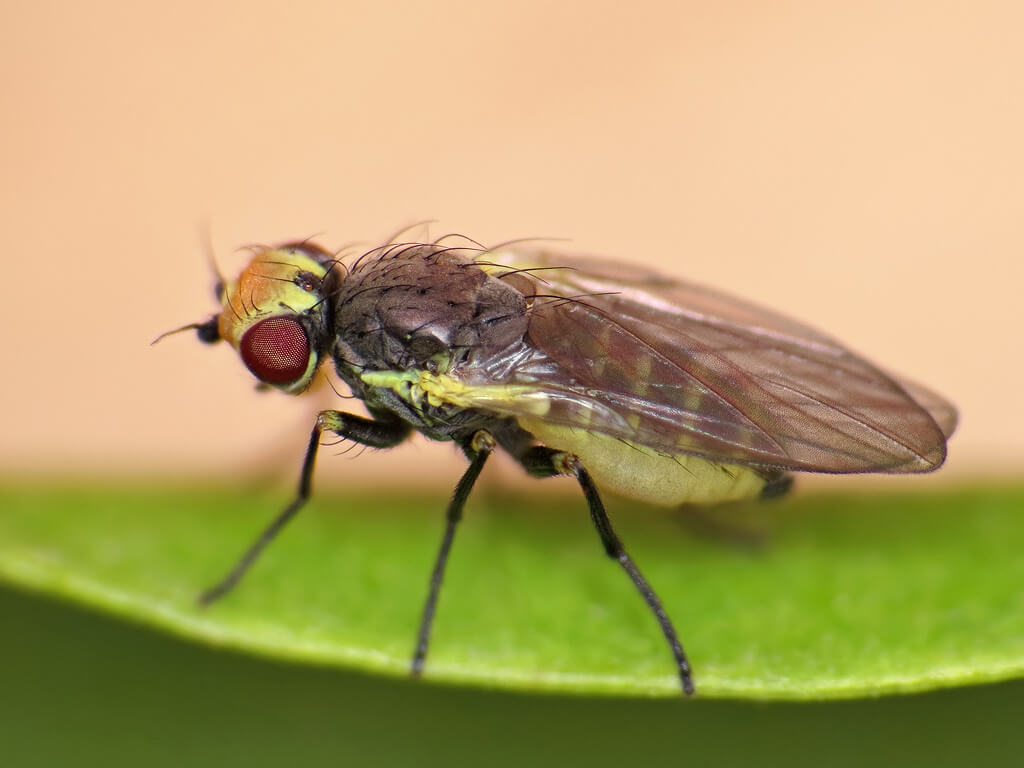
Phytomyza gymnostoma, known as the onion miner, is a phytophagous insect that affects onion crops. Females of this species lay eggs on the leaves of onions, where larvae emerge and begin feeding on the internal tissue. The larvae create tunnels or mines in the leaves, which can reduce the photosynthetic capacity of the plant. After completing their development, the larvae fall to the ground to pupate, giving rise to a new generation of adults that repeat the cycle.

SYMPTOMS
Damage caused by Phytomyza gymnostoma on onion includes the formation of tunnels or mines in the leaves. This can give the leaves a silvery or yellowish appearance and can weaken the plant, reducing its vigor and ability to produce quality crops.
• Appearance of tunnels or mines in onion leaves.
• Leaves with a silvery or yellowish appearance.
• Reduction of the photosynthetic capacity of the plant.
• General weakening of the plant and lower quality of the harvest.


TEMPERATURE AND HUMIDITY
15 ºC - 25ºC
60% - 80%

TRANSMISSION ROUTES
Flight of adults, eggs laid on leaves.
Do you want to remove this disease? Choose how you want to treat it.

TREATMENTS
Chemical treatments
• AZADIRACTIN 1% (AS AZADIRACTIN A) [EC] P/V
• Azadirachtin 2.6% (AS AZADIRACTIN A) [EC] P/V
• DELTAMETHRIN 2.5% [EC] P/V
Authorized treatments in organic farming
• AZADIRACTIN 1% (AS AZADIRACTIN A) [EC] P/V
• Azadirachtin 2.6% (AS AZADIRACTIN A) [EC] P/V
Biological control
• HETERORHABDITIS BACTERIOPHORA (Parasitoid and predatory nematodes)
• STEINERNEMA CARPOCAPSAE (Parasitoid and predatory nematodes)
• DACNUSA SIBIRICA (Parasitoid and predatory insects)
• ADHESIVE TRAPS
Recommendations
• Use onion varieties that are resistant or tolerant to leaf miner.
• Regularly monitor crops for leaf mines.
• Use pheromone traps to catch adults and control their population.
• Practice crop rotation to reduce pest pressure on the soil.
• Maintain good weed management to eliminate possible alternative hosts.
• Avoid excessive use of insecticides to protect the natural enemies of the leafminer.
• Apply specific insecticides following local recommendations when necessary.





*The recommended treatments are recommendations based on the authorities' databases and do not replace in any way the guidelines established by the legislation of each country.
*Products shown are recommendations and not our own products. As Amazon Associates, we earn revenue from purchases of recommended products.

TREATMENTS
Homemade remedies
There are no home treatments
Natural allies
Chemical treatments
There are no treatments for this disease. Treatments are directed at the insect vectors that transmit it. See insect treatments.

RECOMMENDATIONS

REPELLENT PLANTS
EFFECTIVE PRODUCTS TO ELIMINATE THIS DISEASE
*The recommended treatments are recommendations based on the authorities' databases and do not replace in any way the guidelines established by the legislation of each country.
*Products shown are recommendations and not our own products. As Amazon Associates, we earn revenue from purchases of recommended products.



Explore more tools
Services
Contact
Legal
©2026 by ZERIMAR S.A.R.L. All rights reserved