


Symptoms, treatments, and recommendations for treating root or crown rot
Root Or Crown Rot
Phytophthora Cinnamomi
Pathogen:
Type:
Oomycete
Risk:
CRITICAL
Arándano
Phytophthora

WHO CAUSES IT?
Phytophthora cinnamomi is a pathogen of oomycete origin that affects a wide variety of plants, including blueberry. This organism is capable of surviving in the soil and in the remains of infected plants for long periods. Under favorable conditions, it releases motile zoospores that move through soil water to infect plant roots. The zoospores penetrate the roots, where they form sporangia and produce new zoospores, perpetuating the infection. During periods of drought, the pathogen can form resistance structures, such as chlamydospores and oospores, that allow it to survive until conditions are again favorable for its development. This survival and spread mechanism makes P. cinnamomi particularly difficult to eradicate once it has infected an area.

SYMPTOMS
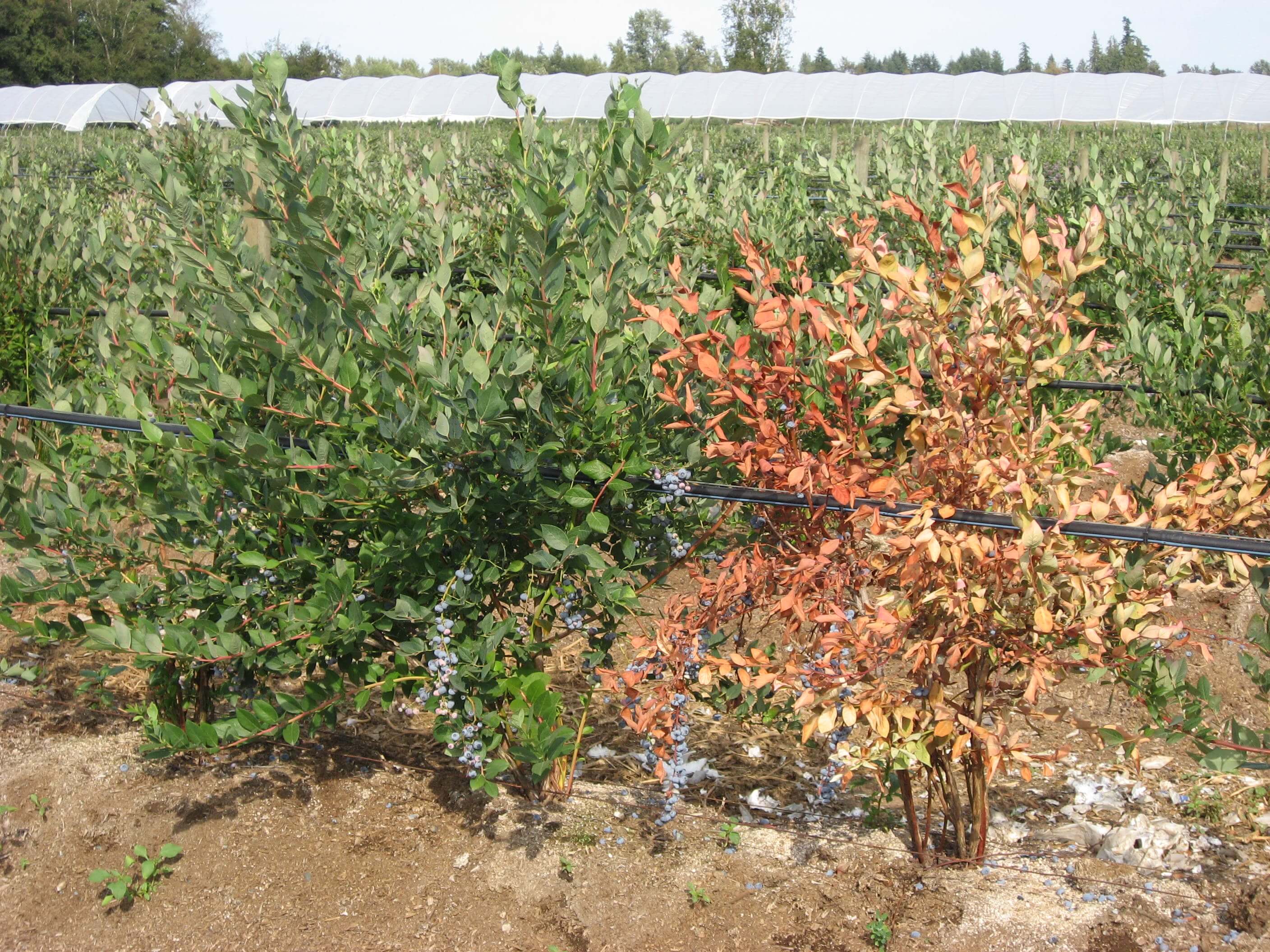
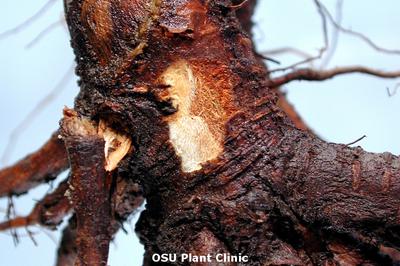
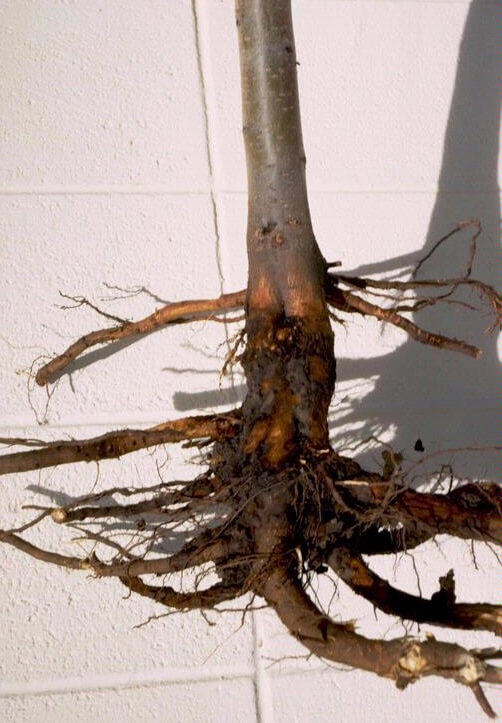
Root or crown rot caused by Phytophthora cinnamomi in blueberry causes a series of symptoms that significantly affect the health and productivity of the plants. Damage begins at the roots and crown, gradually spreading to other parts of the plant.
- Wilting of leaves and shoots, especially in hot climates.
- Discoloration and necrosis of the roots, turning brown or black.
- Reduction in plant vigor, with slow and weakened growth.
- Premature defoliation, leaving plants naked and vulnerable.
- Collapse and death of individual branches, progressing towards total death of the plant.
- Appearance of dark, watery lesions at the base of the stem.
- Reduced and lower quality fruit production.


TEMPERATURE AND HUMIDITY
15°C - 30°C
70% - 90%

TRANSMISSION ROUTES
Irrigation water, contaminated soil, agricultural tools, infected plant material, machinery movement, surface water flow
Do you want to remove this disease? Choose how you want to treat it.

TREATMENTS
Chemical treatments
• POTASSIUM PHOSPHONATES 51% (Exp. as phosphorous acid) [SL] P/V
• COPPER OXYCHLORIDE 35% (exp. in Cu) [WG] P/P
• CUPROCALCIC SULFATE 12.4% (EXPR. IN CU) [SC] P/V
Authorized treatments in organic farming
• COPPER OXYCHLORIDE 35% (exp. in Cu) [WG] P/P
• CUPROCALCIC SULFATE 12.4% (EXPR. IN CU) [SC] P/V
Biological control
• BACILLUS AMYLOLIQUEFACIENS subsp. plantarum (strain D747) 5% [SC] P/V
• TRICHODERMA ASPERELLUM (STRAIN ICC012) 2% + TRICHODERMA GAMSII (STRAIN ICC080) 2% (3 X 10E7 CFU/G (SUM OF BOTH MICROORGANISMS)) [WP] P/P
• TRICHODERMA ASPERELLUM (STRAIN T25) (1X10E8 CFU/G) 0.5% + TRICHODERMA ATROVIRIDE (STRAIN T11) (1X10E8 CFU/G) 0.5% [WG] P/P
Recommendations
- Implement adequate soil drainage to avoid flooding that favors the spread of the pathogen.
- Use blueberry varieties resistant or tolerant to Phytophthora cinnamomi.
- Maintain hygiene practices in the field, avoiding the introduction of infected soil or plants.
- Apply specific fungicides preventively in periods of high risk of infection.
- Carry out periodic soil analyzes to detect the presence of the pathogen and take appropriate measures.
- Avoid excessive watering and adjust irrigation systems to minimize moisture in the root zone.
- Practice crop rotation with non-susceptible species to reduce the pathogen load in the soil.
- Use mulches and plant covers that improve soil structure and promote drainage.
- Carry out constant monitoring of plants to detect early symptoms and act immediately.
- Encourage the use of organic amendments that improve the general health of the soil and the resistance of the plants.





*The recommended treatments are recommendations based on the authorities' databases and do not replace in any way the guidelines established by the legislation of each country.
*Products shown are recommendations and not our own products. As Amazon Associates, we earn revenue from purchases of recommended products.

TREATMENTS
Homemade remedies
There are no home treatments
Natural allies
Chemical treatments
There are no treatments for this disease. Treatments are directed at the insect vectors that transmit it. See insect treatments.

RECOMMENDATIONS

REPELLENT PLANTS
EFFECTIVE PRODUCTS TO ELIMINATE THIS DISEASE
*The recommended treatments are recommendations based on the authorities' databases and do not replace in any way the guidelines established by the legislation of each country.
*Products shown are recommendations and not our own products. As Amazon Associates, we earn revenue from purchases of recommended products.



Explore more tools
Services
Contact
Legal
©2026 by ZERIMAR S.A.R.L. All rights reserved