


Symptoms, treatments, and recommendations for treating San Jose louse
St. Joseph'S Louse
Quadraspidiotus Perniciosus
Pathogen:
Type:
Insect
Risk:
HIGH
Frutales de pepita
Escamas

WHO CAUSES IT?
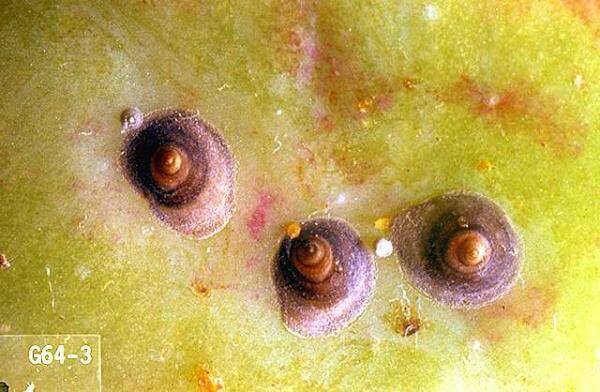
Quadraspidiotus perniciosus, known as the St. Joseph's louse, is a scale insect that affects a wide variety of plants, including pome fruit trees. This pathogen overwinters as larvae under scales on the bark of trees. In spring, when temperatures increase, the larvae become active and begin feeding, reaching maturity in approximately 4 to 6 weeks. Mature females produce large quantities of eggs under their scales, which hatch into mobile nymphs called "crawlers." These nymphs disperse throughout the tree and attach themselves to branches, leaves and fruits, where they develop new protective scales and continue feeding. The cycle repeats several times during the growing season, allowing San Jose louse populations to increase rapidly under favorable conditions.

SYMPTOMS
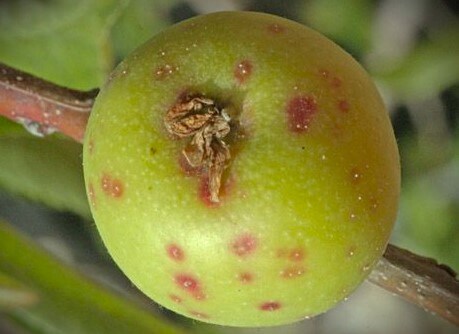
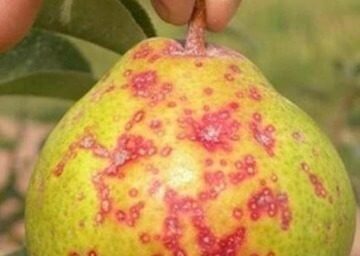
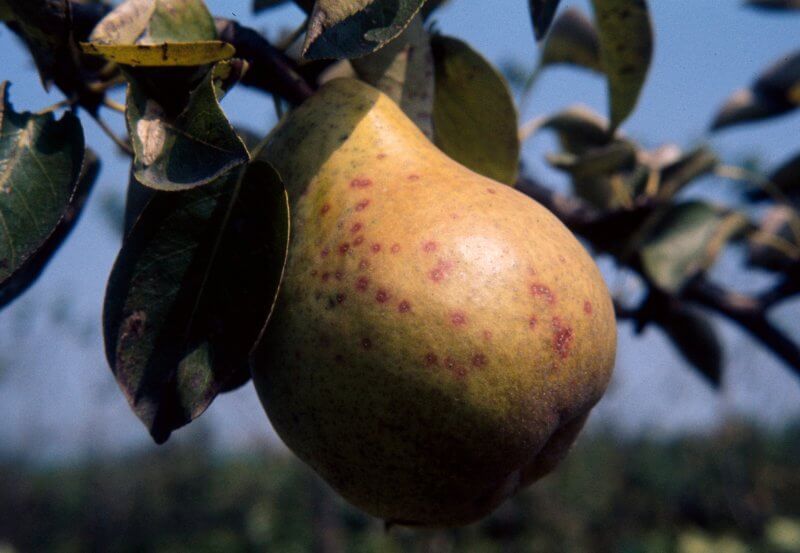
In pome fruit trees, the San José louse causes a disease that weakens the plants and significantly reduces fruit production. Insects feed by sucking sap, which causes direct damage to plant tissues and can lead to the death of branches and fruits. Additionally, San José louse infestation can cause fruits to become deformed and develop Taches, decreasing their commercial value.
- Red patches on the bark, branches and fruits.
- Yellowing and premature leaf fall.
- Regressive death of branches and young shoots.
- Deformation and premature fall of the fruits.
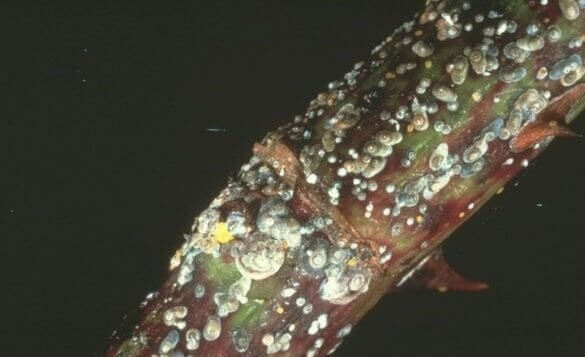
- Presence of small gray or black scales on the surface of the plants.
- General weakening of the tree, which reduces productivity.
- Increased susceptibility to other diseases and pests.


TEMPERATURE AND HUMIDITY
20°C - 30°C
60% - 80%

TRANSMISSION ROUTES
Wind, Contaminated tools, Movement of infested plants, Direct contact between plants
Do you want to remove this disease? Choose how you want to treat it.

TREATMENTS
Chemical treatments
• RAPE OIL 1.53% [AL] P/V
• RAPE OIL 848.24 g/l [EC] P/V
• PARAFFIN OIL (CAS [8042-47-5]) 83% [EC] P/V
• DELTAMETHRIN 2.5% [EC] P/V
• PYRIPROXIFEN 10% [EC] P/V
• Quadraspidiotus perniciosus (Pheromone)
• POTASSIUM SALTS OF FATTY ACIDS C14-C20 48% [EW] P/V
Authorized treatments in organic farming
• RAPE OIL 1.53% [AL] P/V
• RAPE OIL 848.24 g/l [EC] P/V
• PARAFFIN OIL (CAS [8042-47-5]) 83% [EC] P/V
• Quadraspidiotus perniciosus (Pheromone)
• POTASSIUM SALTS OF FATTY ACIDS C14-C20 48% [EW] P/V
Biological control
• APHYTIS MELINUS (Parasitoid and predatory insects)
Recommendations
- Carry out regular inspections of trees to detect early the presence of San José louse.
- Implement proper pruning practices to remove infested branches and improve air circulation.
- Use horticultural oils during the dormant period to suffocate wintering larvae.
- Introduce and encourage natural enemies such as parasitoid wasps and ladybugs.
- Apply treatments with specific insecticides at the appropriate times, preferably during the crawler stages to maximize effectiveness.
- Maintain good overall tree health through proper fertilization and irrigation.
- Rotate the use of insecticides with different modes of action to prevent the development of resistance.
- Avoid moving infested plants and disinfect pruning tools to reduce spread.





*The recommended treatments are recommendations based on the authorities' databases and do not replace in any way the guidelines established by the legislation of each country.
*Products shown are recommendations and not our own products. As Amazon Associates, we earn revenue from purchases of recommended products.

TREATMENTS
Homemade remedies
There are no home treatments
Natural allies
Chemical treatments
There are no treatments for this disease. Treatments are directed at the insect vectors that transmit it. See insect treatments.

RECOMMENDATIONS

REPELLENT PLANTS
EFFECTIVE PRODUCTS TO ELIMINATE THIS DISEASE
*The recommended treatments are recommendations based on the authorities' databases and do not replace in any way the guidelines established by the legislation of each country.
*Products shown are recommendations and not our own products. As Amazon Associates, we earn revenue from purchases of recommended products.



Explore more tools
Services
Contact
Legal
©2026 by ZERIMAR S.A.R.L. All rights reserved