


Symptoms, treatments, and recommendations for soft rot and blackleg of tubers
Tuber Soft Rot And Blackleg
Erwinia Carotovora / Pectobacterium Carotovorum
Pathogen:
Type:
Bacterium
Risk:
HIGH
Patata
Bacteriosis

WHO CAUSES IT?
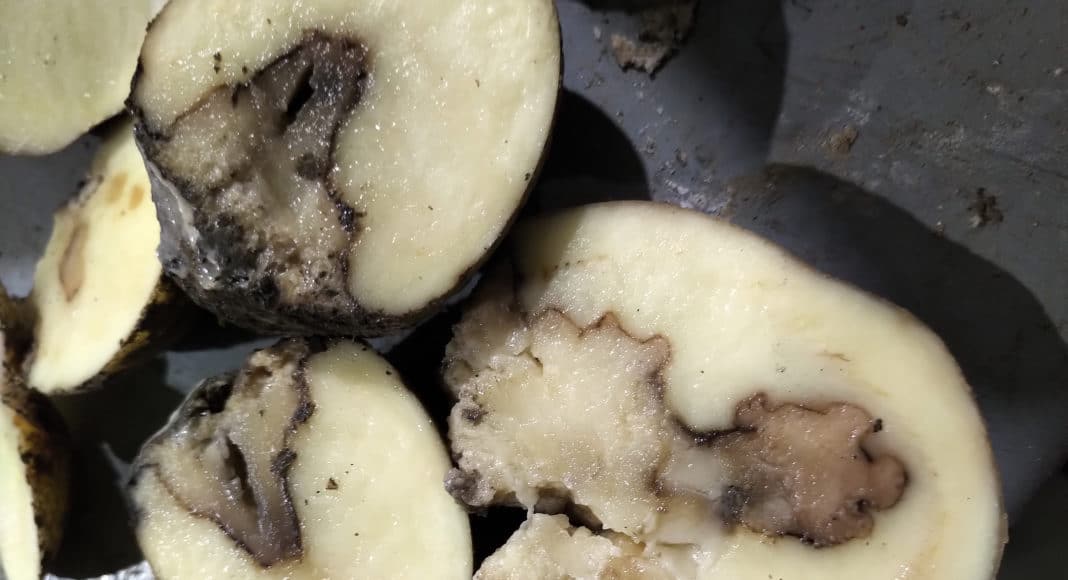
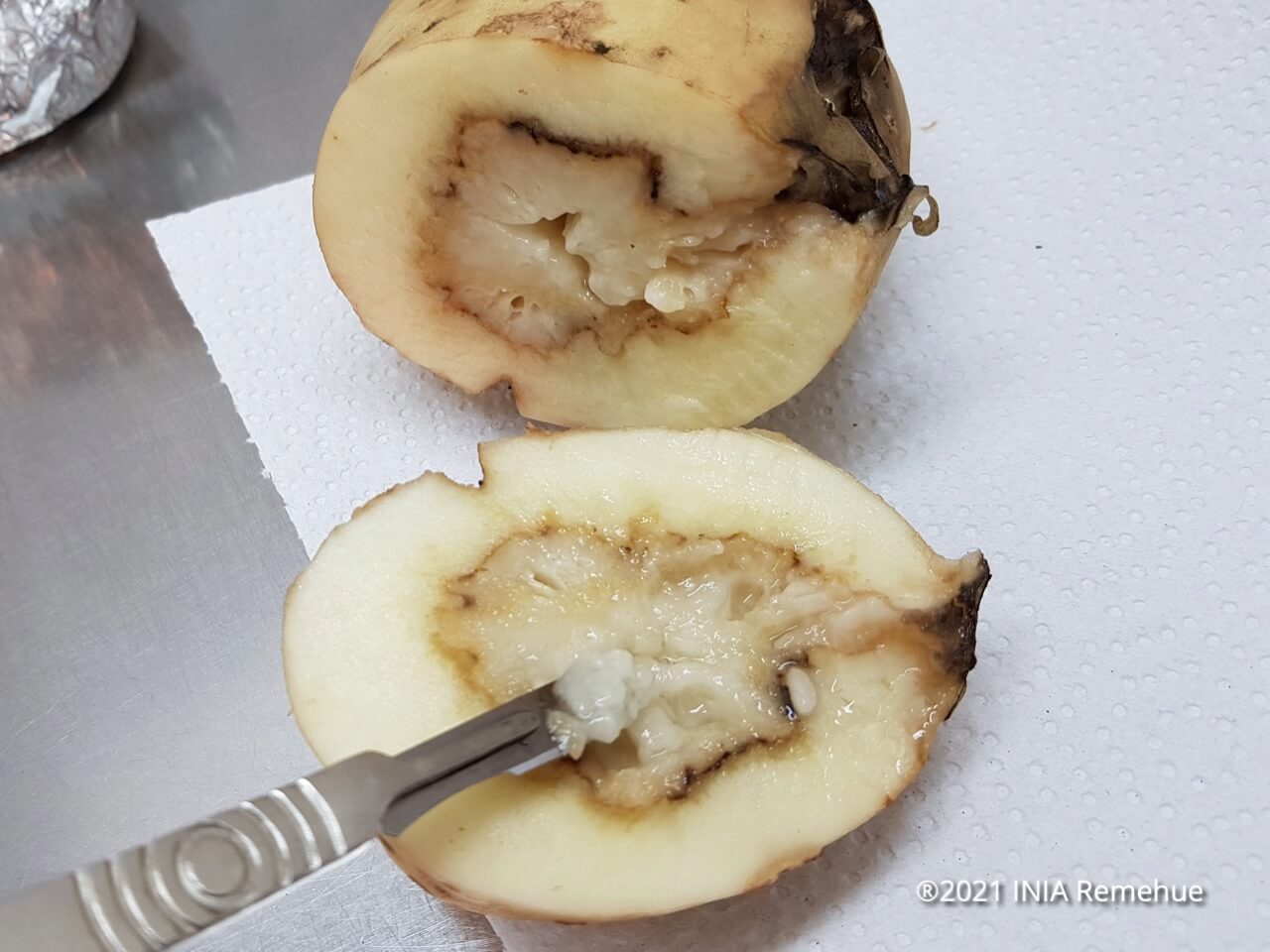
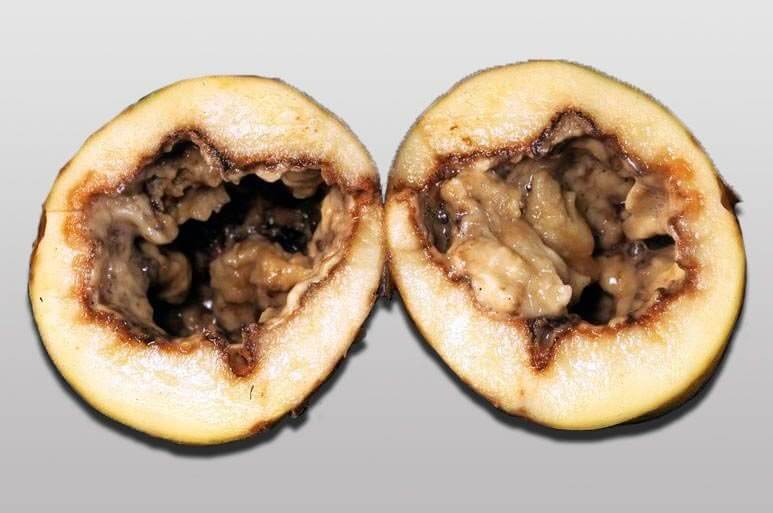
Erwinia carotovora is a phytopathogenic bacteria that causes the disease known as tuber soft rot and blackleg in potatoes. This bacteria thrives in humid, warm conditions and can survive in soil, irrigation water, and infected plant residues. The bacteria can enter the potato plant through wounds in the tubers or roots, or through natural entry points. Once inside the plant, it produces enzymes that break down the tissues, causing the tubers to rot.

SYMPTOMS
The disease caused by Erwinia carotovora in potatoes can produce symptoms in different parts of the plant. In tubers, infection can cause soft rot and an unpleasant odor. In the aerial parts of the plant, it can cause the appearance of blackleg, which is characterized by the darkening of the base of the stem and the wilting of the leaves.
• Soft rot of tubers with unpleasant odor.
• Darkening of the base of the stem (black foot).
• Withering of leaves.
• Widespread damage to plants and tubers, reduction in crop quality.


TEMPERATURE AND HUMIDITY
15°C - 30°C
70% - 90%

TRANSMISSION ROUTES
Contaminated soil, contaminated irrigation water, direct contact with infected plants or tubers, contaminated growing tools.
Do you want to remove this disease? Choose how you want to treat it.

TREATMENTS
Chemical treatments
• CUPROCALCIC SULFATE 12.4% (EXPR. IN CU) [SC] P/V
Authorized treatments in organic farming
• CUPROCALCIC SULFATE 12.4% (EXPR. IN CU) [SC] P/V
Biological control
-
Recommendations
• Use potato varieties resistant to the bacteria.
• Avoid injuries to tubers and roots during harvesting and handling.
• Control humidity in the field and storage to reduce the spread of the bacteria.
• Apply specific bactericidal treatments according to expert recommendations.
• Maintain good hygiene in cultivation tools to prevent the spread of bacteria.
• Regularly monitor cultures for early signs of infection.





*The recommended treatments are recommendations based on the authorities' databases and do not replace in any way the guidelines established by the legislation of each country.
*Products shown are recommendations and not our own products. As Amazon Associates, we earn revenue from purchases of recommended products.

TREATMENTS
Homemade remedies
There are no home treatments
Natural allies
Chemical treatments
There are no treatments for this disease. Treatments are directed at the insect vectors that transmit it. See insect treatments.

RECOMMENDATIONS

REPELLENT PLANTS
EFFECTIVE PRODUCTS TO ELIMINATE THIS DISEASE
*The recommended treatments are recommendations based on the authorities' databases and do not replace in any way the guidelines established by the legislation of each country.
*Products shown are recommendations and not our own products. As Amazon Associates, we earn revenue from purchases of recommended products.



Explore more tools
Services
Contact
Legal
©2026 by ZERIMAR S.A.R.L. All rights reserved