


Symptoms, treatments and recommendations for treating internal rot
Internal Rot
Monosporium Sp., Phoma Sp., Sporotrichum Sp., Etc...
Pathogen:
Type:
Fungus
Risk:
HIGH
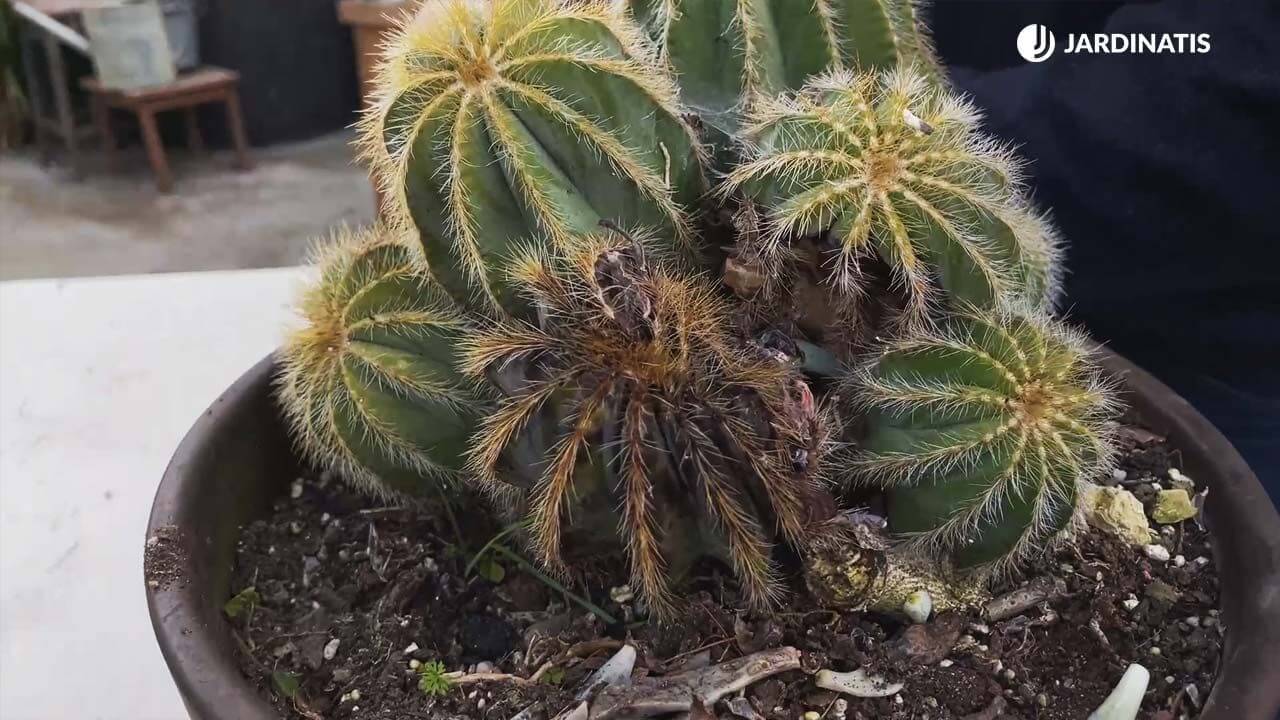
Cactus
Micosis/Hongos


WHO CAUSES IT?
Internal rot in cacti is caused by a variety of fungi, including Monosporium, Phoma and Sporotrichum. These fungi are usually present in the soil and in plant remains, where they develop in conditions of high humidity and moderate temperatures. Monosporium is a fungus that spreads by asexual spores that are released and carried by wind or water. Phoma, another fungus involved, produces spores in structures called pycnidia, which form in dead or decaying tissues, and are released into the environment when these tissues break down. Sporotrichum, for its part, spreads through conidia that germinate on moist surfaces, penetrating plants through wounds or weakened areas. Once inside the cactus, these fungi colonize the internal tissues, decomposing them and causing rot. Fungi feed on plant nutrients, developing and spreading rapidly under favorable conditions.

SYMPTOMS
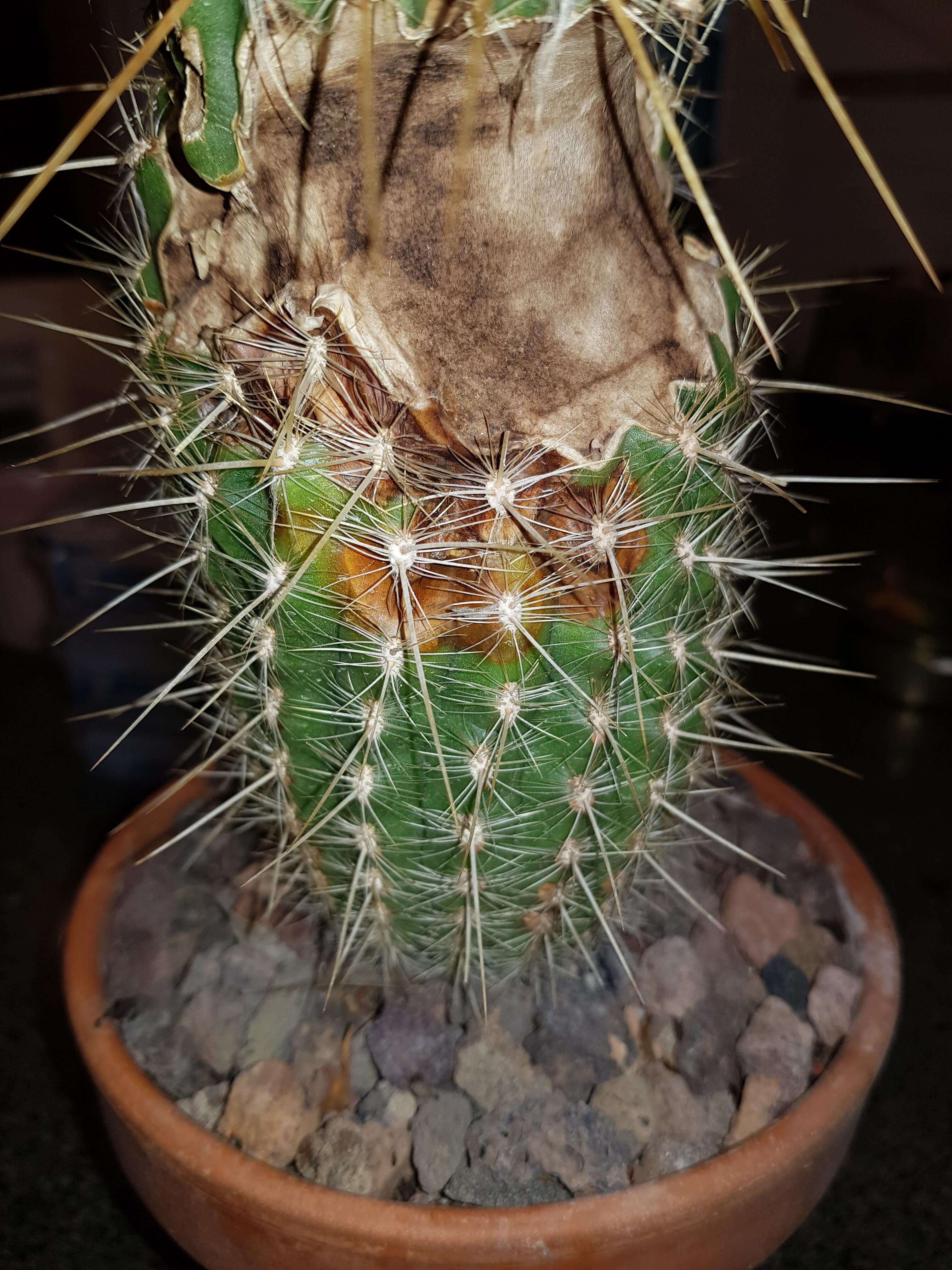
The internal rot that these fungi cause in the cactus can be devastating, affecting its health and vitality. Infected cacti show signs of decline, and the disease can progress rapidly if not detected and treated early. The infection usually begins in the roots or at the base of the cactus, where the fungi find optimal conditions for their development.
- Discoloration and softening of internal tissues.
- Appearance of brown or black Taches at the base of the cactus.
- Bad smell due to the decomposition of tissues.
- Reduction in the growth and vigor of the cactus.
- Collapse of the affected structures.
- Exudation of dark and viscous liquids.
- Death of the roots, preventing the absorption of water and nutrients.


TEMPERATURE AND HUMIDITY
15°C a 25°C
70% a 90%

TRANSMISSION ROUTES
Irrigation water, Contaminated soil, Infected tools, Infected plant material, Wind, Decomposing plant remains
Do you want to remove this disease? Choose how you want to treat it.

TREATMENTS
Chemical treatments
• ORANGE OIL 6% [SL] P/V
• AZOXISTROBIN 25% [SC] P/V
• SULFUR 80% [SC] P/V
• SULFUR 80% [WG] P/P
• SULFUR 80% [WP] P/P
• DIFENOCONAZOLE 0.0167% [AL] P/V
• DIFENOCONAZOLE 1.67% [EC] P/V
• CUPRIC HYDROXIDE 25% (EXPR. IN CU) [WG] P/P
• CUPRIC HYDROXIDE 50% (EXPR. IN CU) [WP] P/P
• COPPER OXYCHLORIDE 14% (exp. in Cu) + CUPRIC HYDROXIDE 14% (exp. in Cu) [WG] P/P
• COPPER OXYCHLORIDE 30% (EXPR. IN CU) [WP] P/P
• COPPER OXYCHLORIDE 35% (exp. in Cu) [WG] P/P
• COPPER OXYCHLORIDE 35% (EXPR. IN CU) [WG] P/P
• COPPER OXYCHLORIDE 38% (EXPR. IN CU) [SC] P/V
• COPPER OXYCHLORIDE 50% (EXPR. IN CU) [WP] P/P
• COPPER OXYCHLORIDE 52% (EXPR. IN CU) [SC] P/V
• CUPROUS OXIDE 50% (EXPR. IN CU) [WP] P/P
• PIRACLOSTROBIN 6.7% + BOSCALIDE 26.7% ( ) [WG] P/P
• PIRACLOSTROBIN 6.7% + BOSCALIDE 26.7% (I) [WG] P/P
• CUPROCALCIC SULFATE 20% (EXPR. IN CU) [WG] P/P
• CUPROCALCIC SULFATE 20% (EXPR. IN CU) [WP] P/P
• TRIBASIC COPPER SULFATE 19% (EXPR. IN CU) [SC] P/V
• TETRACONAZOLE 10% [EC] P/V
• TETRACONAZOLE 12.5% [ME] P/V
• TETRACONAZOLE 4% [ME] P/V
Authorized treatments in organic farming
• ORANGE OIL 6% [SL] P/V
• SULFUR 80% [SC] P/V
• SULFUR 80% [WG] P/P
• SULFUR 80% [WP] P/P
• CUPRIC HYDROXIDE 25% (EXPR. IN CU) [WG] P/P
• CUPRIC HYDROXIDE 50% (EXPR. IN CU) [WP] P/P
• COPPER OXYCHLORIDE 14% (exp. in Cu) + CUPRIC HYDROXIDE 14% (exp. in Cu) [WG] P/P
• COPPER OXYCHLORIDE 30% (EXPR. IN CU) [WP] P/P
• COPPER OXYCHLORIDE 35% (exp. in Cu) [WG] P/P
• COPPER OXYCHLORIDE 35% (EXPR. IN CU) [WG] P/P
• COPPER OXYCHLORIDE 38% (EXPR. IN CU) [SC] P/V
• COPPER OXYCHLORIDE 50% (EXPR. IN CU) [WP] P/P
• COPPER OXYCHLORIDE 52% (EXPR. IN CU) [SC] P/V
• CUPROUS OXIDE 50% (EXPR. IN CU) [WP] P/P
• CUPROCALCIC SULFATE 20% (EXPR. IN CU) [WG] P/P
• CUPROCALCIC SULFATE 20% (EXPR. IN CU) [WP] P/P
• TRIBASIC COPPER SULFATE 19% (EXPR. IN CU) [SC] P/V
Biological control
• BACILLUS AMYLOLIQUEFACIENS subsp. plantarum (strain D747) 5% [SC] P/V
• BACILLUS SUBTILIS (STRAIN QST 713) 1.34% [SC] P/V
Recommendations
- Avoid excess watering to reduce humidity that favors the development of fungi.
- Improve soil drainage to avoid water accumulation.
- Use well-aerated and sterile substrates for planting cacti.
- Disinfect tools and equipment before using them in different plants.
- Regularly inspect cacti and remove affected parts immediately.
- Apply specific fungicides recommended for soil fungi preventively.
- Promote good air circulation around plants to reduce humidity.
- Avoid planting cacti in soils with a history of infections by these fungi.
- Practice crop rotation to reduce pathogen pressure on the soil.
- Use varieties of cacti that are less susceptible to these infections.





*The recommended treatments are recommendations based on the authorities' databases and do not replace in any way the guidelines established by the legislation of each country.
*Products shown are recommendations and not our own products. As Amazon Associates, we earn revenue from purchases of recommended products.

TREATMENTS
Homemade remedies
There are no home treatments
Natural allies
Chemical treatments
There are no treatments for this disease. Treatments are directed at the insect vectors that transmit it. See insect treatments.

RECOMMENDATIONS

REPELLENT PLANTS
EFFECTIVE PRODUCTS TO ELIMINATE THIS DISEASE
*The recommended treatments are recommendations based on the authorities' databases and do not replace in any way the guidelines established by the legislation of each country.
*Products shown are recommendations and not our own products. As Amazon Associates, we earn revenue from purchases of recommended products.



Explore more tools
Services
Contact
Legal
©2026 by ZERIMAR S.A.R.L. All rights reserved