

Black Rot
Lasiodiplodia Theobromae
Pathogen:
Type:
Fungus
Risk:
HIGH
Aguacate
Pudrición de raíz y tallo

WHO CAUSES IT?
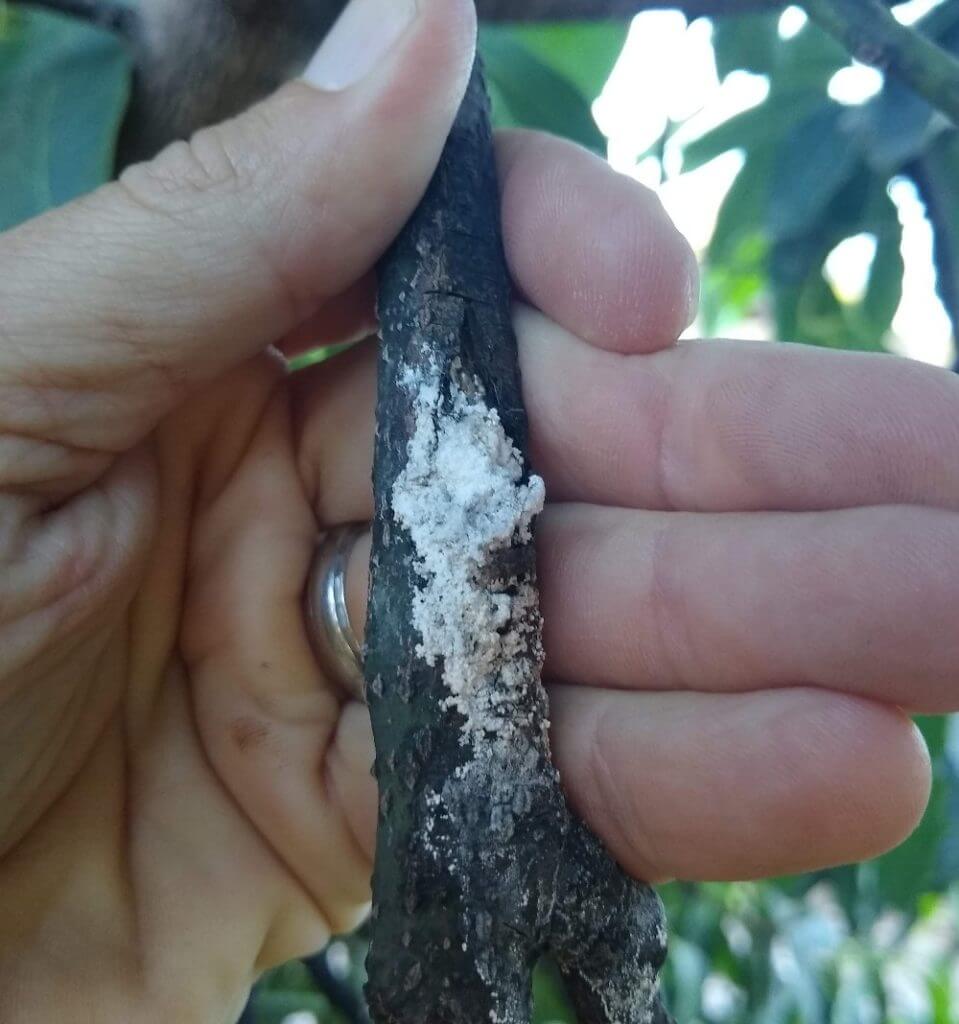
Lasiodiplodia theobromae is a phytopathogenic fungus that causes the disease known as black rot in various plants, including avocado. This fungus can survive and persist in crop debris, soil, and infected plant material. During its life cycle, Lasiodiplodia theobromae produces conidia (asexual spores) that are dispersed by wind, irrigation water and other media, infecting healthy plant tissues. In addition, it can form resistance structures, such as chlamydospores, that allow it to resist adverse conditions in the soil and spread to new host plants.
.png)
SYMPTOMS
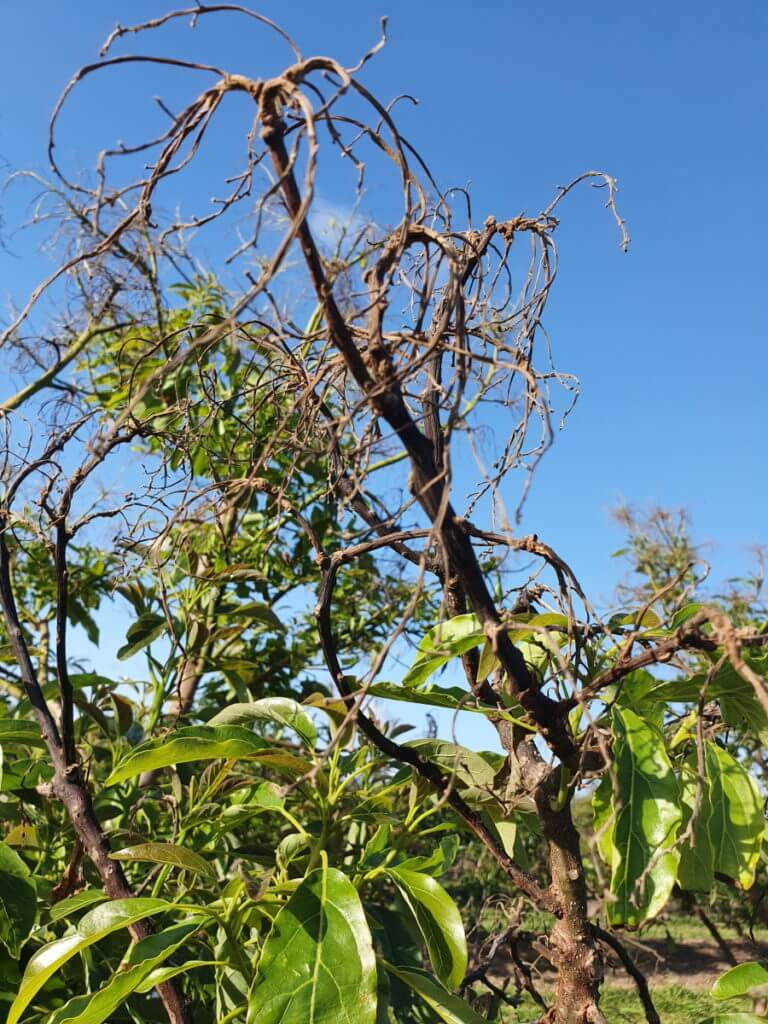
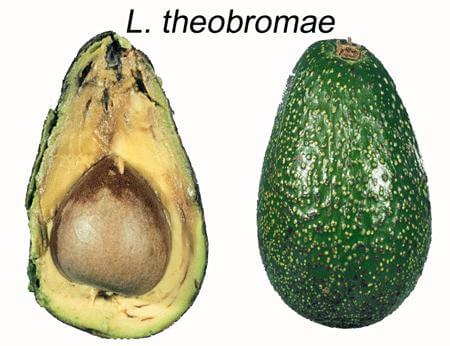
Black rot, caused by Lasiodiplodia theobromae, severely affects avocados. General symptoms include:
- Wilting and yellowing of leaves.
- Necrosis and decomposition of roots and plant tissues.
- Fruit rot, with dark and sunken Taches.
- Loss of vigor and premature death of the plant.



TEMPERATURE AND HUMIDITY
25°C - 30°C
70% - 80%

TRANSMISSION ROUTES
Contaminated irrigation water, infected crop remains, contaminated pruning tools, infected plant material
Do you want to remove this disease? Choose how you want to treat it.

TREATMENTS
Chemical treatments
• TEBUCONAZOLE 25% [WG] P/P
• CIPRODINIL 37.5% + FLUDIOXONIL 25% [WG] P/P
Authorized treatments in organic farming
-
Biological control
• BACILLUS AMYLOLIQUEFACIENS (strain AH2) (1x10E11 CFU/l) [SC] P/V
• BACILLUS SUBTILIS (strain IAB/BS03) (1 x 10E8 cfu/ml) 10 g/l [SL] P/V
• BACILLUS SUBTILIS (STRAIN QST 713) 1.34% [SC] P/V
Recommendations
- Maintain good soil health by rotating crops and removing plant residues.
- Use appropriate irrigation practices to avoid excess moisture in the soil.
- Disinfect work tools and equipment to prevent the spread of the fungus.
- Apply appropriate pruning techniques to promote air circulation and reduce humidity in the plant.
- Use preventive and curative fungicides according to the manufacturer's recommendations.
- Promote plant resistance through the selection of tolerant varieties and the use of integrated pest and disease management techniques.
Sponsored link
Sponsored link
Sponsored link


Sponsored link
Sponsored link
Sponsored link
Sponsored link


Sponsored link
Sponsored link
Effective against all types of fungi

Sponsored link
Sponsored link


Sponsored link
Sponsored link

Sponsored link
Sponsored link


Sponsored link
*The recommended treatments are recommendations based on the authorities' databases and do not replace in any way the guidelines established by the legislation of each country.
*Products shown are recommendations and not our own products. As Amazon Associates, we earn revenue from purchases of recommended products.

TREATMENTS
Homemade remedies
There are no home treatments
Natural allies
Chemical treatments
There are no treatments for this disease. Treatments are directed at the insect vectors that transmit it. See insect treatments.

RECOMMENDATIONS

REPELLENT PLANTS
EFFECTIVE PRODUCTS TO ELIMINATE THIS DISEASE
Sponsored link
Sponsored link
Sponsored link
Sponsored link
Sponsored link
Sponsored link
Sponsored link
Sponsored link
Sponsored link
Effective against all types of fungi
Sponsored link
Sponsored link
Sponsored link
Sponsored link
Sponsored link
Sponsored link
Sponsored link
*The recommended treatments are recommendations based on the authorities' databases and do not replace in any way the guidelines established by the legislation of each country.
*Products shown are recommendations and not our own products. As Amazon Associates, we earn revenue from purchases of recommended products.

Enjoy idMicrobe TOTALLY FREE, with no trial periods.


