


Symptoms, treatments and recommendations for treating bull
Little Bull
Stictocephala Bisonia
Pathogen:
Type:
Insect
Risk:
HIGH
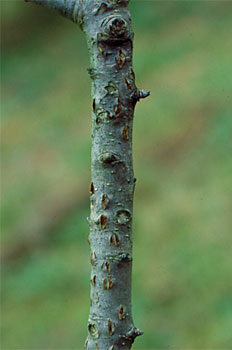
Frutales de pepita
Insectos

WHO CAUSES IT?
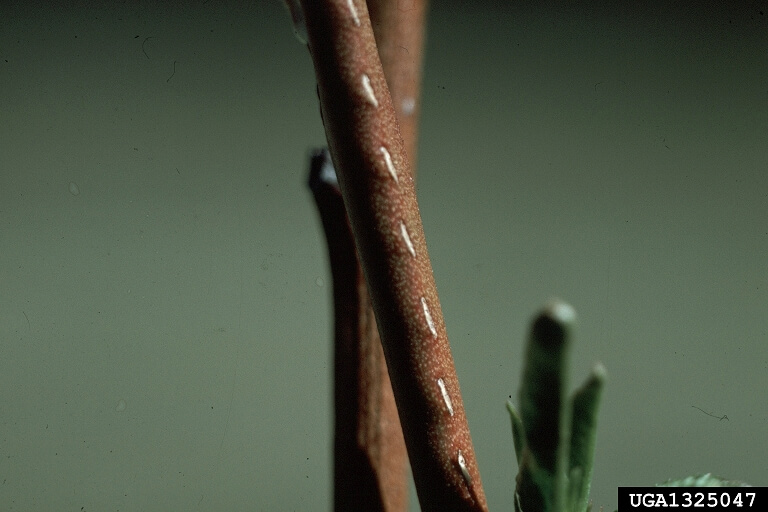
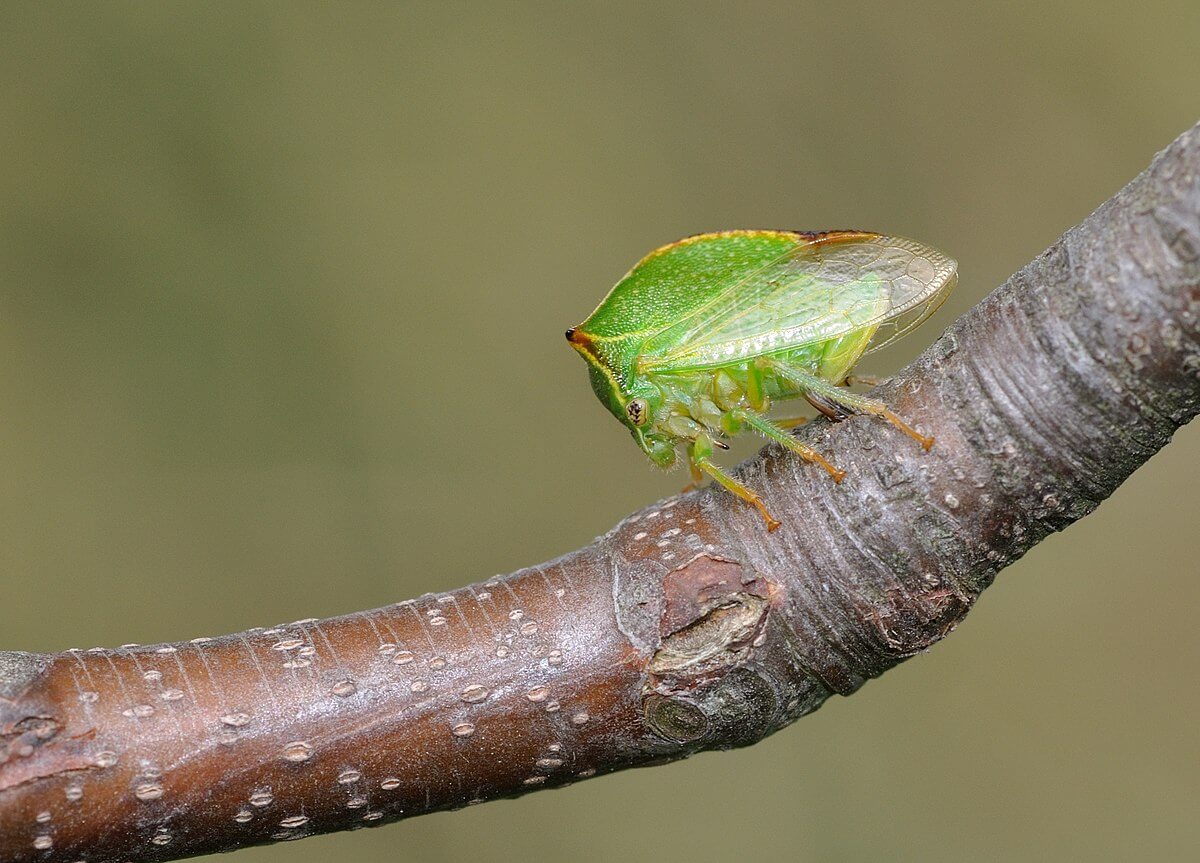
Stictocephala bisonia, commonly known as "torito," is an insect belonging to the family Membracidae. This insect has an egg, nymph and adult phase. Adult females lay their eggs in the tissue of young branches of pome fruit trees during spring. These eggs hatch into nymphs, which go through several molts before becoming adults. Nymphs and adults feed on plant sap, inserting their stylets into conducting vessels to extract nutrients. This feeding process causes the transmission of diseases and direct damage to plants. Adults have a characteristic helmet-shaped structure, which helps them camouflage themselves among the vegetation. The entire life cycle can vary depending on climatic conditions and food availability, with one generation per year in temperate climates.

SYMPTOMS
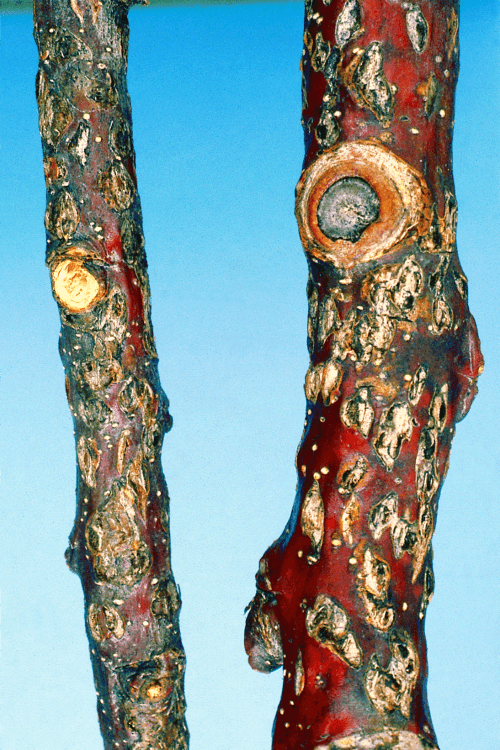
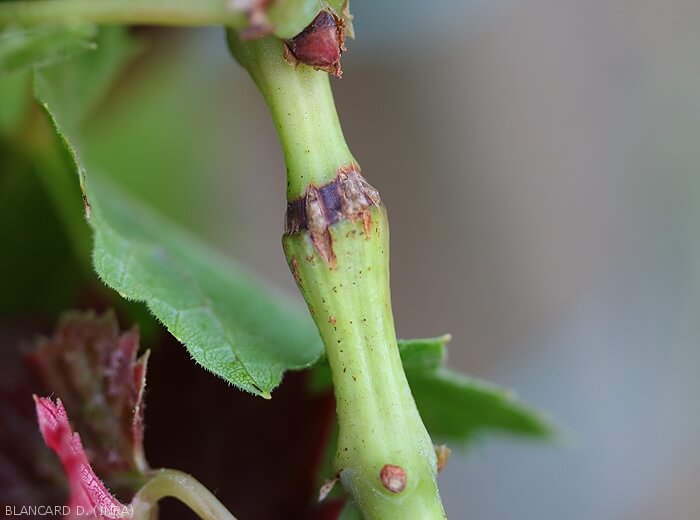
In pome fruit trees, Stictocephala bisonia causes the disease known as torito, mainly affecting young branches and causing general weakening of the plant.
- Deformation of young branches.
- Necrotic Taches at feeding sites.
- Loss of vigor and reduced growth.
- Yellowing and premature leaf fall.
- Loss of fruit production.
- Increased susceptibility to other diseases and pests.
- Visible presence of nymphs and adults on the affected branches.


TEMPERATURE AND HUMIDITY
20°C - 30°C
60% - 80%

TRANSMISSION ROUTES
Direct contact, Wind, Movement of infected plants, Contaminated tools
Do you want to remove this disease? Choose how you want to treat it.

TREATMENTS
Chemical treatments
• ORANGE OIL 60g/L [ME] P/S
• PYRIPROXIFEN 10% [EC] P/V
Authorized treatments in organic farming
• ORANGE OIL 60g/L [ME] P/S
Biological control
-
Recommendations
- Regularly monitor crops to detect the presence of nymphs and adults early.
- Carry out sanitary pruning to eliminate affected branches and destroy them properly.
- Use physical barriers such as nets to prevent insects from accessing trees.
- Apply specific insecticides preventively or when detecting the first symptoms of infestation.
- Promote biodiversity in cultivation to encourage the presence of natural predators of the bull.
- Maintain good hygiene in the garden, eliminating pruning remains and dead vegetation.
- Implement integrated pest management (IPM) practices that include crop rotation and diversification.
- Avoid excessive use of nitrogen fertilizers, which can attract insects.





*The recommended treatments are recommendations based on the authorities' databases and do not replace in any way the guidelines established by the legislation of each country.
*Products shown are recommendations and not our own products. As Amazon Associates, we earn revenue from purchases of recommended products.

TREATMENTS
Homemade remedies
There are no home treatments
Natural allies
Chemical treatments
There are no treatments for this disease. Treatments are directed at the insect vectors that transmit it. See insect treatments.

RECOMMENDATIONS

REPELLENT PLANTS
EFFECTIVE PRODUCTS TO ELIMINATE THIS DISEASE
*The recommended treatments are recommendations based on the authorities' databases and do not replace in any way the guidelines established by the legislation of each country.
*Products shown are recommendations and not our own products. As Amazon Associates, we earn revenue from purchases of recommended products.



Explore more tools
Services
Contact
Legal
©2026 by ZERIMAR S.A.R.L. All rights reserved