


Thrips in fruit: symptoms, prevention and treatment
Trips
Different species
Pathogen:
Type:
Insect
Risk:
HIGH
Frutos
Trips

WHO CAUSES IT?
Thrips are small insects belonging primarily to the order Thysanoptera, including species from the genera Frankliniella, Thrips, and Scirtothrips. Adults have an elongated, narrow body and narrow, fringed wings, while immature forms are wingless and smaller. Females lay eggs individually on plant tissues, partially inserting them into the epidermis with their ovipositor. After hatching, the larvae emerge and go through two active stages, feeding by scraping surface tissues and sucking out cell contents. They then enter transitional stages with very reduced feeding activity, usually in protected areas of the plant, the substrate, or plant debris. Finally, the adults emerge, colonizing new parts of the plant and moving rapidly between fruits and crops. Their high reproductive capacity, small size, and ability to develop several generations during the favorable period allow populations to increase rapidly, especially when temperatures are warm and vegetation is abundant.

SYMPTOMS
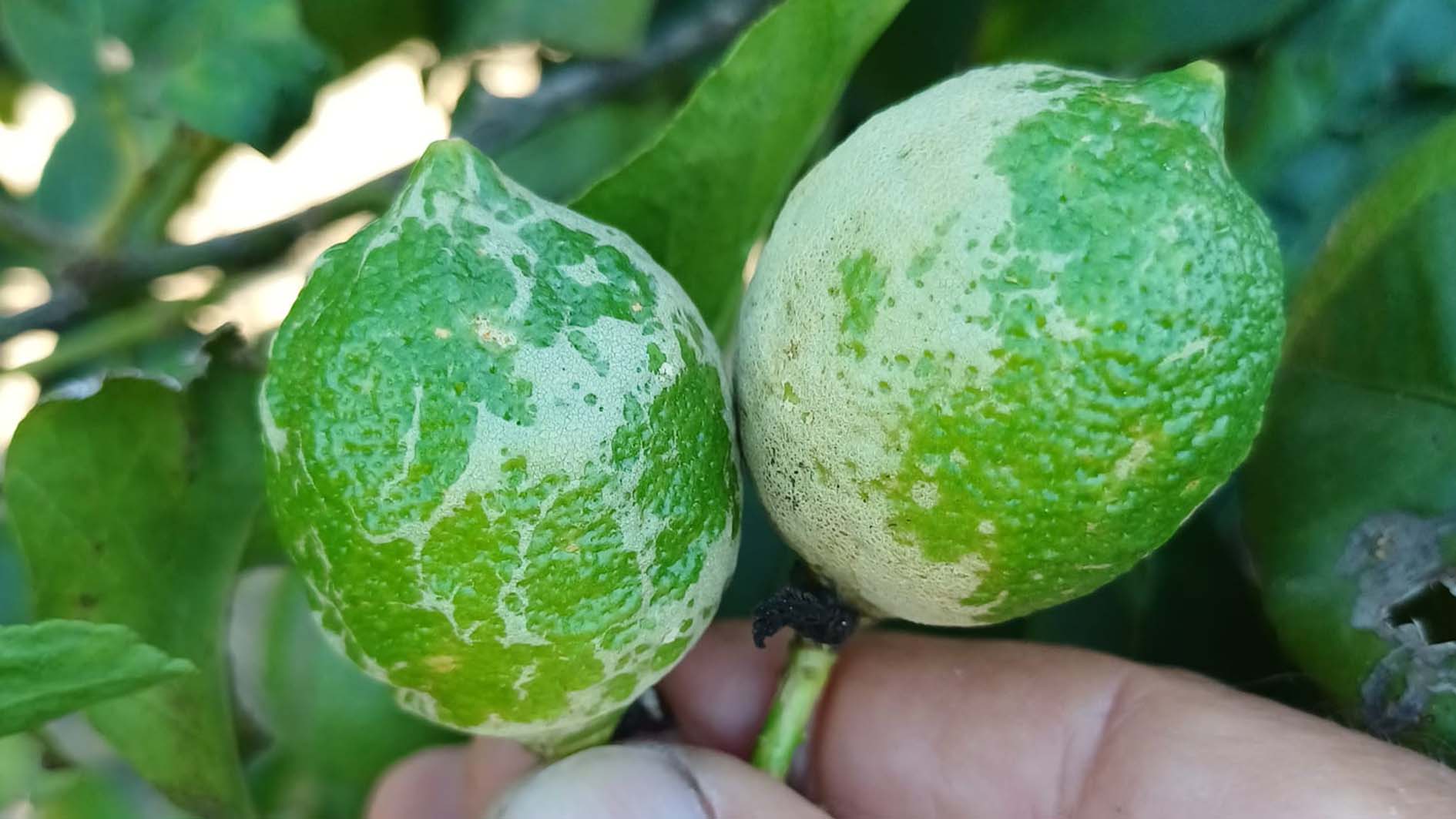
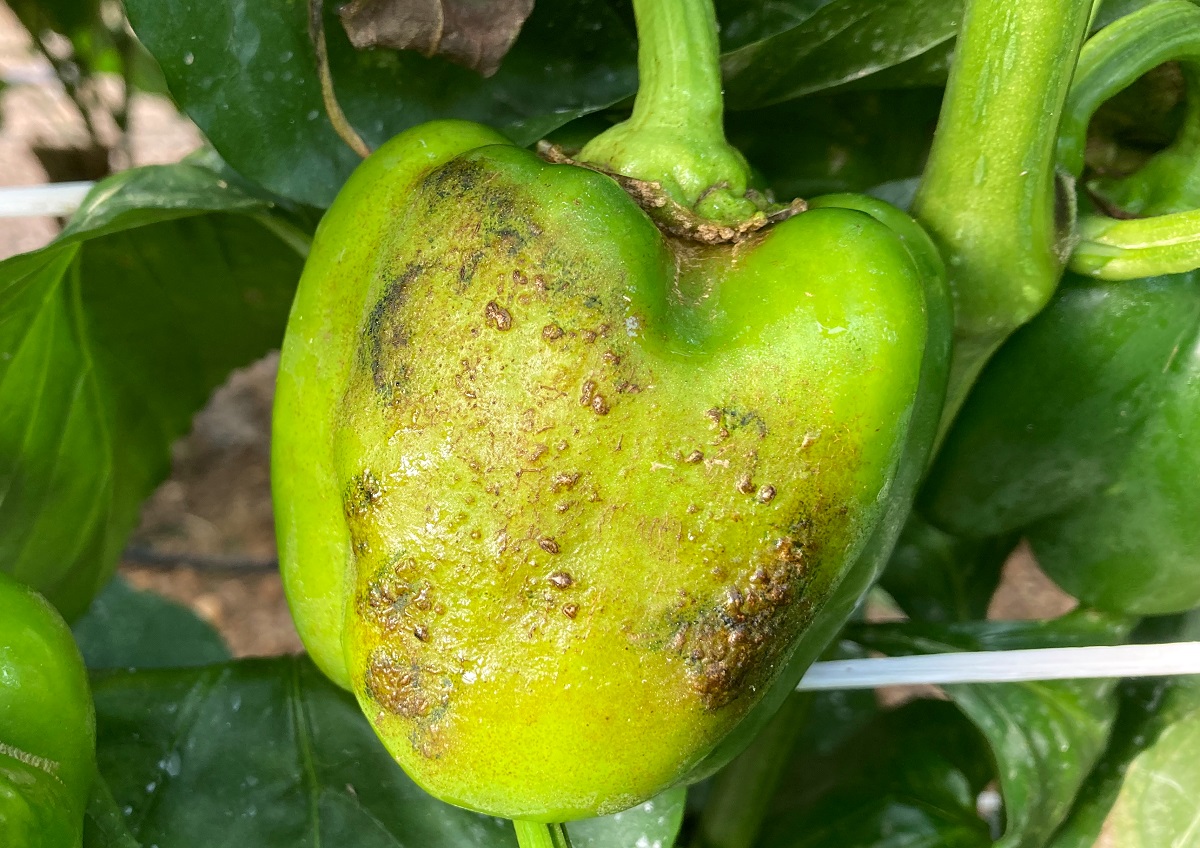
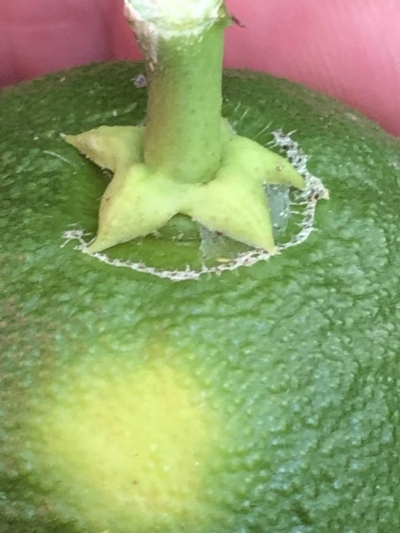
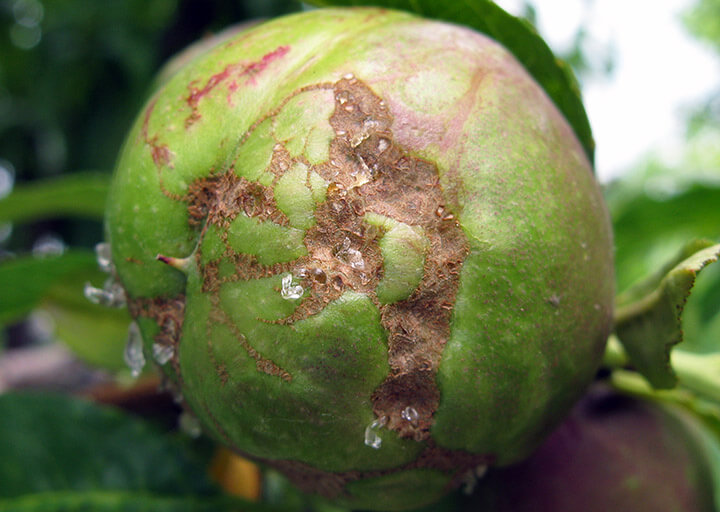
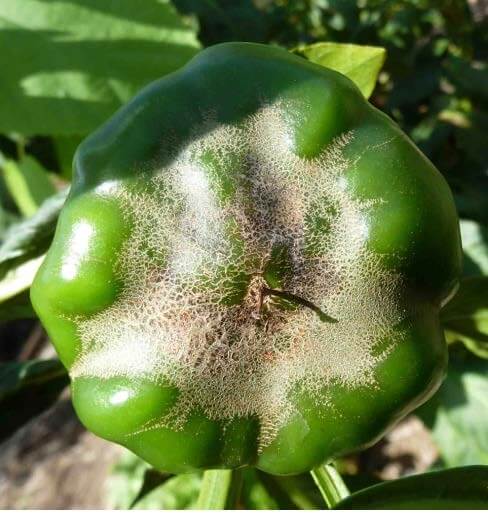
In fruit, thrips cause damage primarily through the feeding of larvae and adults on surface tissues. By scraping the epidermis and extracting cell contents, they cause lesions that can directly affect the fruit's commercial quality. Damage can occur during the early stages of development and subsequently remain as permanent scars as the fruit grows. The feeding punctures can also facilitate the entry of opportunistic microorganisms, and in certain thrips species, indirect damage can also occur through the transmission of plant viruses.
• Silvering, bronzing, or discoloration of the epidermis
• Grayish or whitish spots and discolored areas
• Superficial scars and corky lesions
• Deformities and alterations in fruit growth
• Punctures and small lesions caused by feeding
• Russeting or the formation of rough areas on the surface
• Cracks or deterioration of the epidermis in severe infestations
• Presence of larvae or adults on the fruit
• Small black spots corresponding to excrement
• Reduction in the aesthetic and commercial quality of the fruit
• Premature fruit drop in severe infestations


TEMPERATURE AND HUMIDITY
20–30 °C
60–90 %

TRANSMISSION ROUTES
Adult flight, dispersal between plants, movement between flowers and fruits, transport of infested plant material, transport of infested fruits, infested weeds, infested plant debris, contaminated tools and equipment
Do you want to remove this disease? Choose how you want to treat it.

TREATMENTS
Chemical treatments
• ABAMECTIN 0.0015% + PYRETHRINS 0.02% [AL] P/V
• RAPE OIL 1.53% [AL] P/V
• RAPE OIL 848.24 g/l [EC] P/V
• ORANGE OIL 6% [SL] P/V
• ORANGE OIL 60g/L [ME] P/S
• ACETAMIPRID 0.005% [AL] P/V
• AZADIRACTIN 1% (AS AZADIRACTIN A) [EC] P/V
• Azadirachtin 2.6% (AS AZADIRACTIN A) [EC] P/V
• CYPERMETHRIN 10% [EC] P/V
• CYPERMETHRIN 5% [EC] P/V
• CYPERMETHRIN 50% [EC] P/V
• DELTAMETHRIN 1.5% [EW] P/S
• DELTAMETHRIN 1.57% [SC] P/V
• DELTAMETHRIN 10% [EC] P/V
• DELTAMETHRIN 2.5% [EC] P/V
• DELTAMETHRIN 2.5% [EW] P/V
• FORMETANATE 50% [SP] P/P
• LAMBDA CYHALOTHRIN 0.0015% [ME] P/V
• LAMBDA CYHALOTHRIN 1.5% [CS] P/V
• LAMBDA CYHALOTHRIN 10% [CS] P/V
• LAMBDA CYHALOTHRIN 5% [EG] P/P
• PYRETHRINS 1.9% [EC] P/V
• PYRETHRINS 4.65% (as pyrethrum extract) [EC] P/V
• PYRETHRINS 4% (EXTR. OF PYRETHHRINE) [EC] P/V
• PYRETHRINS 5% [SC] P/V
• POTASSIUM SALTS OF FATTY ACIDS C14-C20 48% [EW] P/V
• POTASSIUM SALTS OF VEGETABLE FATTY ACIDS 13.04% [SL] P/V
• SPINETORAM 2.5% [SC] P/V
• SPINOSAD 12% [SC] P/V
• SPINOSAD 48% [SC] P/V
• TAU-FLUVALINATE 24% [EW] P/V
• ADHESIVE TRAP
• CHROMATIC TRAP
Authorized treatments in organic farming
• RAPE OIL 1.53% [AL] P/V
• RAPE OIL 848.24 g/l [EC] P/V
• ORANGE OIL 6% [SL] P/V
• ORANGE OIL 60g/L [ME] P/S
• AZADIRACTIN 1% (AS AZADIRACTIN A) [EC] P/V
• Azadirachtin 2.6% (AS AZADIRACTIN A) [EC] P/V
• LAMBDA CYHALOTHRIN 0.0015% [ME] P/V
• LAMBDA CYHALOTHRIN 1.5% [CS] P/V
• LAMBDA CYHALOTHRIN 10% [CS] P/V
• LAMBDA CYHALOTHRIN 5% [EG] P/P
• PYRETHRINS 1.9% [EC] P/V
• PYRETHRINS 4.65% (as pyrethrum extract) [EC] w/v
• Pyrethrins 4% (pyrethrum extract) [EC] w/v
• Pyrethrins 5% [SC] w/v
• Potassium salts of C14-C20 fatty acids 48% [EW] w/v
• Potassium salts of vegetable fatty acids 13.04% [SL] w/v
• Spinosad 12% [SC] w/v
• Spinosad 48% [SC] w/v
• Adhesive trap
• Chromatic trap
Biological control
• AMBLYDROMALUS LIMONICUS (Parasitoid and predatory mites)
• AMBLYSEIUS SWIRSKII (Parasitoid and predatory mites)
• BEAUVERIA BASSIANA (ATCC 74040 strain) 2.3% (2.3 x 10⁷ viable spores/mL) [OD] w/v
• BEAUVERIA BASSIANA PPRI 5339 strain 8% (8 x 10¹² CFU/L) [OD] w/w
• CHRYSOPERLA CARNEA (Parasitoid and predatory insects)
• HETERORHABDITIS BACTERIOPHORA (Parasitoid and predatory nematodes)
• MACROCHELES ROBUSTULUS (Parasitoid and predatory mites)
• MACROLOPHUS PYGMAEUS (Parasitoid and predatory insects)
• METARHIZIUM BRUNNEUM strain Ma 43 10.5% [OD] w/v
• Neoseiulus cucumeris (Parasitoid and predatory mites)
• Orius laevigatus (Parasitoid and predatory insects)
• Paecilomyces fumosoroseus (Strain FE 9901) 18% (2 x 10⁹ CFU/g) [WP] w/w
• Steinernema feltiae (Parasitoid and predatory nematodes)
• Transeius montdoriensis (Parasitoid and predatory mites)
Recommendations
• Regularly monitor flowers and fruit to detect adults and larvae in the early stages of infestation.
• Use sticky traps to monitor and detect populations.
• Remove plant debris and severely affected fruit that could serve as refuge.
• Control weeds that could act as refuge and a source of re-infestation.
• Avoid excessive nitrogen fertilization, which promotes very tender plant tissue.
• Maintain good ventilation and avoid conditions that are excessively favorable for the pest.
• Apply phytosanitary treatments only when the population level justifies intervention.
• Direct applications correctly towards flowers, shoots, and areas where thrips take refuge.
• Alternate active ingredients belonging to different IRAC groups.
• Avoid repeated applications of the same mode of action during consecutive generations.
• Remove fruit and plant parts with significant damage when feasible.





*The recommended treatments are recommendations based on the authorities' databases and do not replace in any way the guidelines established by the legislation of each country.
*Products shown are recommendations and not our own products. As Amazon Associates, we earn revenue from purchases of recommended products.

TREATMENTS
Homemade remedies
There are no home treatments
Natural allies
Chemical treatments
There are no treatments for this disease. Treatments are directed at the insect vectors that transmit it. See insect treatments.

RECOMMENDATIONS

REPELLENT PLANTS
EFFECTIVE PRODUCTS TO ELIMINATE THIS DISEASE
*The recommended treatments are recommendations based on the authorities' databases and do not replace in any way the guidelines established by the legislation of each country.
*Products shown are recommendations and not our own products. As Amazon Associates, we earn revenue from purchases of recommended products.



Explore more tools
Services
Contact
Legal
©2026 by ZERIMAR S.A.R.L. All rights reserved