


Symptoms, treatments, and recommendations for dealing with tomato bronze wilt virus
The Tomato Brown Wilt Virus
Tomato Spotted Wilt Virus (Tswv)
Pathogen:
Type:
Virus
Risk:
HIGH

Impatiens, alegría impatiens, alegría guineana
Virus

WHO CAUSES IT?
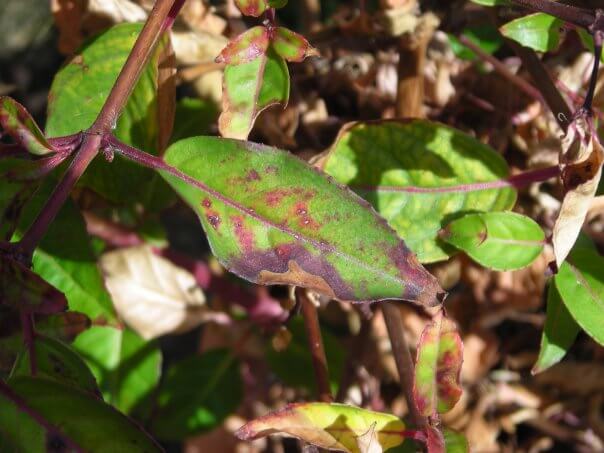
Tomato spotted wilt virus (TSWV), also known as tomato wilt virus, is a virus that affects a wide range of plants, including tomatoes, peppers, impatiens, and other plant species. . It is mainly transmitted by thrips, which act as vectors by feeding on infected plants and then spreading the virus to other healthy plants. This virus can cause significant damage to crops, affecting the yield and quality of products.

SYMPTOMS
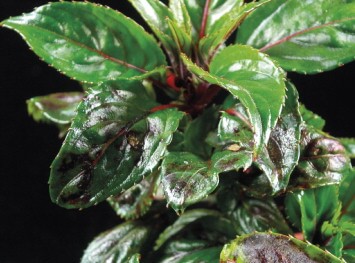
In impatiens, TSWV causes the disease known as spotted wilt, which presents a series of characteristic symptoms. Among the most common signs are tan or silver Taches on the leaves, necrosis on the edges of the leaves, and wilting and deformation of the plants. In addition, it is common to observe delayed growth and a decrease in flower production in infected plants.


TEMPERATURE AND HUMIDITY
20°C - 30°C
60% - 80%

TRANSMISSION ROUTES
Thrips, infected seeds, contaminated plant material, human manipulation, agricultural equipment, biological vectors.
Do you want to remove this disease? Choose how you want to treat it.

TREATMENTS
Chemical treatments
There are no effective treatments against viruses, the treatments are focused on combating the insect or vector carrying the virus (SEE AVAILABLE TREATMENTS AGAINST INSECTS)
Authorized treatments in organic farming
There are no effective treatments against viruses, the treatments are focused on combating the insect or vector carrying the virus (SEE AVAILABLE TREATMENTS AGAINST INSECTS)
Biological control
-
Recommendations
To prevent and control TSWV in impatiens crops, it is recommended to implement a series of integrated pest and disease management measures. This includes removing weeds that may serve as alternative hosts for thrips, installing physical barriers to protect plants, using thrips-specific insecticides, and using virus-resistant varieties when possible.





*The recommended treatments are recommendations based on the authorities' databases and do not replace in any way the guidelines established by the legislation of each country.
*Products shown are recommendations and not our own products. As Amazon Associates, we earn revenue from purchases of recommended products.

TREATMENTS
Homemade remedies
There are no home treatments
Natural allies
Chemical treatments
There are no treatments for this disease. Treatments are directed at the insect vectors that transmit it. See insect treatments.

RECOMMENDATIONS

REPELLENT PLANTS
EFFECTIVE PRODUCTS TO ELIMINATE THIS DISEASE
*The recommended treatments are recommendations based on the authorities' databases and do not replace in any way the guidelines established by the legislation of each country.
*Products shown are recommendations and not our own products. As Amazon Associates, we earn revenue from purchases of recommended products.



Explore more tools
Services
Contact
Legal
©2026 by ZERIMAR S.A.R.L. All rights reserved